
 English
 русский
 عربى
عربىWooden Door Factory Evolves with Tech and Trends
The global wooden door industry, valued at tens of billions of dollars, is experiencing a dynamic transformation as factories evolve from traditional workshops into sophisticated manufacturing hubs. Modern wooden door factories are now defined by their ability to merge timeless appeal with advanced technology, responding to a market driven by customization, sustainability, and performance. As consumer preferences and construction trends evolve, the successful wooden door factory must excel across three interconnected domains: strategic market positioning, relentless technological advancement, and agile adaptation to design trends.
What Are the Key Drivers Shaping the Global Market?
The market for wooden doors shows robust growth, with the global market for wooden doors projected to reach approximately $76 billion by 2032 and the interior segment alone forecast to grow to around $65 billion by 2034. This expansion is fueled by strong construction and renovation activities, especially in urbanizing Asia-Pacific markets. However, the modern wooden door factory must navigate significant challenges. The high cost of solid wood compared to alternatives and its susceptibility to environmental factors like moisture can limit adoption. Simultaneously, price volatility in raw timber presents a persistent challenge to cost control and stable operations. A primary market driver is the powerful consumer demand for customization, as doors are now seen as focal design elements rather than mere utilities, creating a substantial opportunity for factories capable of flexible, personalized production.
How Are Technological Innovations Reshaping Production?
To meet these market demands, pilot wooden door factories are implementing sweeping technological upgrades. The core of this revolution is automation and precision manufacturing. Robotic systems are increasingly used for material handling, assembly, and palletizing, which boosts output, ensures consistent quality, and addresses labor shortages. Advanced CNC machining centers allow for high-speed, precise fabrication of complex door components, directly enabling the detailed custom work consumers desire. Furthermore, the industry is adopting ""smart factory"" concepts. Innovative production lines now feature intelligent stacking units and automated storage systems that manage inventory and allow for non-stop, mixed-model production of unique door orders. A critical focus is also on efficiency and sustainability; high-precision machining lines are designed to drastically reduce material waste and consumption by small excessive machining allowances, lowering both costs and environmental impact.
Which Product Trends Are Defining the Future of Doors?
The output of the modern wooden door factory is evolving rapidly to align with contemporary lifestyles and aesthetics. Personalization is paramount, with trends leaning towards bold colors, oversized statement doors, and handcrafted artisanal accents that serve as unique home features. In terms of style, smallism remains dominant, fueling the rise of ""invisible"" or flush-mount doors that create seamless, uncluttered walls. Technologically, the product itself is becoming smarter. Integration is a key trend, with doors now expected to incorporate smart locks, biometric access, and connectivity to home automation systems for enhanced security and convenience. Finally, environmental consciousness is a major influence, pushing factories to prioritize sustainably sourced timber, recycled or engineered wood, and low-VOC finishes to meet the demand for eco-friendly building products.
Today's wooden door factory is an advanced manufacturing entity strategically positioned at the intersection of craft and innovation. By leveraging automation to enable customization, employing precision engineering to ensure sustainability, and continuously adapting its product lines to emerging design and technology trends, the modern factory is securing its vital role in the global building materials supply chain. Its success hinges not just on making doors, but on intelligently manufacturing the aesthetic, functional, and sustainable entryways that define modern living spaces.
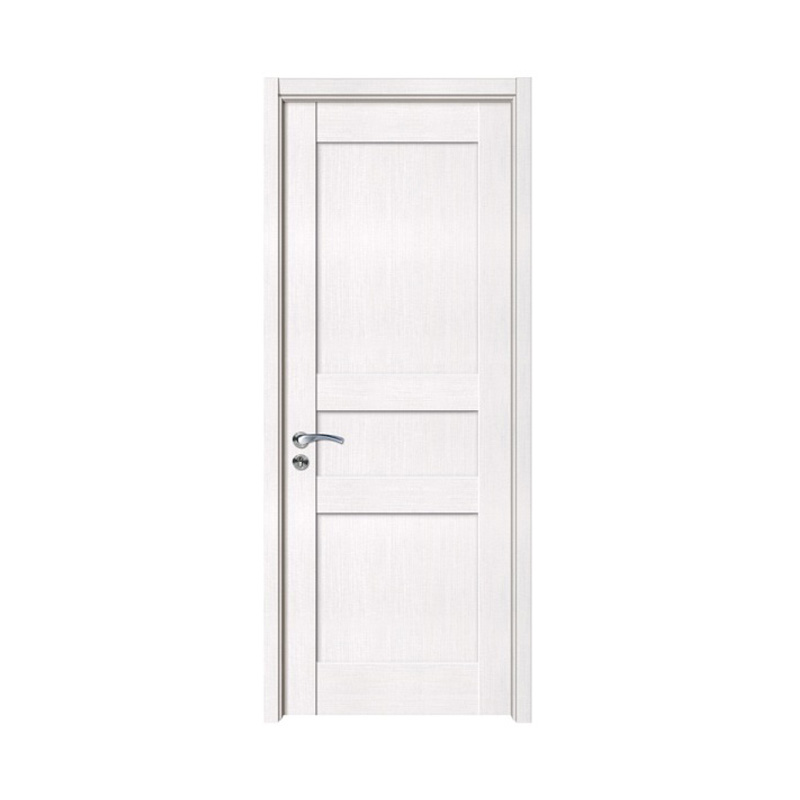
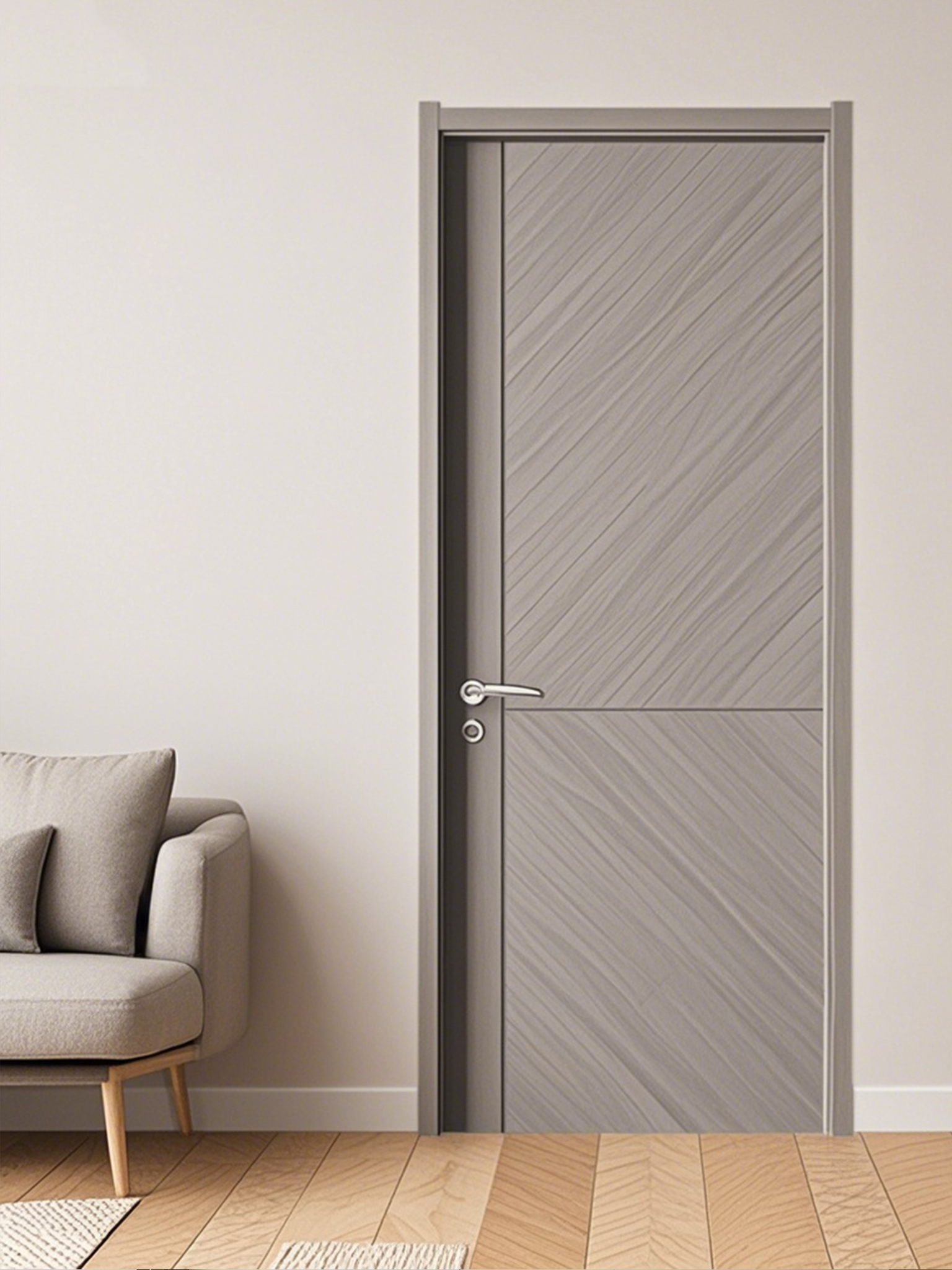
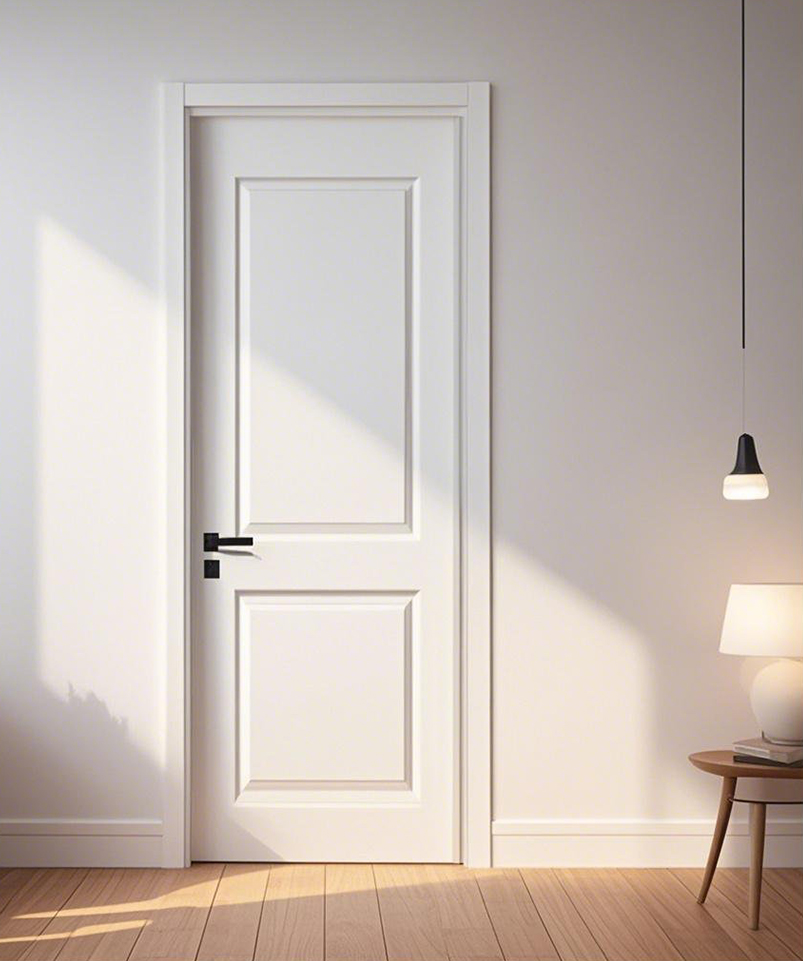
The Simple White PVC Panel Door from Zhejiang Optima Door Industry Co.,Ltd. offers a clean, modern, and practical solution for interior spaces. Its surface is made from durable PVC (polyvinyl chloride) panels, finished in a uniform bright white that resists stains, moisture, and fading, making it easy to clean and maintain. The door's core is lightweight yet sturdy, ensuring smooth and quiet operation. With its versatile, it is an outstanding choice for bathrooms, kitchens, closets, or office partitions, providing a cost-effective, durable, and aesthetically neutral option for residential and light commercial applications.




Copyright@ Zhejiang Optima Door Industry Co.,Ltd. All Rights Reserved.
PVC And WPC Doors Company
