
 English
 русский
 عربى
عربىMDF Door Factory Adapts to Global Market Trends
The global market for MDF (Medium-Density Fiberboard) doors is a dynamic segment of the building materials industry, characterized by steady demand driven by residential construction, renovation activity, and the material's inherent advantages. An MDF door factory operates at the intersection of standardized production and customized design, navigating competitive pressures and evolving consumer preferences. The success of such a factory hinges on a strategic blend of market intelligence, efficient manufacturing, and agile business planning, all within a market valued in the billions of dollars and projected for continued growth in the coming years.
What Does the Industry Analysis Reveal for MDF Door Factories?
The industry surrounding the MDF door factory is influenced by several macroeconomic and regulatory factors. Steady urbanization and housing development, particularly in the Asia-Pacific region, provide a foundational demand for interior door solutions. Simultaneously, a strong renovation and remodeling sector in North America and Europe contributes to consistent replacement and upgrade markets. The MDF door factory benefits from the material's cost-effectiveness and design flexibility compared to solid wood. However, the industry also faces challenges, including volatility in the cost of raw materials like wood fiber and resins. Furthermore, environmental and health regulations concerning formaldehyde emissions are a significant factor, pushing factories to adopt advanced, low-emission resin systems. Analysts note that the market for interior doors, where MDF holds a substantial share, is expected to grow at a compound annual rate in the low to mid-single digits, supported by these sustained construction and consumer trends.
How Does Product Manufacturing Define the Factory's Output?
The core process within an MDF door factory transforms engineered wood panels into finished products. It begins with the careful selection and cutting of MDF panels, which are prized for their smooth, uniform surface ideal for painting and veneering. Advanced CNC (Computer Numerical Control) routers are then used to machine the panels, creating precise door designs, intricate raised panels, and necessary cutouts for hardware. A critical stage is the application of surface finishes. This can involve priming and painting in automated spray booths, or the laminating of wood veneers or PVC foils under heat and pressure. For more elaborate designs, components like MDF moldings are assembled onto a core panel. The entire manufacturing workflow in a modern MDF door factory emphasizes precision and repeatability to ensure consistent quality, while maintaining the flexibility to produce a wide range of styles, from simple flush doors to detailed, multi-panel designs, all with a high degree of dimensional stability.
What Business Strategies Are Key to Success in This Market?
The strategic focus of a contemporary MDF door factory extends beyond basic production to creating value and ensuring relevance in a competitive landscape. A key strategy is the shift towards made-to-order and customized production, allowing clients to specify dimensions, designs, and finishes directly. This approach reduces inventory waste and aligns with the trend towards personalized interiors. Operationally, investing in automated machinery for cutting, edging, and finishing is essential for improving efficiency and maintaining tight margins. Quality assurance is a cornerstone of business strategy, with many factories adhering to international standards for low formaldehyde emissions (such as E1 or CARB Phase 2 compliance) to meet market demands for healthier products. Furthermore, a successful MDF door factory often develops a strong distribution network, partnering with wholesalers, large retail chains, and directly with professional contractors to ensure its products efficiently reach both residential and commercial end-users.
The modern MDF door factory is a sophisticated operation that must adeptly respond to broad market forces while excelling in precise manufacturing and strategic customer engagement. By leveraging the functional and economic benefits of MDF, adopting advanced and flexible production technologies, and implementing business models centered on customization and quality compliance, these factories are well-positioned to capitalize on the ongoing demand for durable, attractive, and affordable interior door solutions worldwide. Their ability to adapt will determine their share in a stable yet competitive global marketplace.
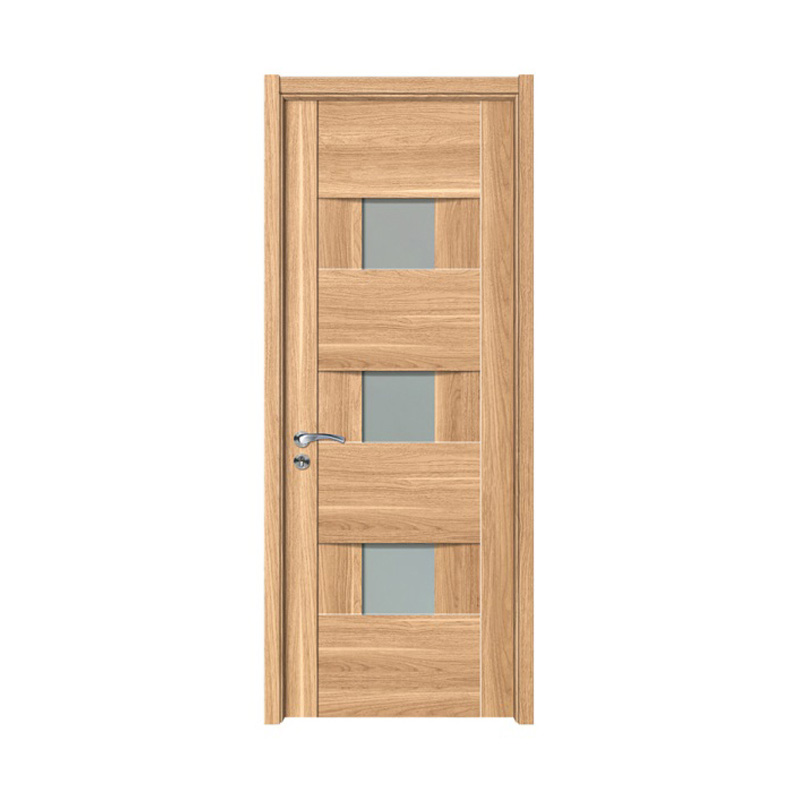
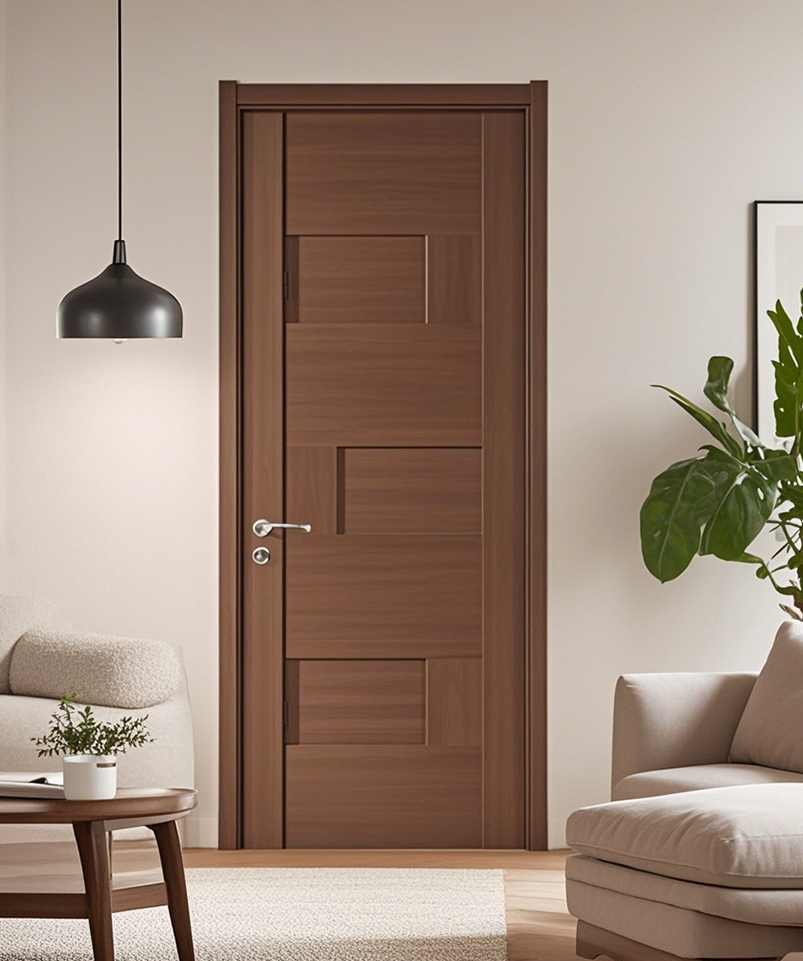
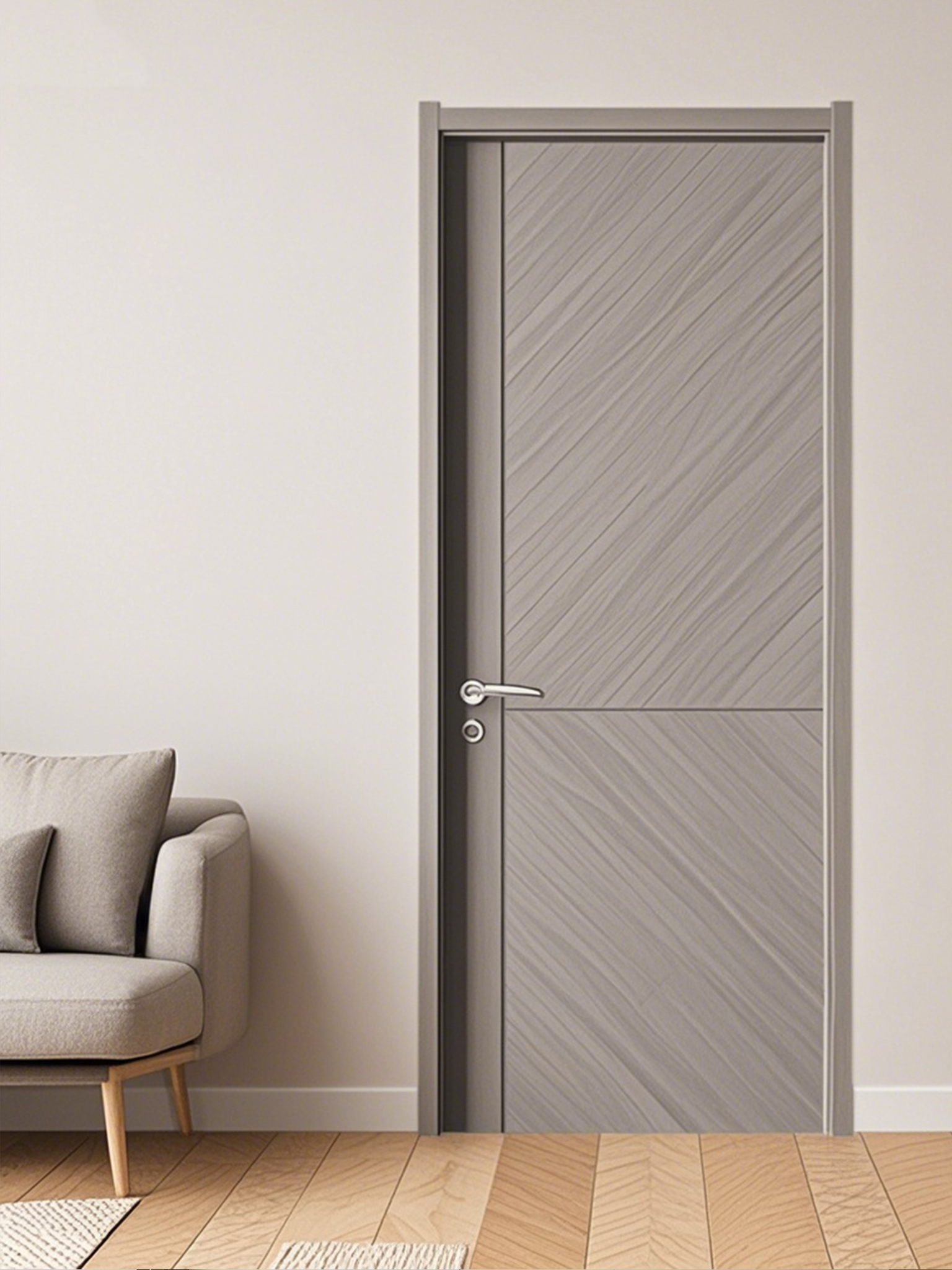
The Natural Wood Color PVC Panel Door from Zhejiang Optima Door Industry Co.,Ltd. offers an aesthetic and durable interior solution. Designed with high-density PVC panels in a realistic wood-grain finish, it combines the natural appearance of wood with enhanced moisture resistance and easy maintenance. The door's lightweight yet sturdy structure ensures smooth operation, while its surface resists scratches, fading, and humidity-related damage. Suitable for bathrooms, kitchens, and residential interiors, this model provides a cost-effective and visually appealing alternative to traditional wooden doors, balancing style with practicality.



Copyright@ Zhejiang Optima Door Industry Co.,Ltd. All Rights Reserved.
PVC And WPC Doors Company
