
 English
 русский
 عربى
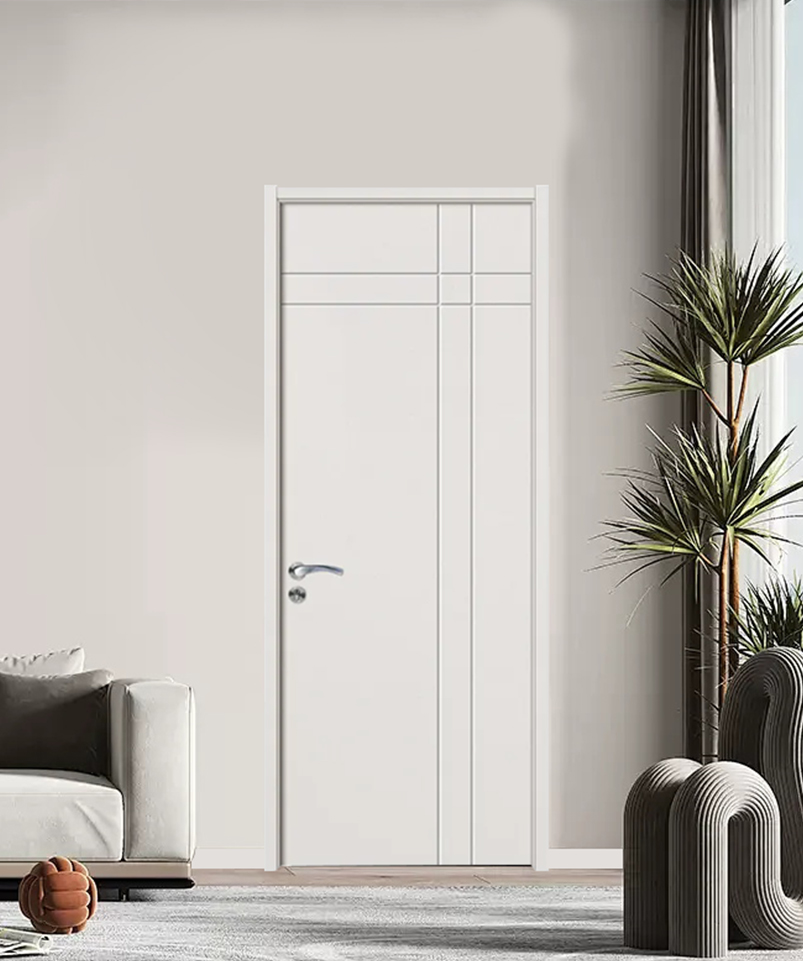
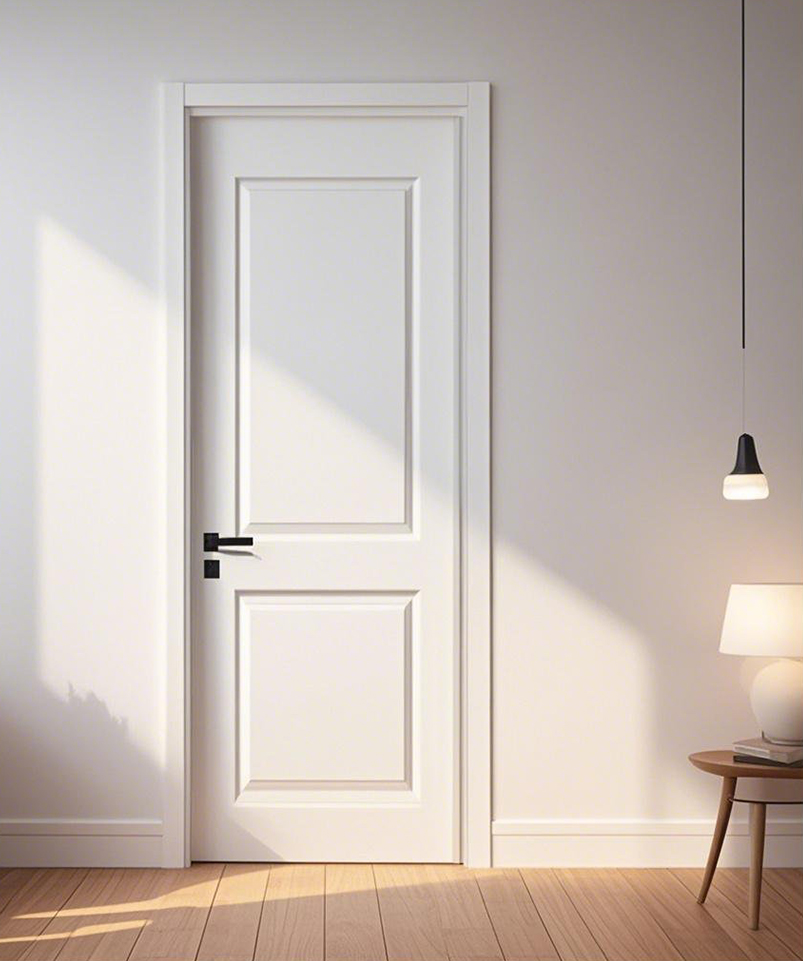
عربىWhite Primer Door: A Canvas for Customization
In the world of interior doors, the white primer door has evolved from a simple unfinished product to a strategic choice at the center of home renovation and construction projects. Serving as a blank canvas, this product category represents a significant segment of the global door market, valued in the billions of dollars annually, with steady demand driven by both new builds and remodeling activity. Its popularity stems from its unique position at the intersection of consumer desire for customization, efficient manufacturing processes, and shifting design trends, making it a telling indicator of broader industry directions.
Why Do Consumers Choose the White Primer Door?
For the modern homeowner, contractor, or designer, the appeal of a white primer door is rooted in flexibility, cost-effectiveness, and creative control. In a market where interior doors are a substantial investment, the white primer door offers a practical solution. It allows the end user to finish the door with a paint color that superbly matches their specific décor scheme, a flexibility that pre-finished doors cannot provide. This is crucial in an era of personalization, where unique color palettes are a key element of home design. Data suggests that a significant portion of interior doors are painted on-site after installation, and the white primer door streamlines this process by providing a factory-sanded, primed surface that ensures proper paint adhesion and a professional-looking final result. This eliminates the need for extensive surface preparation, saving time and labor costs, which can account for a notable percentage of a painting project's total expense.
How Does Manufacturing Optimize This Product?
From a manufacturing standpoint, the white primer door represents an efficient and scalable product model. Factories produce these doors using materials like medium-density fiberboard (MDF) or engineered wood, which provide a consistently smooth and stable surface ideal for priming. The application of a uniform white primer coat is a standardized step that can be highly automated, involving spray booths and conveyor systems that ensure even coverage and rapid drying times. This standardized process allows for high-volume production, inventory management of a single SKU, and cost savings that are passed along the supply chain. The white primer finish also serves as a quality check, revealing any surface imsuperbions in the substrate before the door leaves the factory, ensuring that only products meeting a certain standard reach the market. This focus on a core, versatile product enables manufacturers to serve a wide global market through wholesale and retail channels efficiently.
What Industry Trends Influence Its Role?
The white primer door is both a steady staple and a product influenced by evolving industry trends. While classic white remains the many popular door color overall, the primer door specifically enables the growing trend toward bold, non-white finishes. As homeowners and designers increasingly experiment with deep blues, rich greens, and matte black, the white primer door is the essential starting point. Furthermore, it aligns with the rising demand for sustainable and healthy home materials. Manufacturers are responding by using low-VOC or zero-VOC primers, appealing to eco-conscious consumers. The product also fits within the broader movement of factory-finished components that reduce on-site waste and installation time. As smart home integration progresses, the white primer door provides a neutral base that can be seamlessly incorporated into spaces where technology and design converge, future-proofing its role in the market.
The white primer door is far more than an unfinished commodity; it is a strategic enabler of customization, a model of manufacturing efficiency, and a responsive player in the trend-driven building materials industry. Its continued relevance is secured by its ability to balance the practical needs of production and installation with the creative desires of the end user. As long as the demand for personalized, sustainable, and well-crafted interiors persists, the white primer door will remain a fundamental and versatile component in homes and commercial spaces worldwide.
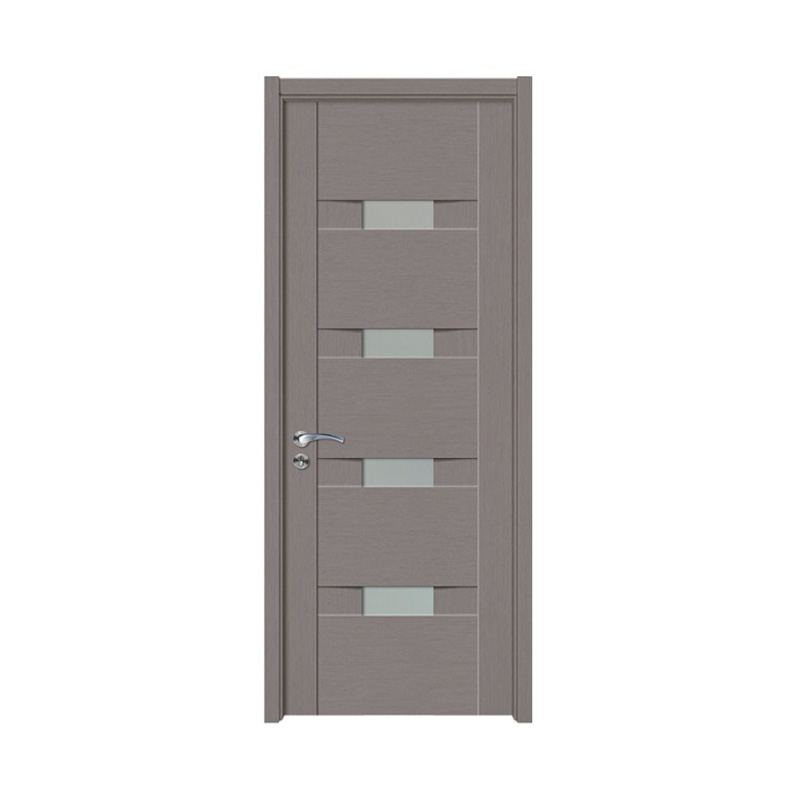
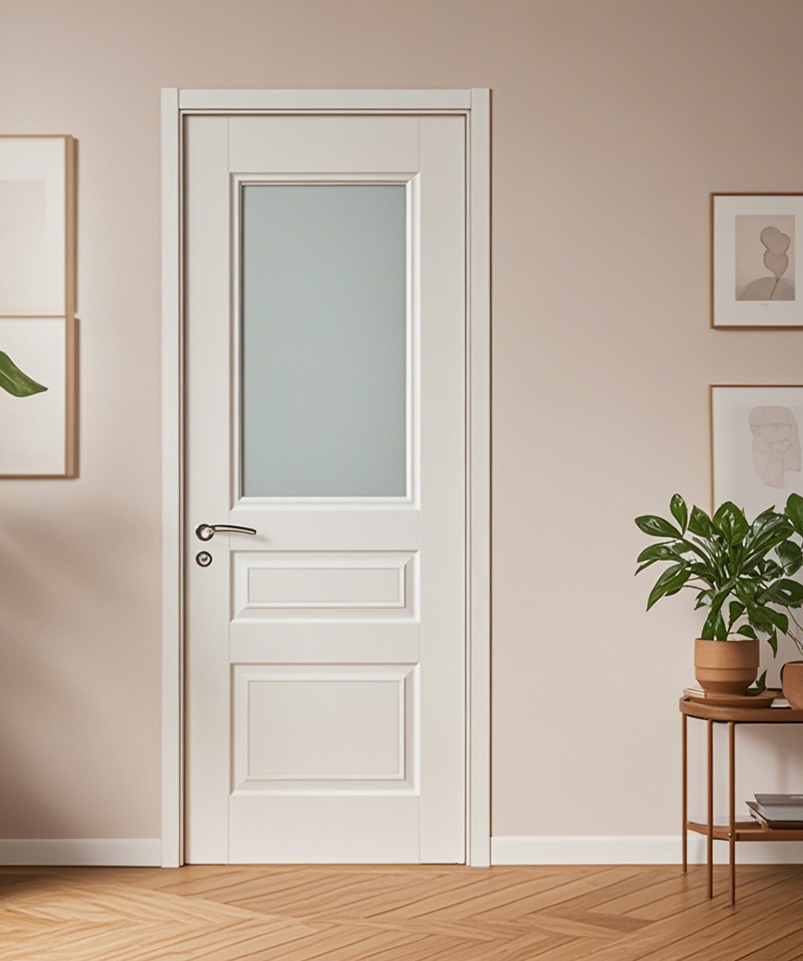
The Rectangular Glass Pane Panel Door from Zhejiang Optima Door Industry Co.,Ltd. combines structural design with transparency to enhance modern interiors. It features a sturdy frame, typically of aluminum alloy or engineered wood, with integrated rectangular tempered glass panels that provide durability, safety, and a clear, unobstructed view. The design balances privacy with light transmission, making it suitable for office partitions, conference rooms, retail spaces, or residential rooms where visual openness is desired. This door offers a sleek, professional appearance while ensuring functional performance and ease of installation in contemporary settings.



Copyright@ Zhejiang Optima Door Industry Co.,Ltd. All Rights Reserved.
PVC And WPC Doors Company
