
 English
 русский
 عربى
عربىInterior Door Factory Adapts to Global Demand
The global interior door market, valued at tens of billions of dollars, is in a state of steady transformation, driven by urbanization, renovation cycles, and evolving consumer tastes. At the heart of this industry, the modern interior door factory is adapting its strategies and operations to meet complex demands for efficiency, customization, and design. The successful interior door factory today must excel across three interconnected domains: astute market analysis, advanced manufacturing processes, and a keen sensitivity to shifting design aesthetics.
What Does Industry Analysis Reveal About the Market?
Recent market analysis indicates a positive trajectory for the interior door sector. Valued at over 55 billion dollars, the global market is projected to grow at a compound annual rate in the mid-single digits, potentially reaching a valuation approaching 100 billion dollars within the next decade. This growth is supported by sustained residential construction activity, particularly in the Asia-Pacific region, and a strong home renovation sector in North America and Europe. Key consumer trends shaping demand include a pronounced move towards personalization, with homeowners viewing interior doors as integral design elements rather than mere utilities. Furthermore, there is growing interest in sustainable materials and products that contribute to healthier indoor environments, prompting factories to reconsider material sourcing and finishing processes. The interior door factory must navigate these preferences while managing challenges such as volatility in raw material costs and competitive pressure from alternative door materials.
How Has the Manufacturing Process Evolved?
To address the demand for both volume and variety, the interior door factory is undergoing a technological revolution. Advanced manufacturing is centered on automation and digital integration. Computer Numerical Control (CNC) routers and machining centers are now standard, enabling high-precision cutting, shaping, and boring for components with small waste. Automated assembly lines, paint booths, and finishing systems ensure consistent quality and faster throughput. A significant development is the adoption of made-to-order production models supported by sophisticated software. This allows an interior door factory to efficiently manage small, customized batches—such as doors with specific dimensions, panel designs, or cutouts for hardware—alongside larger standard runs. The focus on lean manufacturing and material optimization, such as using engineered wood products that offer stability and sustainability, is crucial for controlling costs and meeting environmental standards, making the modern interior door factory a model of efficient, adaptable production.
Which Design Styles Are Influencing Production?
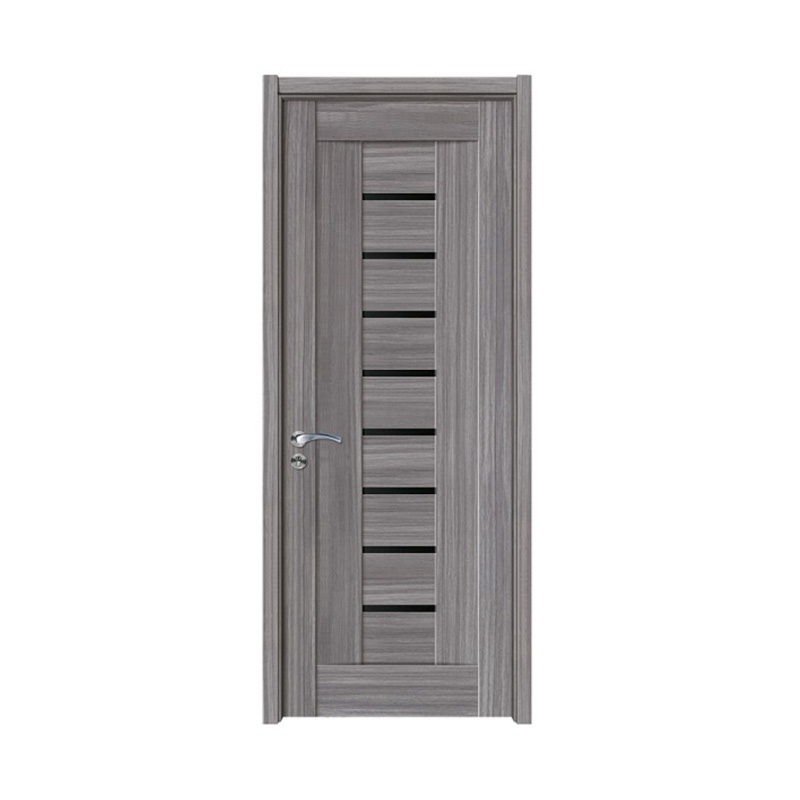
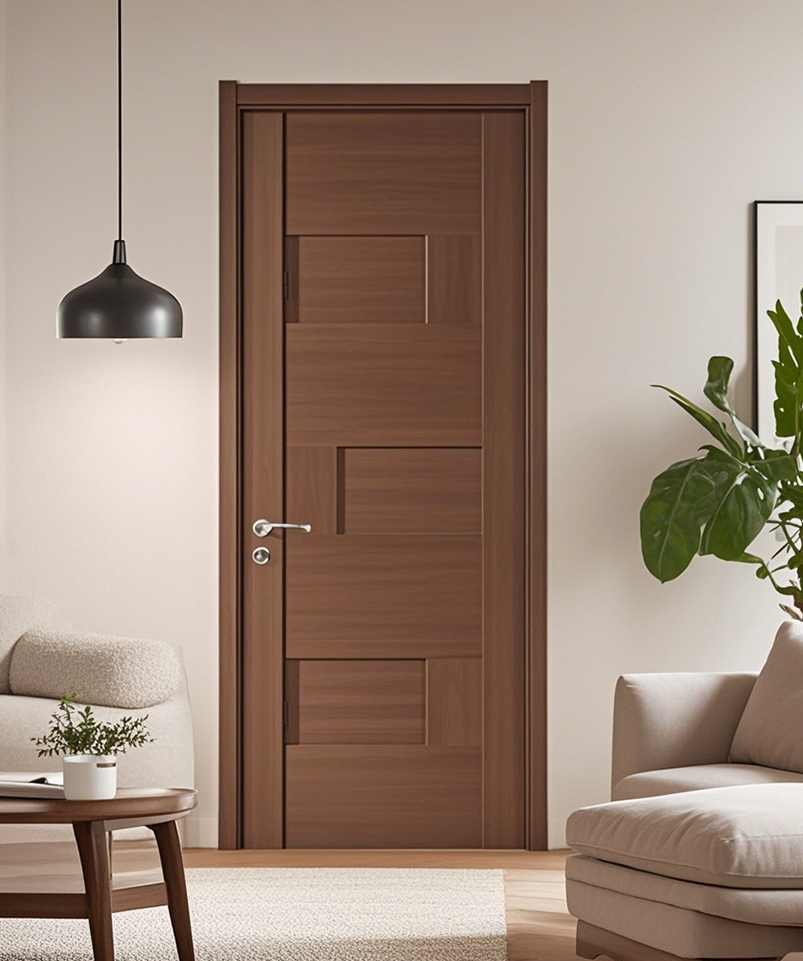
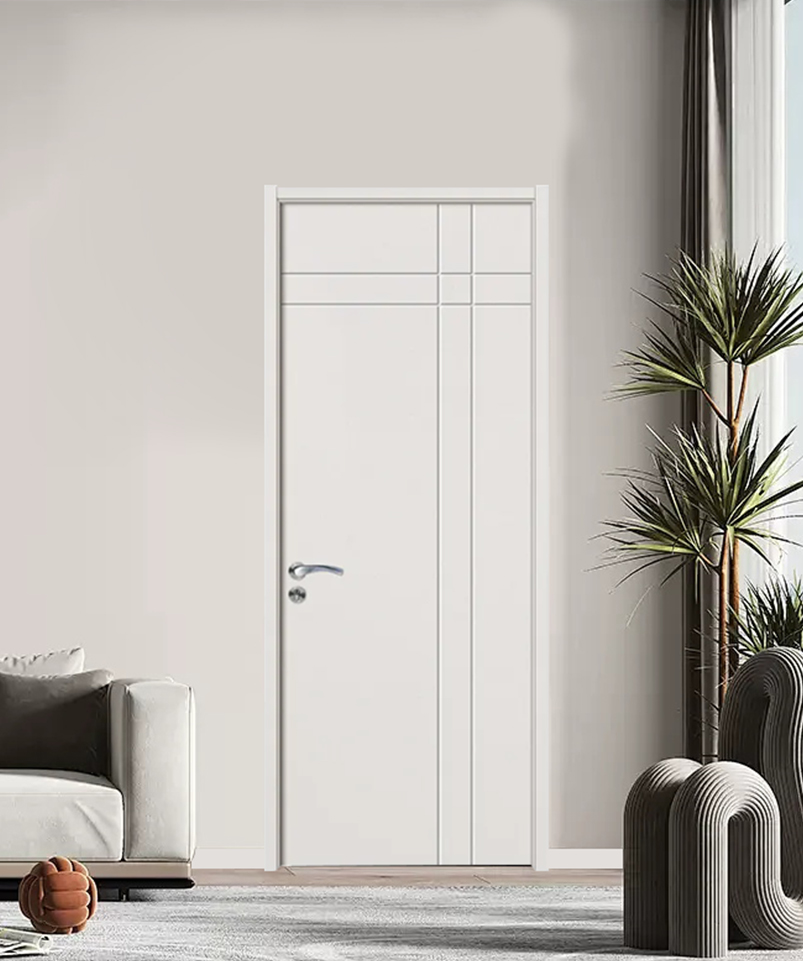
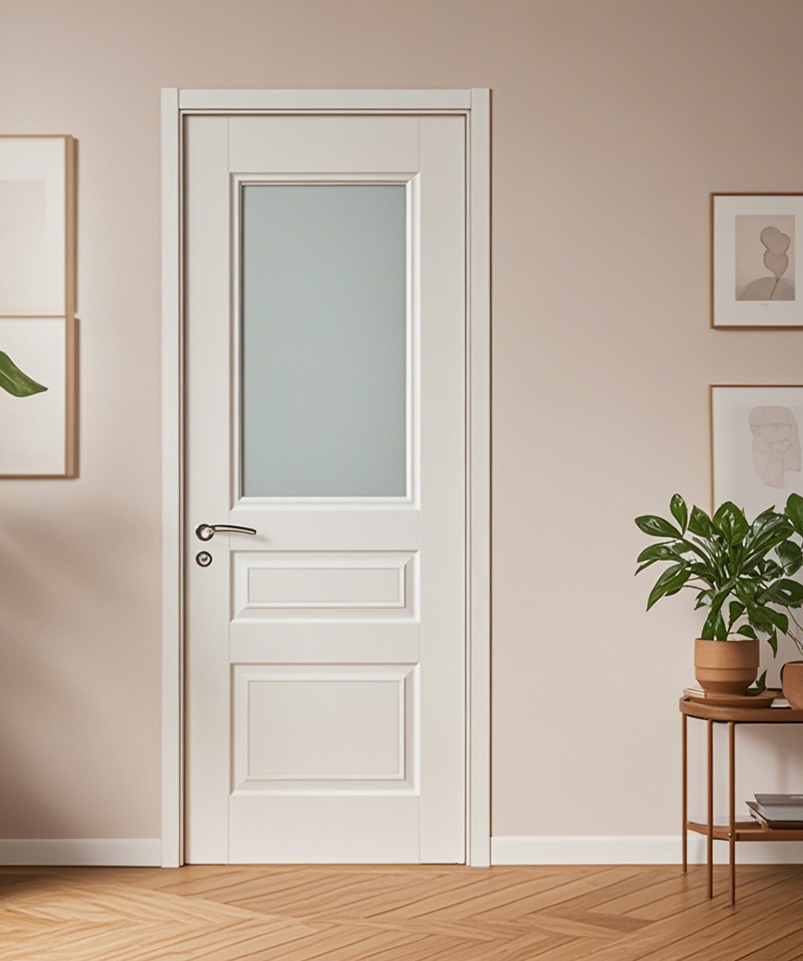
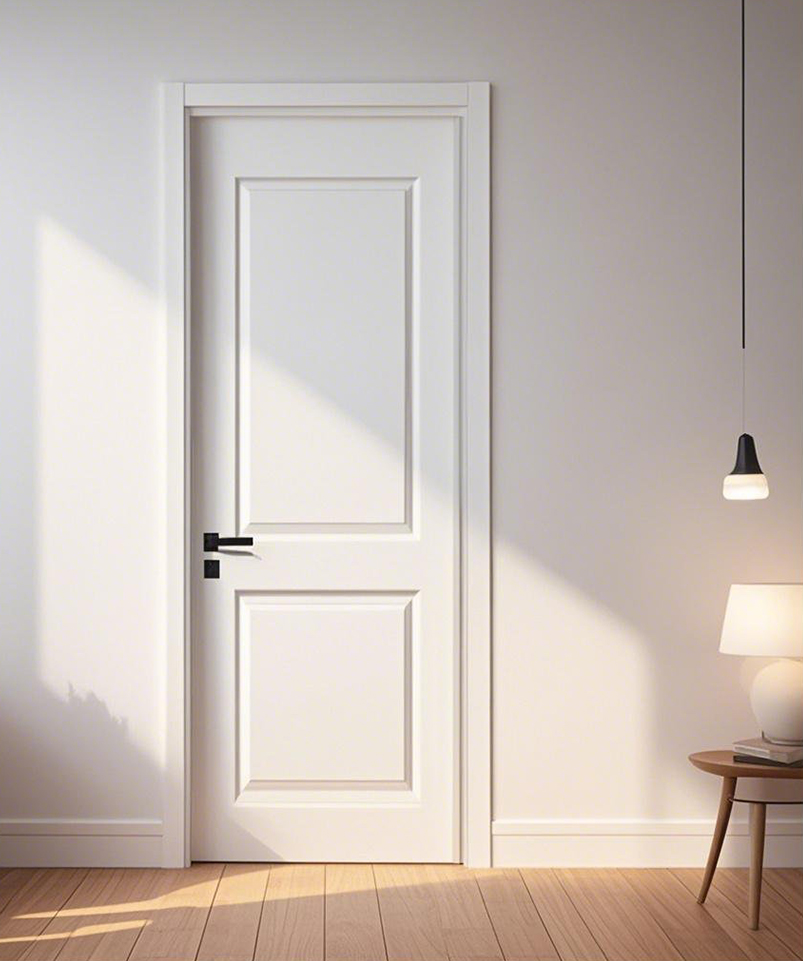
The output of the contemporary interior door factory is increasingly defined by diverse and evolving design styles that cater to personal expression. While classic raised-panel doors in natural wood finishes remain popular for traditional settings, there is strong growth in smallist designs. Smooth, slab-style doors, often painted in bold colors or clad in modern materials, align with contemporary and Scandinavian aesthetics. The interior door factory is also responding to the demand for doors that enhance spatial perception, pilot to more orders for designs incorporating glass panels or full-lite configurations to allow light flow. Industrial styles featuring metal accents and rustic designs emphasizing reclaimed or textured wood are also influential. This diversity requires the interior door factory to maintain immense flexibility in its production capabilities, offering a wide portfolio of designs, finishes, and customizable options to serve as a reliable partner for homeowners, designers, and builders seeking to define a space's character.
The modern interior door factory operates at the nexus of market intelligence, advanced engineering, and artistic trend. Its evolution from a standardized producer to a flexible, demand-driven manufacturer reflects broader shifts in the construction and home furnishings industries. By leveraging automation for customization, prioritizing efficient and sustainable processes, and continuously expanding its design repertoire, the interior door factory is positioning itself not just as a supplier of a functional building component, but as an essential contributor to creating personalized and stylish living environments worldwide.
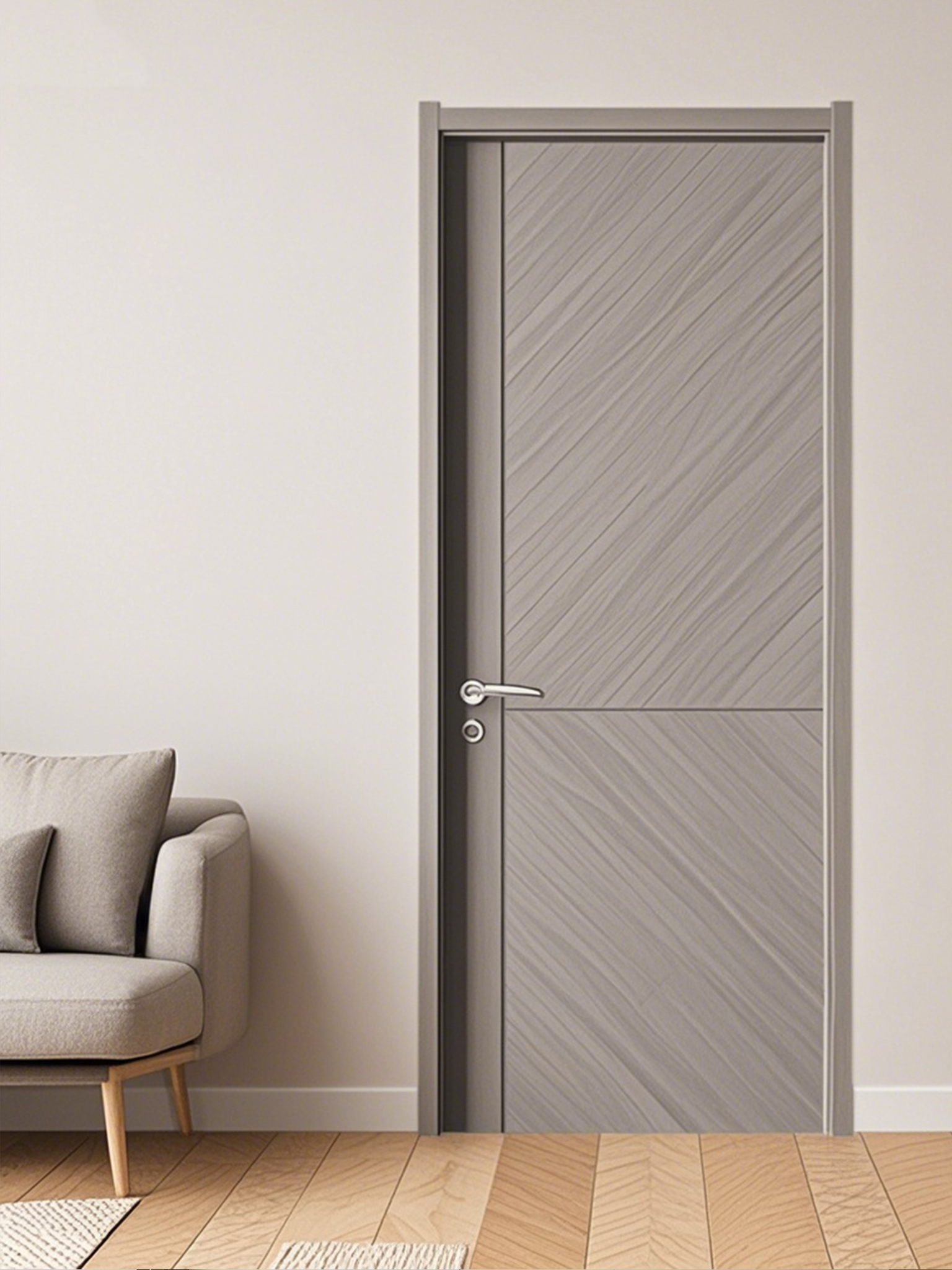
The PZ-010 Horizontal Bar Panel Door from Zhejiang Optima Door Industry Co.,Ltd. delivers modern aesthetics and practical durability for contemporary interior applications. It is characterized by a series of clean, evenly spaced horizontal bars integrated into the door panel, creating a streamlined and visually elongated appearance. This design is typically executed in robust materials such as engineered wood, MDF, or metal, and is available in a range of finishes like wood grain, matte paint, or laminate. The door offers a balance of structural integrity and design versatility, making it an outstanding choice for enhancing modern spaces such as offices, retail stores, hotels, and residential rooms where a sleek, geometric look is desired.



Copyright@ Zhejiang Optima Door Industry Co.,Ltd. All Rights Reserved.
PVC And WPC Doors Company
