
 English
 русский
 عربى
عربىWhat Improves White Primer Door Quality?
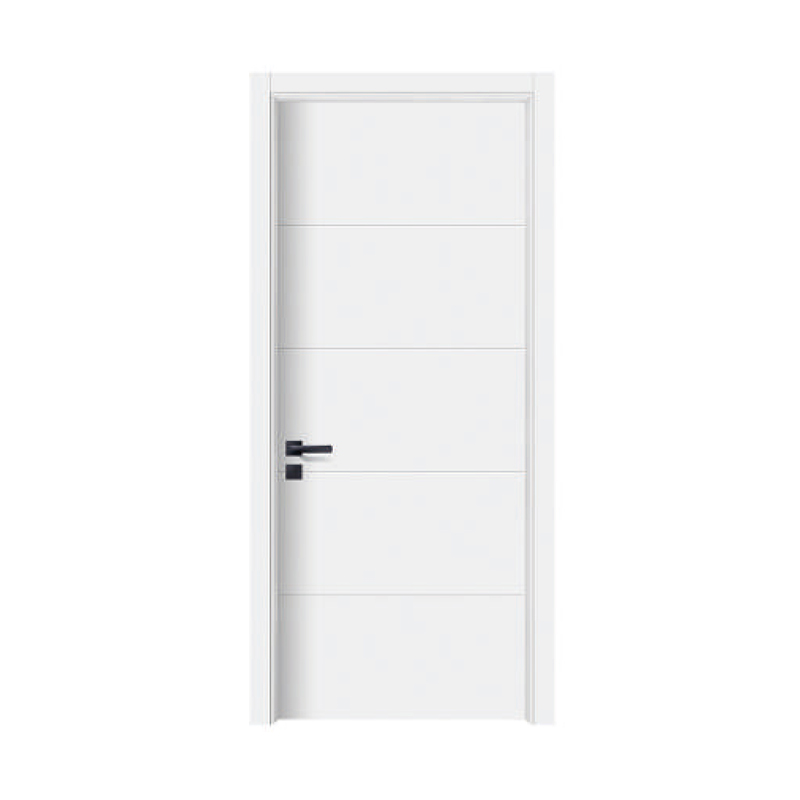
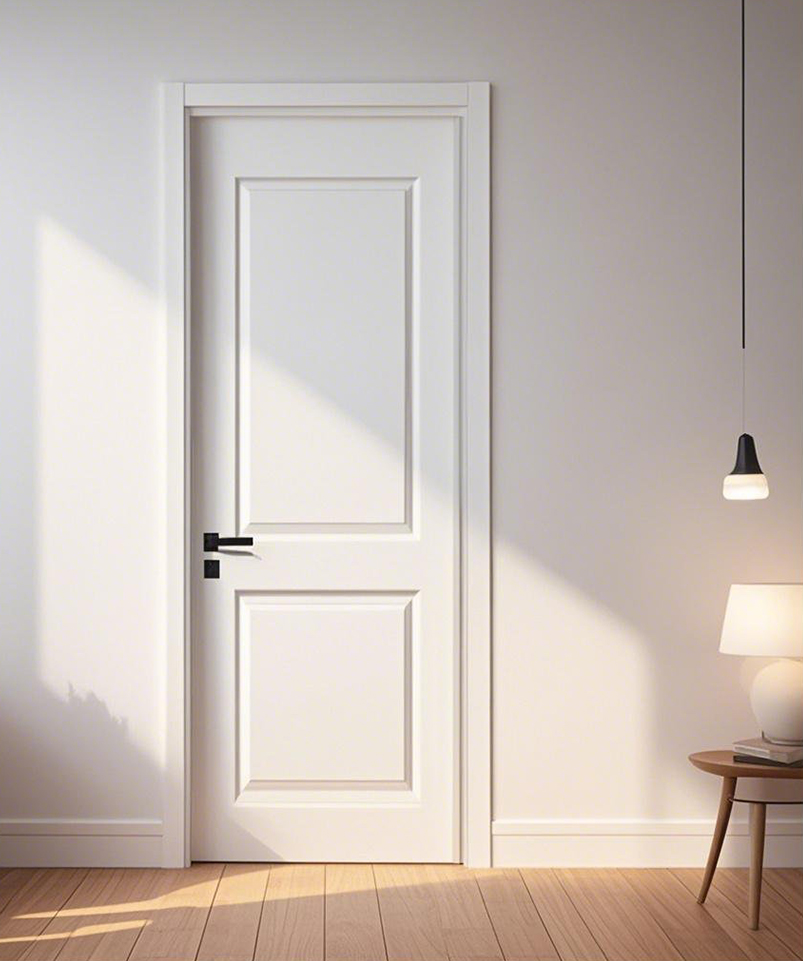
In interior door supply chains, the role of finishing-ready products has become more noticeable in recent years. Among them, the white primer door is widely used in residential and commercial projects where on-site painting flexibility is required. Unlike fully finished doors, the white primer door is designed as an intermediate product, which means it is closer to a “ready base” rather than a final decorative piece.
In many export projects, contractors prefer using white primer door systems because they reduce preparation work while still allowing full customization on color and coating style later on-site.
Surface System and Production Background
The production of a white primer door is not only about applying a white layer. It is more about building a stable surface foundation that can support later finishing. In many factories, the process is divided into sanding, sealing, spraying, and controlled drying, but the sequence is often adjusted slightly depending on project requirements.
A typical white primer door structure usually includes a stable core and multiple surface preparation steps:
- base door core for structural support
- sanding layer to smooth surface irregularities
- primer coating for sealing and adhesion
- drying process to stabilize the coating condition
What is important here is not just appearance, but how the surface reacts when paint is applied later. A well-prepared white primer door should allow paint to spread evenly without absorbing too much material or showing uneven texture.
Why It Is Used in Real Projects
In actual construction practice, the white primer door is often selected for projects where design flexibility is needed. Instead of locking color decisions at the factory stage, contractors can adjust final appearance based on interior design progress.
This is especially common in apartment renovation projects or multi-unit developments where design consistency is required but final color decisions may still change during construction stages.
Some practical reasons include:
- on-site painting flexibility for different room styles
- reduced workload before installation
- compatibility with multiple coating systems
- easier coordination with interior design changes
Because of these factors, the white primer door is often seen as a “transition product” between manufacturing and final decoration.
Factory Process and Practical Control
Inside production facilities, making a white primer door requires careful control of surface treatment. Even small differences in sanding smoothness or primer thickness can affect final painting results on site.
Unlike fully finished doors, the focus here is not on final color consistency but surface readiness. That is why factories often spend more time on intermediate inspection steps rather than on the final visual appearance.
In real production flow, attention is usually placed on:
- coating uniformity across large batches
- sanding consistency between panels
- drying stability under different humidity conditions
- edge surface treatment for better paint coverage
A stable white primer door production line tends to rely on repeated calibration rather than frequent adjustment, since consistency is more important than variation.
Application Scenarios in Construction
The white primer door is widely used in environments where interior finishing is completed in stages. For example, in large housing developments, doors may be installed before final painting work begins. This allows interior contractors to adjust color selection after installation.
In many cases, the white primer door also fits renovation projects where matching existing interior colors is difficult. Instead of replacing fully finished doors, builders can repaint surfaces directly on-site.
Common usage scenarios include:
- residential apartment interiors
- hotel room renovation projects
- office partition systems
- standardized housing developments
Because of this flexibility, the white primer door has become a practical option in both new construction and refurbishment projects.
Market Perspective and Supply Consideration
From a supply chain perspective, the white primer door also helps reduce pressure on inventory planning. Factories do not need to produce multiple final colors in advance, which allows for more flexible production scheduling.
For buyers, this also means fewer limitations in color selection during project changes. However, it also requires clear communication between the supplier and the contractor regarding coating standards, since different paint systems may react differently to the same primer base.
In export projects, the white primer door is often preferred because it reduces complexity while keeping customization options open at the final stage.
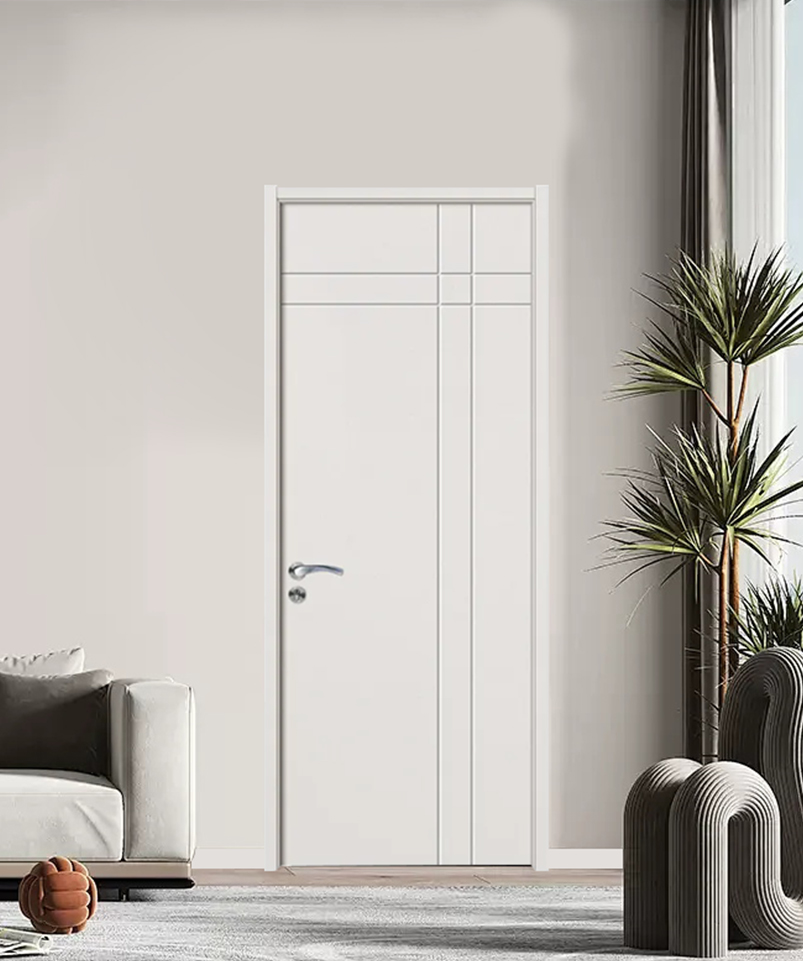
Overall, the white primer door serves as a practical intermediate solution in modern interior construction. It is not designed as a finished decorative product, but as a stable base that supports flexible design decisions. With controlled surface treatment, consistent production processes, and adaptability across different project types, the white primer door continues to play an important role in both domestic and international building supply systems.



Copyright@ Zhejiang Optima Door Industry Co.,Ltd. All Rights Reserved.
PVC And WPC Doors Company
