
 English
 русский
 عربى
عربىWhat Makes PVC Door Factory Different?
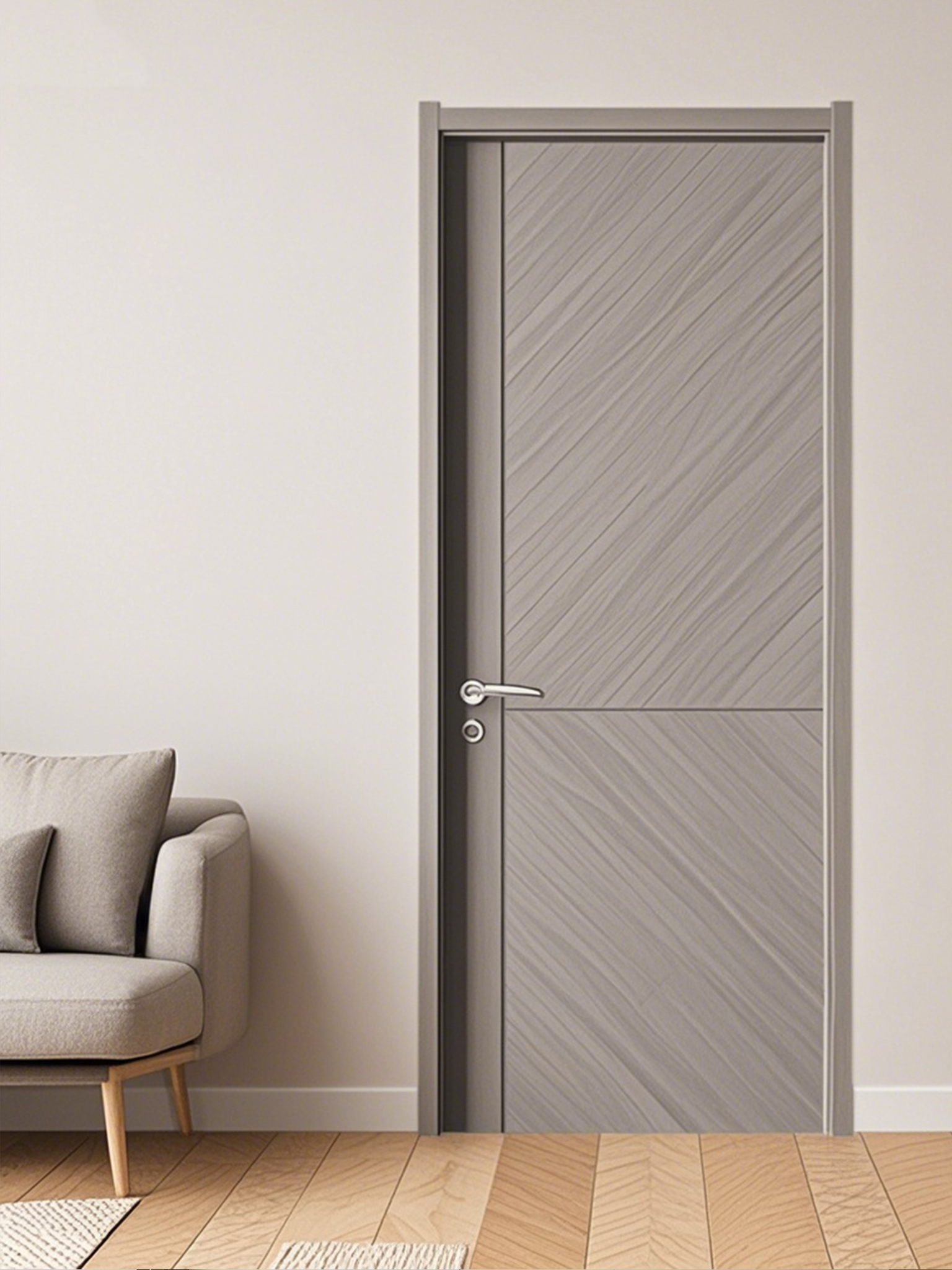
In recent years, the demand for interior doors has changed in a noticeable way, especially in overseas construction markets. Among different production types, the PVC door factory has gradually become a common choice for many buyers who focus on stable supply and controlled cost. Compared with traditional solid wood options, products from a PVC door factory are often selected for their balance between appearance, durability, and production efficiency.
What makes this category interesting is not only the material itself, but also how factories organize production to meet bulk orders from different regions. In many export cases, consistency matters more than complex design, and this is where a PVC door factory plays a practical role.
Material Structure and Production Logic
A typical PVC door factory does not rely on a single material layer. Instead, it uses a combined structure that helps stabilize performance during long-term use. The core is usually engineered wood or composite board, while the outer layer is PVC film pressed under controlled temperature.
In real production practice, the structure is kept simple but effective:
- inner core for strength and shape control
- adhesive layer for bonding stability
- PVC surface film for protection and appearance
- sealed edges to reduce moisture influence
This kind of design is widely used in a PVC door factory because it allows the product to be manufactured in large quantities without losing uniformity. In export-oriented production, this stability is often more important than decorative complexity.
Production Process in a Real Factory Work
Inside a PVC door factory, the workflow is usually arranged in a continuous line rather than scattered steps. This helps reduce waiting time between processes and keeps output more predictable.
|
Step |
What happens |
Practical focus |
|
Cutting |
Core shaping |
Size accuracy |
|
Lamination |
PVC pressing |
Surface bonding |
|
Edge sealing |
Protection treatment |
Moisture resistance |
|
Checking |
Visual + measurement |
Consistency control |
Although the process looks simple on paper, in real production, small variations can affect final results. For example, temperature during lamination or pressure consistency can influence whether the PVC layer stays flat or develops bubbles. That is why a PVC door factory usually relies on fixed machine settings rather than manual adjustment.
Practical Performance in Use
From the perspective of buyers, the reason they choose a PVC door factory is not only cost-related. In many cases, it is about maintenance and long-term usage behavior. PVC surfaces do not require repainting, and they can handle daily friction in residential or light commercial spaces.
In actual projects, these doors are commonly used in apartments, rental houses, and standardized office rooms. The demand is not for luxury appearance, but for repeatable performance across many units.
Some practical observations from projects include:
- surface cleaning is relatively simple compared with painted wood doors
- color stability remains acceptable under indoor conditions
- replacement cycles are longer in low-impact environments
- batch installation is easier due to uniform sizing
These points explain why a PVC door factory is often selected for large housing developments rather than single custom projects.
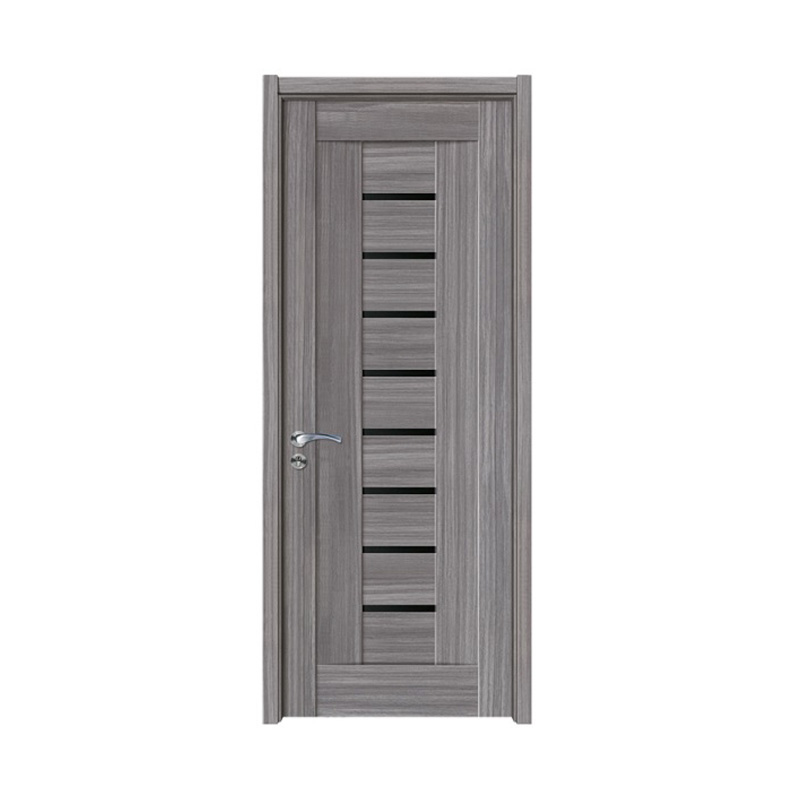
Export Considerations and Factory Behavior
In export trade, a PVC door factory must handle more than just production. Packaging, loading method, and moisture protection during shipping also affect customer experience. Many factories adjust packaging design depending on the destination climate and transport distance.
Another detail often overlooked is communication between the buyer and the factory. Specifications such as thickness, surface texture, or edge style may look small, but they directly affect how the final product fits into construction planning. A stable PVC door factory usually keeps these parameters fixed across orders to avoid inconsistency.
Overall, the role of a PVC door factory in the modern interior door market is closely linked to efficiency and repeatability. While it may not focus on high-end decorative variation, it provides a stable manufacturing system that supports large-scale construction demand. For many overseas buyers, this balance between structure, cost control, and predictable output is the main reason they continue to work with a PVC door factory in long-term supply chains.



Copyright@ Zhejiang Optima Door Industry Co.,Ltd. All Rights Reserved.
PVC And WPC Doors Company
