
 English
 русский
 عربى
عربىSimple White PVC Panel Door Design Favors Fewer Details
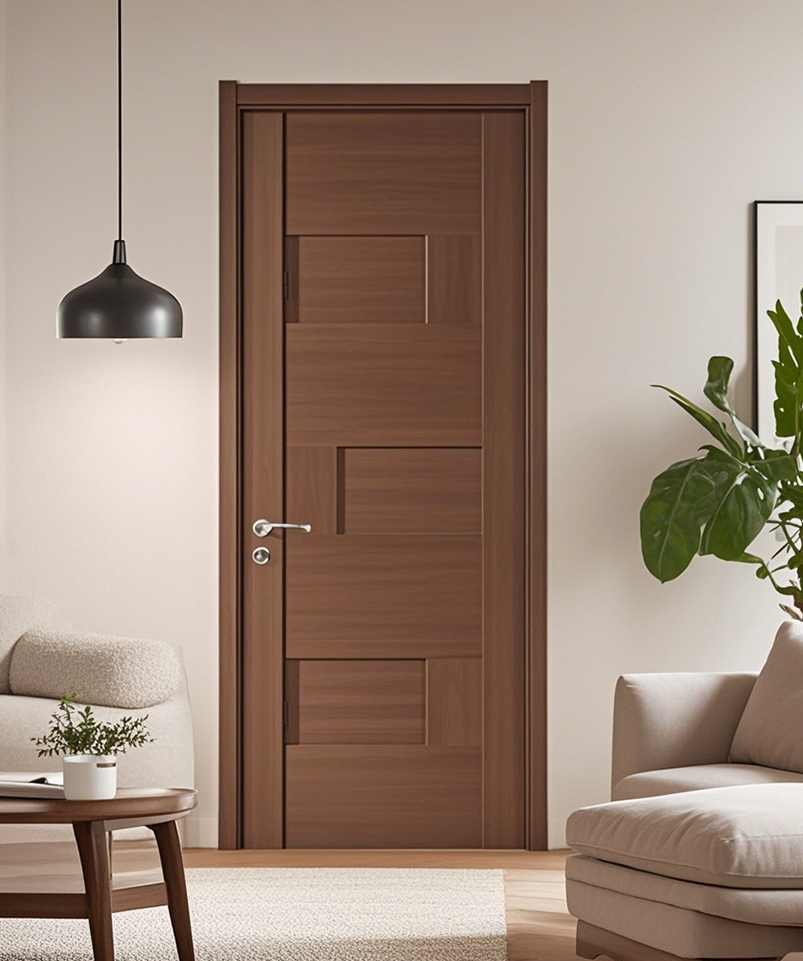
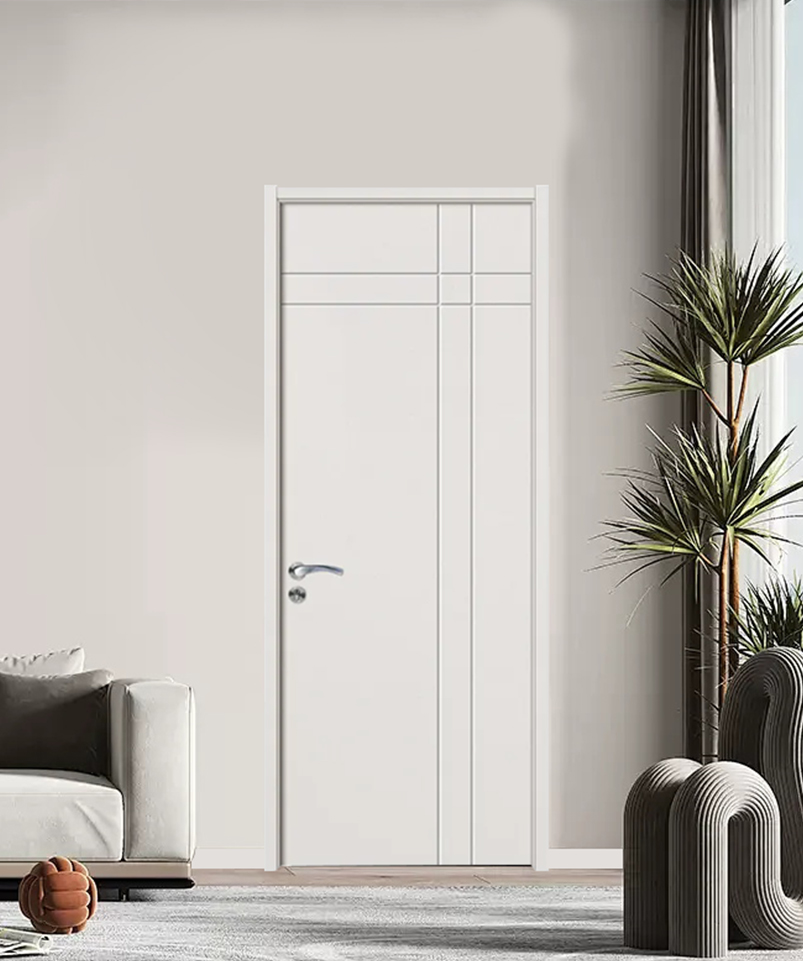
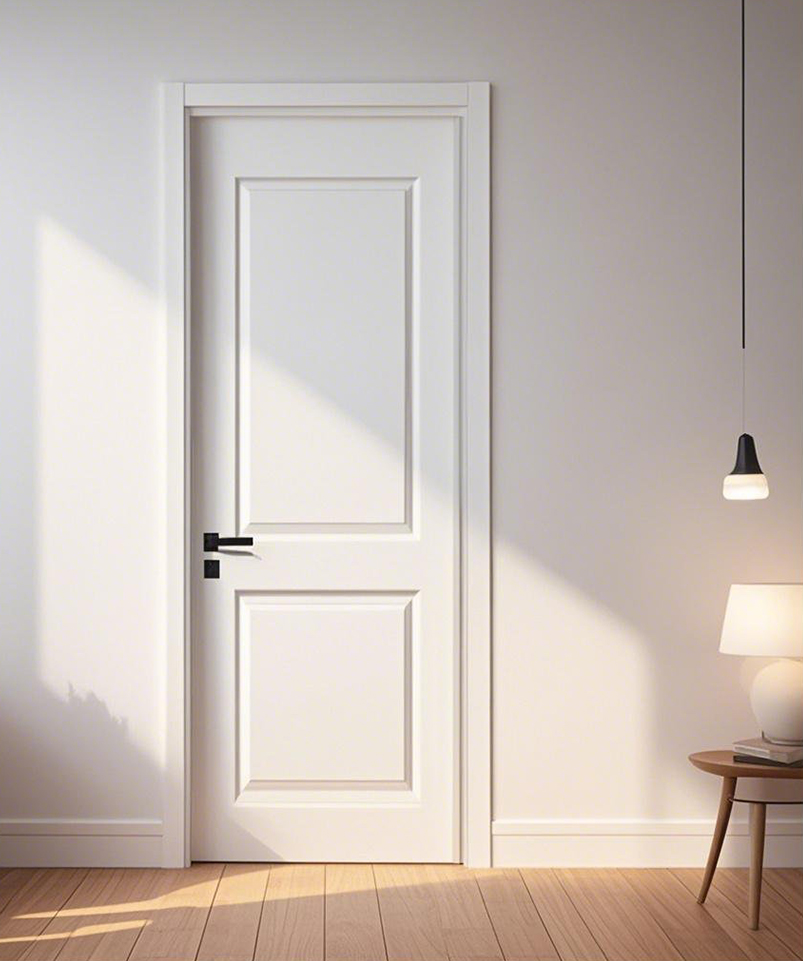
Minimalist interiors have pushed door design in a direction that sounds counterintuitive for a product category built on customization: fewer visible features, not more. A simple white PVC panel door — a flat or lightly recessed surface with no glass, no carved pattern, no layered molding — has become one of the more requested styles precisely because it does less rather than more. For a category where most catalog pages compete on how much detail a mold can carry, that shift is worth noticing on its own.
Why Flat Geometry Reads as Minimalist
The visual quiet of a simple white PVC panel door comes from removing depth cues rather than adding a specific decorative element. Where a deep-carved or geometric-depression panel relies on shadow lines to create visual interest, a flat or barely-recessed surface relies on the white finish itself and the door's proportions to do that work. This is a design choice as much as a manufacturing one — the panel geometry has to be flat enough to avoid dust-catching grooves while still reading as intentional rather than unfinished.
Fewer Mold Variations, More Consistency
From a production standpoint, a simple white PVC panel door generally requires less tooling complexity than styles with multiple depression depths or curved detailing. Fewer surface transitions mean fewer points where the capping layer has to be checked for consistent thickness and color match, which can translate into more uniform output across a production run. This is part of why flat or simply-shaped panels are often the style manufacturers point to when a buyer needs to standardize color and finish across a large order rather than matching a single showroom sample.
Where Variation Still Fits In

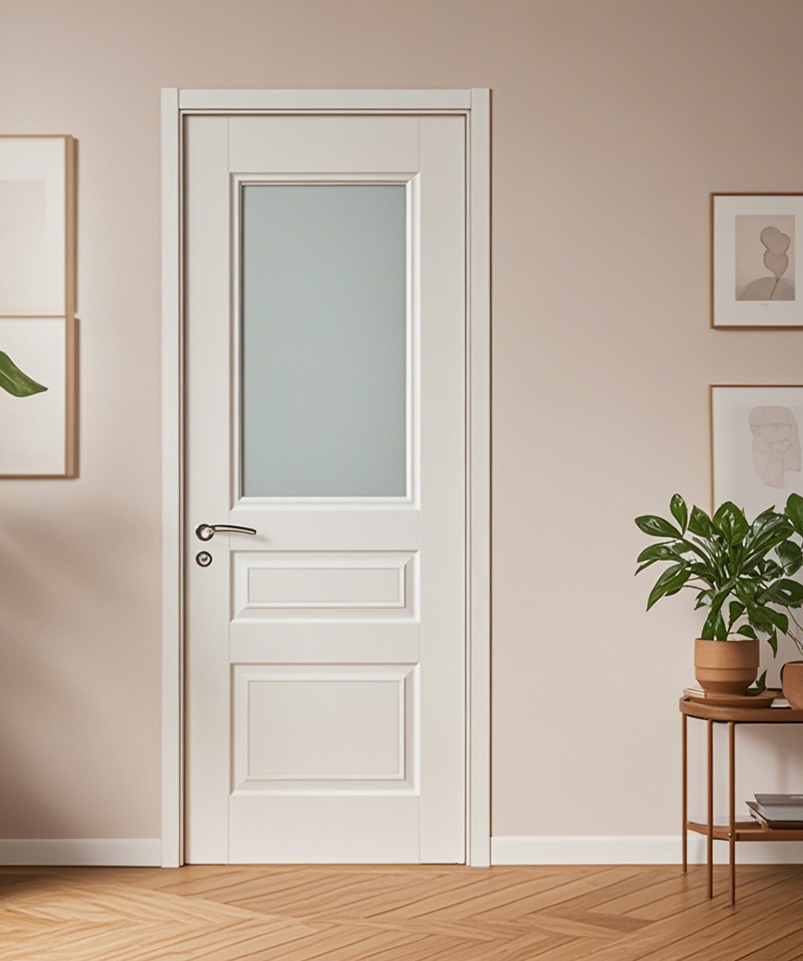
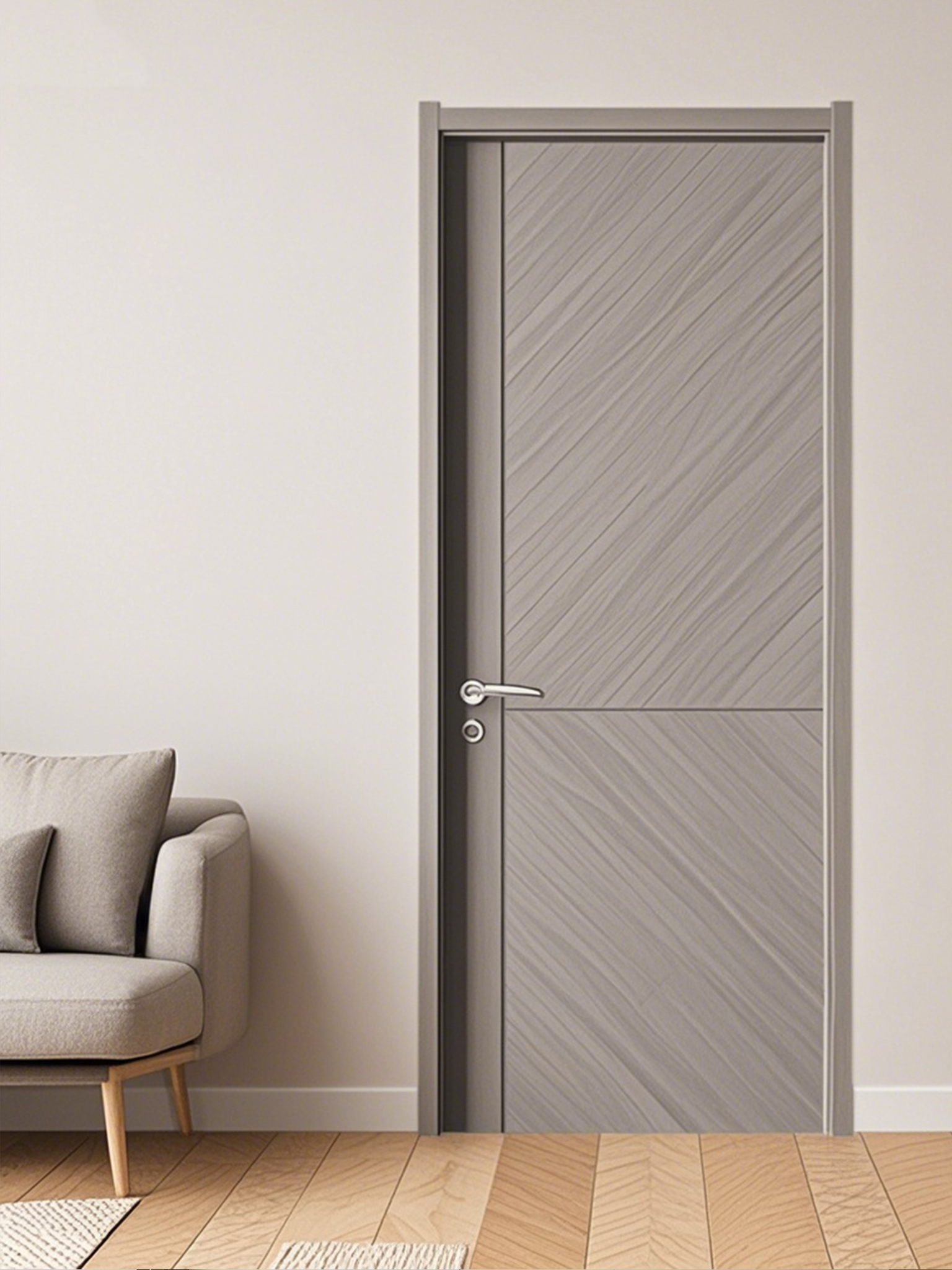
A pared-back panel does not mean a fixed product. Even within the flat, undecorated look that defines a simple white PVC panel door, manufacturers typically vary panel thickness, core density, and surface texture — matte versus a slight satin sheen — to suit different door weights and traffic levels. Zhejiang Optima Door Industry Co., Ltd., producing PVC panel doors from its Jiangshan facility in Zhejiang province, carries this style alongside deeper-molded and glass-inset panels from the same production line, so a project mixing finishes across different rooms can still draw from one consistent core structure.
Hardware Becomes the Only Visual Detail
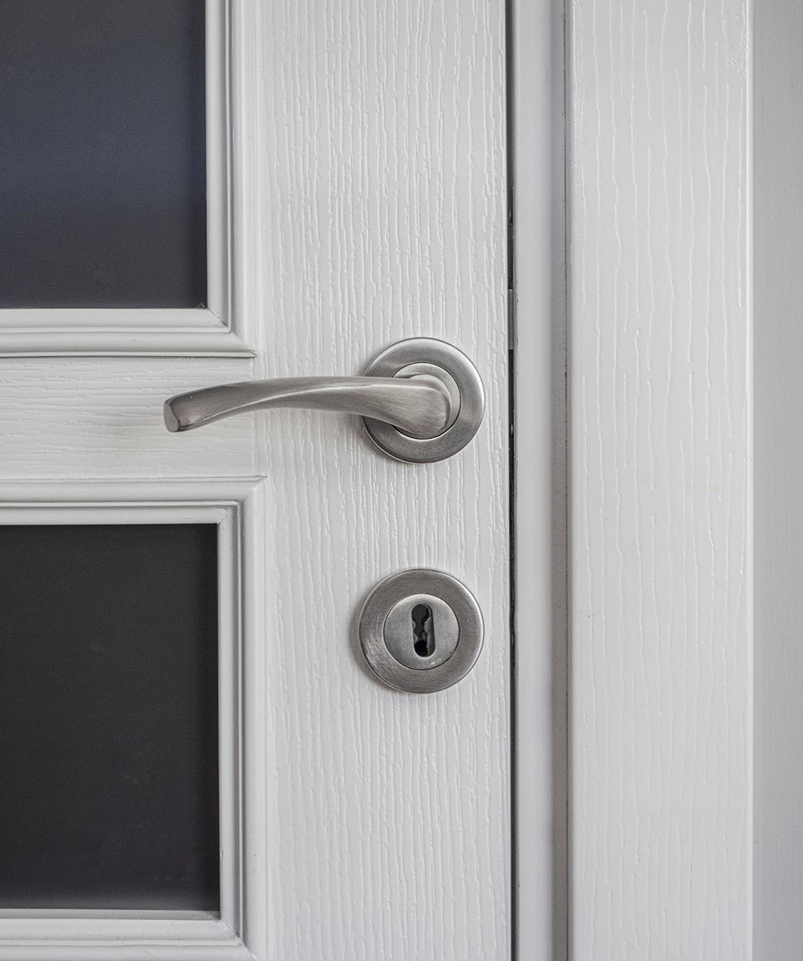
With the panel surface stripped back, hinge placement, lockset finish, and handle style carry more visual weight than they would on a more decorated door. Buyers specifying a simple white PVC panel door for a coordinated space often pay closer attention to hardware finish — matte black, brushed nickel, or white-matched hardware — since it becomes the primary design element once the panel itself is unadorned.
Where This Style Gets Specified
A simple white PVC panel door shows up frequently in new-build residential developments, rental units, and hospitality corridors where a uniform, contemporary look across many identical doors matters more than individual character. The style also suits smaller rooms and narrow hallways, where a flat white surface avoids the visual weight that a heavily patterned or dark-toned door can add to a confined space. Property developers working across dozens or hundreds of identical units in particular tend to gravitate toward this style, since a flat panel leaves fewer visual inconsistencies to explain if lighting or sightlines differ slightly from one unit to the next.
What Buyers Typically Compare
For distributors and developers sourcing this style, useful comparison points include panel flatness and edge consistency, how closely the white shade matches across a full production batch, core density relative to the intended traffic level, and compatibility with standard hinge and lockset templates. Buyers ordering for multi-unit projects can also compare how a manufacturer's simple white PVC panel door line performs on lead time, since simpler tooling can sometimes shorten production compared with heavily detailed panel styles — a practical factor that, for repeat bulk orders, often outweighs the panel's appearance on a showroom wall.



Copyright@ Zhejiang Optima Door Industry Co.,Ltd. All Rights Reserved.
PVC And WPC Doors Company
