
 English
 русский
 عربى
عربىWhite PVC Internal Doors Start With the Capping Layer
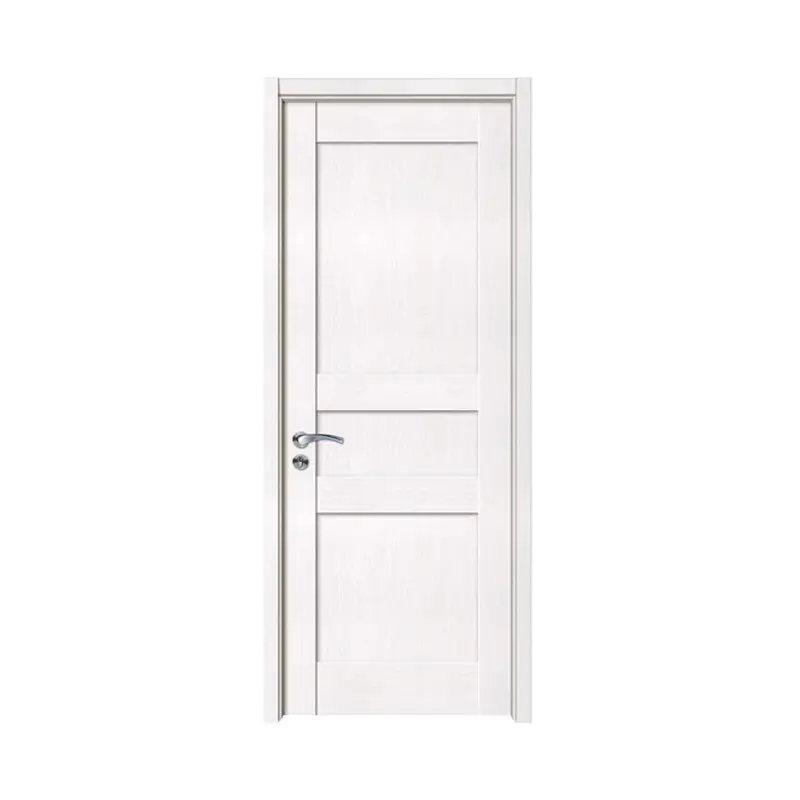
White is the color that shows the least forgiveness. A slight yellow cast, a mismatched sheen between panels, or visible mold lines all read more clearly on white than on almost any other finish, which is part of why white PVC internal doors are built with more attention to the surface layer than their color-neutral description usually suggests.
Where the White Color Actually Comes From
Most white PVC internal doors get their finish from a co-extruded capping layer rather than a painted or sprayed coating. During manufacturing, a UV-stabilized white PVC skin is extruded together with the core material in a single continuous process, bonding the two layers rather than applying color as a separate finishing step. This matters because a capped surface resists scratching and fading differently than a painted one — there is no coating to chip away and expose a different-colored substrate underneath.
What Sits Beneath the Surface
The core of a PVC panel door is typically a denser, rigid PVC formulation chosen for structural stability rather than appearance, since it never faces UV exposure or handling wear directly. This two-layer approach — a functional core paired with a cosmetic and protective skin — lets manufacturers adjust the core's rigidity or foam density independently of the surface finish, which is one reason white PVC internal doors can be offered at different weights and panel thicknesses without changing how the white surface performs.
Why White Ages Differently Than Other Finishes
Darker PVC colors can mask minor UV yellowing for years before it becomes visible, but white has no such buffer — even a small shift in undertone shows up quickly. This is why the UV stabilizer package in the capping layer of white PVC internal doors tends to receive closer formulation attention than the same additive package would for a wood-grain or beige finish. Surface texture also plays a role: a slight matte or fine-grain finish diffuses light more evenly across a white panel than a high-gloss surface would, which can make small manufacturing variations less noticeable to the eye.
Where These Doors Typically Get Specified
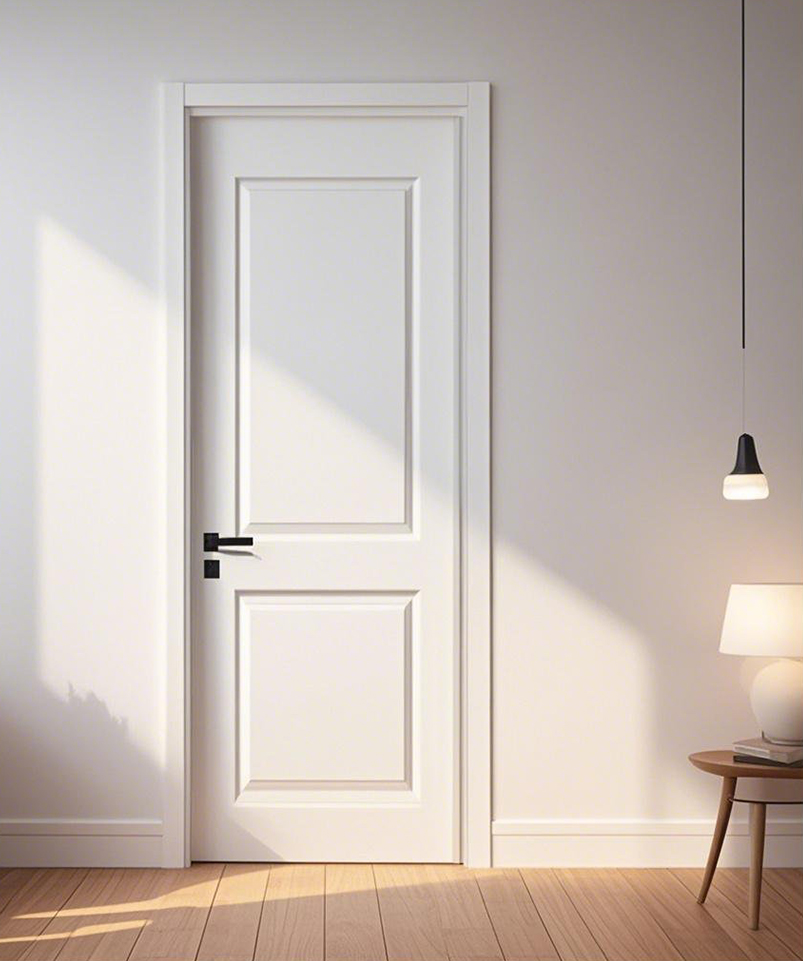
White PVC internal doors are common in settings where a clean, uniform appearance and moisture resistance matter together — bathrooms, laundry rooms, healthcare facilities, and hospitality corridors where a bright, easy-to-clean surface is part of the design brief rather than a secondary consideration. The same water resistance that makes PVC paneling suitable for humid rooms also means a white finish does not develop the water staining or discoloration that can appear on painted wood surfaces in similar conditions over time.
What Buyers Typically Compare
For distributors and specifiers sourcing white PVC internal doors, useful comparison points include panel thickness and core density, the type of surface texture (matte, semi-gloss, or embossed), edge-banding quality where panels meet the door frame, and how consistently the white shade matches across a full production run. Buyers supplying multi-unit projects such as apartment developments or hotel corridors can also compare batch-to-batch color consistency, since even a slight shade variation becomes more visible across a long run of identical white doors than it would on a patterned or wood-toned finish.
Customization Across Panel Styles
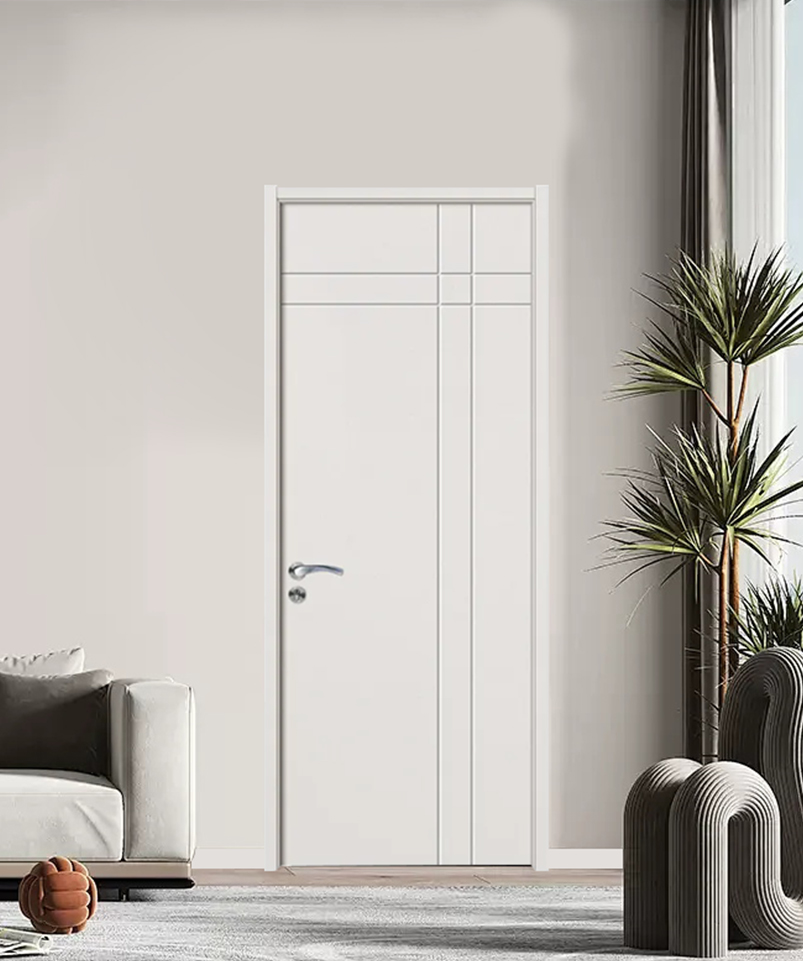
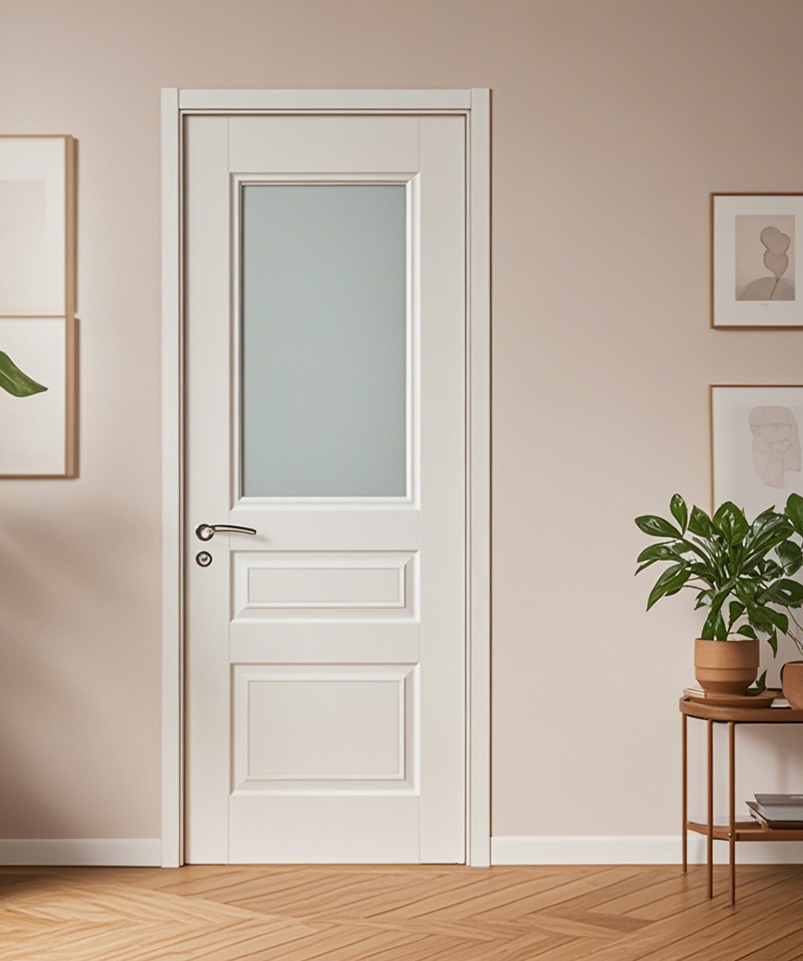
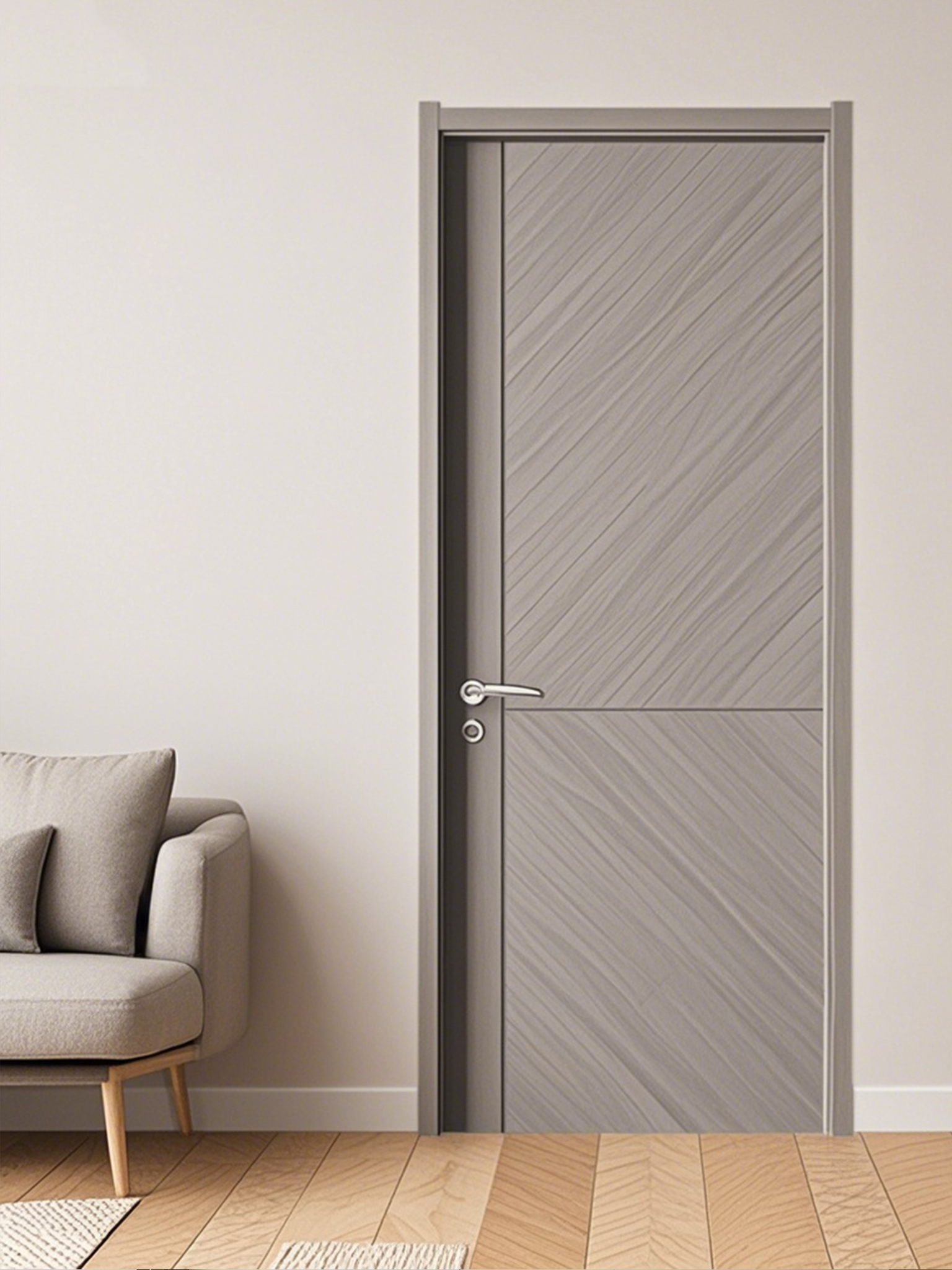
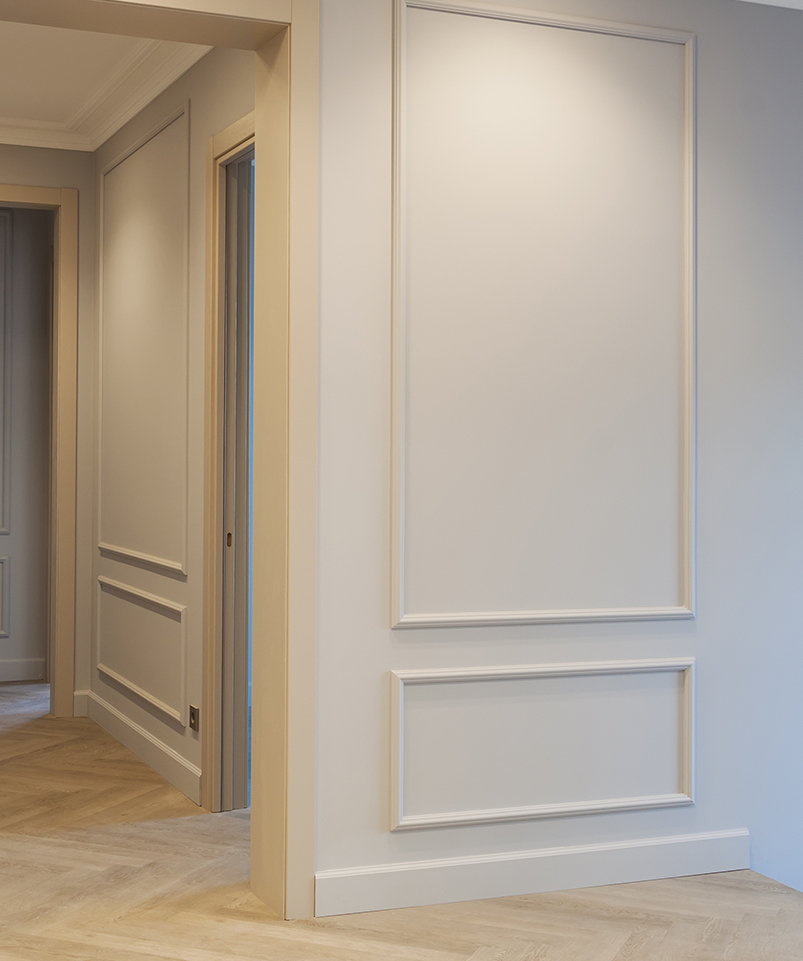
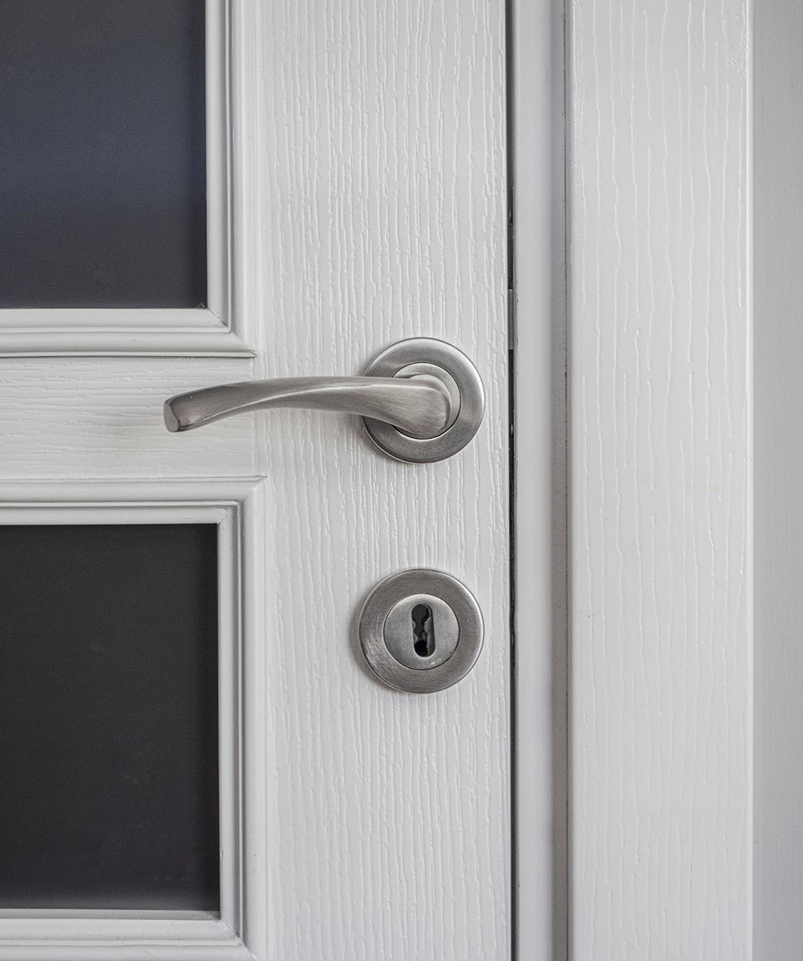
Because the capping-and-core construction separates surface finish from structural design, manufacturers can offer white finishes across a wide range of panel styles — simple flat panels, geometric depressions, and glass-inset designs — without redeveloping the underlying door structure for each one. Zhejiang Optima Door Industry Co., Ltd., operating from Jiangshan in Zhejiang province with more than two decades in door production, produces its PVC panel and interior PVC door lines in white alongside wood-grain and other finish options, giving buyers a way to standardize on white PVC internal doors across several panel designs within the same order.
The consistency question, more than the color itself, is usually what separates a white PVC door line that reads as premium from one that reads as merely white — a distinction that shows up most clearly once panels are installed side by side under the same light.



Copyright@ Zhejiang Optima Door Industry Co.,Ltd. All Rights Reserved.
PVC And WPC Doors Company
