
 English
 русский
 عربى
عربىMelamine Door Factory Industry Operational Analysis
The strategic positioning and daily operations of a Melamine Door Factory are fundamentally shaped by its integrated response to three persistent industry questions. These questions concern the market forces that drive demand, the precise technical parameters that ensure product integrity, and the complex supply chain logistics required for global competitiveness. Successfully navigating these areas allows a Melamine Door Factory to establish itself as a reliable and adaptive supplier within the international interior solutions sector. This operational framework is critical for factories aiming to balance efficiency with quality, and to meet the diverse specifications of projects worldwide. The following analysis details how a contemporary facility addresses these core aspects to maintain relevance and secure its role in the supply chain.
What Market Dynamics Currently Influence Production and Demand?
The production schedule of a Melamine Door Factory is primarily influenced by sustained activity in residential and light commercial construction. Market analysis indicates steady demand for cost-effective, durable interior door solutions that do not compromise on aesthetic flexibility. A modern Melamine Door Factory responds to this by offering an extensive catalog of finishes, from hyper-realistic wood grains to modern matte colors, catering to both traditional and contemporary design specifications. This adaptability is crucial for projects in the hospitality, healthcare, and multi-unit housing sectors, where durability, ease of maintenance, and visual appeal are equally weighted. The inherent properties of melamine—notably its resistance to scratches, moisture, and fading—make the output from a Melamine Door Factory a practical choice for high-traffic environments. Consequently, the ability to anticipate and align production with these architectural and commercial trends is a key determinant of a factory's market share and long-term viability.
How Are Technical Standards and Specifications Applied and Enforced?
Manufacturing consistency within a Melamine Door Factory is governed by a strict adherence to technical standards that define quality and safety. The core lamination process, which bonds resin-impregnated paper to an engineered wood substrate under high pressure and heat, requires precise control over multiple variables. Foremost among regulated specifications are formaldehyde emission levels, with reputable factories certifying their products to meet or exceed international benchmarks such as the E1 standard. The density of the door core, typically specified within a range of 700 to 850 kilograms per cubic meter, directly impacts the final product's structural soundness, acoustic performance, and weight. Furthermore, rigorous in-house testing protocols monitor surface hardness, moisture resistance, dimensional stability, and the load-bearing capacity of hardware mounting points. Compliance is often validated through third-party audits and certifications, which provide objective assurance that the Melamine Door Factory operates within defined quality management systems, ensuring every unit meets expected performance criteria.
What Supply Chain and Procurement Factors Are Essential for Global Trade?
Operating effectively on an international scale requires a Melamine Door Factory to master a complex web of procurement and logistical considerations. Stability in sourcing raw materials—such as medium-density fiberboard, decorative foils, resins, and hardware—is foundational, as price volatility in these commodities directly affects cost structures and pricing. For global buyers, standard engagement involves negotiating clear terms on small order quantities, which often start at full container loads for standard product lines, and establishing firm lead times that account for production and shipping cycles. The logistics phase itself demands strategic planning: specialized packaging is essential to prevent damage during long-distance freight transport, while accurate and complete documentation is critical for smooth customs clearance across different jurisdictions. The proficiency with which a Melamine Door Factory manages this end-to-end process, from raw material procurement through to final delivery, is a definitive factor in its reputation for reliability and its ability to build lasting partnerships with distributors and large-scale project developers overseas.
The sustained operational success of a Melamine Door Factory depends on a synergistic focus on market-responsive production, technically rigorous manufacturing, and logistically sound distribution. By continuously addressing the demands posed by these three pillars, a factory not only secures its position in a competitive landscape but also reinforces the essential role of melamine doors as a versatile and dependable component in global construction and interior finishing projects. The integration of these strategic and operational elements ensures that the Melamine Door Factory remains a pivotal link in the international supply chain for modern building materials.
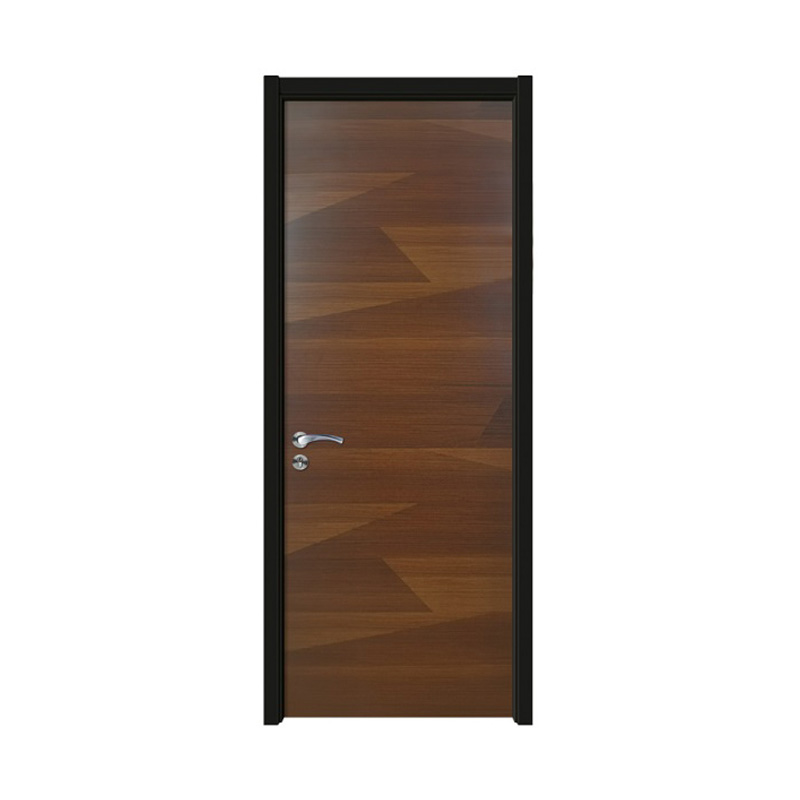
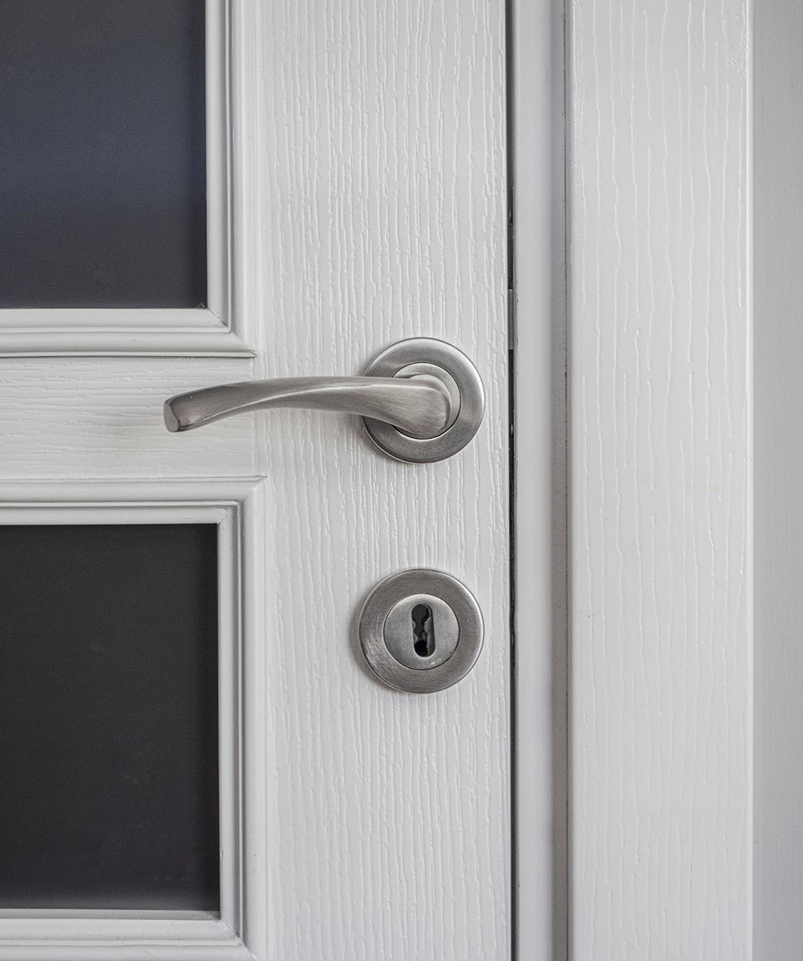
The Black Border Melamine Door from Zhejiang Optima Door Industry Co., Ltd. offers a sleek, contemporary finish with practical durability. Its surface is coated in scratch-resistant melamine, available in smooth or woodgrain textures, framed by a contrasting black border for a defined modern look. The lightweight yet sturdy core ensures stable performance, resisting warping and moisture better than solid wood. Easy to install and clean, it is ideal for interior residential and light commercial use—such as bedrooms, offices, or closets—where a crisp, low-maintenance aesthetic and reliable functionality are both priorities.







Copyright@ Zhejiang Optima Door Industry Co.,Ltd. All Rights Reserved.
PVC And WPC Doors Company
