
 English
 русский
 عربى
عربىLuxury Barn Doors Gain Ground in Modern Interior Design
Interior designers and residential contractors have been specifying luxury barn doors at a noticeably higher rate over recent renovation cycles, a shift that tracks less with rustic farmhouse trends fading and more with barn-style sliding hardware being adopted into higher-end modern and industrial interior schemes that have little in common with the style's agricultural origins.
Sliding Hardware Quality Now Drives Purchasing Decisions More Than Panel Design
Buyers and designers evaluating luxury barn doors increasingly treat the sliding track and roller hardware as the primary quality differentiator, since a beautifully finished door panel paired with cheap hardware develops noise, drag, and alignment problems that undermine the premium positioning the door was meant to convey. Sliding barn door hardware built with sealed roller bearings and a properly weighted track resists the sagging and misalignment that budget hardware develops within a year or two of daily use, and this durability difference is exactly what separates a genuinely premium installation from one that merely looks premium on delivery day.
Material Choice Signals Positioning Within the Luxury Segment
A solid wood barn door commands a different price and positioning tier within the broader luxury barn doors category than a veneer or engineered composite equivalent, and buyers should be explicit with suppliers about which tier they're targeting rather than assuming "luxury barn door" implies solid wood construction by default. Engineered composite cores with a high-quality wood veneer face can achieve a comparable visual result to solid wood at a lower cost and with better dimensional stability against humidity swings, which makes them a reasonable choice for buyers prioritizing consistency across a large multi-unit project over solid-wood authenticity in each individual door.
|
Positioning Tier |
Veneer/Composite Construction |
Solid Wood Construction |
|
Visual result |
Comparable when finished well |
Authentic natural grain and depth |
|
Dimensional stability |
Higher, resists humidity-driven warping |
More prone to seasonal movement |
|
Relative cost |
Lower |
Higher |
|
Suited project type |
Large multi-unit, consistency-focused |
Single-residence, premium positioning |
Custom Sizing Requests Have Increased as Barn Doors Move Beyond Standard Openings
Custom barn door manufacturer requests have grown as designers apply luxury barn doors to openings that don't match traditional standard door dimensions — oversized openings between open-concept living spaces, or unusually narrow openings in renovated older homes. A supplier capable of producing accurate custom dimensions without extending lead time significantly gives buyers more flexibility to specify barn doors for non-standard openings that a fixed-size catalog wouldn't accommodate.
Bracing and Joint Construction Determines Long-Term Panel Stability
A barn door panel's internal bracing — whether built with a Z-brace, K-brace, or full ladder-frame internal structure — affects how well the panel resists warping and racking over years of temperature and humidity cycling, particularly for larger panels used in open-concept spaces where a single oversized door might span an unusually wide opening. Buyers specifying larger-than-standard panels for premium luxury barn doors installations should ask suppliers specifically about internal bracing design rather than assuming standard bracing scales proportionally to larger panel dimensions without adjustment.
The Shift Toward Barn Doors Reflects Broader Space-Planning Trends, Not Just Aesthetics
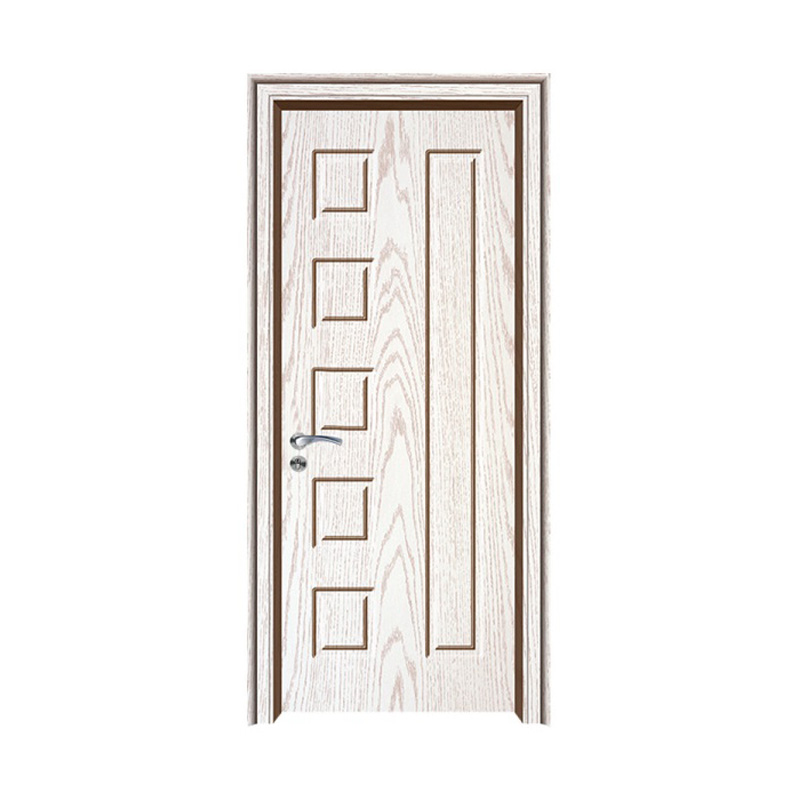
The growing specification of luxury barn doors in renovation projects tracks a broader shift toward flexible, space-efficient room division in homes where swing-door clearance competes with furniture placement and walkway space. This functional driver, more than aesthetic preference alone, explains why barn doors have moved from a niche farmhouse-style accent into a mainstream option considered alongside pocket doors and standard hinged doors during the early planning stage of a renovation, rather than being added later as a stylistic afterthought.
Finish Consistency Across Large Panels Requires Different QC Than Smaller Hardware
A large barn door panel presents more finish surface area than a typical interior door, which means any inconsistency in stain application, grain matching, or veneer seam placement is considerably more visible across a single expansive panel than it would be on a standard-sized door. Manufacturers running dedicated finish inspection specifically calibrated for large-panel surface area — checking stain evenness and seam placement across the full panel rather than using inspection standards developed for smaller doors — catch finish defects that standard-sized door inspection protocols are more likely to miss on a panel this large.
Hardware Maintenance Access Should Factor Into the Original Specification
A sliding track system that performs well on installation day can still develop noise and drag within a year if the hardware doesn't allow for straightforward lubrication and adjustment access once it's mounted. Buyers specifying hardware for luxury barn doors in commercial or hospitality settings, where maintenance staff need to service tracks periodically without removing the entire door assembly, should confirm that the track design allows for this kind of routine access. A track system requiring full disassembly for basic maintenance creates ongoing service costs that erode the value proposition of paying a premium for quality hardware to begin with, and this detail is worth raising with suppliers before finalizing a specification rather than discovering it after installation. This kind of durability planning is part of a broader interior sliding door trend toward treating hardware serviceability as a specification requirement rather than an afterthought.



Copyright@ Zhejiang Optima Door Industry Co.,Ltd. All Rights Reserved.
PVC And WPC Doors Company
