
 English
 русский
 عربى
عربىWhat Should Buyers Verify Before Ordering Indoor PVC Doors?
A distributor stocking doors for a hotel renovation project often assumes that every product labeled PVC will hold up equally well in a humid bathroom corridor and a dry office hallway. In practice, Indoor PVC Doors vary meaningfully in core density, surface film quality, and moisture performance, and buyers who skip verification on these specifics tend to discover the gap only after installation complaints arrive from a project that specified the wrong grade for its environment.
Core Density Determines Weight Tolerance and Sound Performance
Before comparing price across suppliers, buyers should confirm the core density used in a given Indoor PVC Doors line, since this single specification affects both structural rigidity and acoustic performance. A denser core resists warping under humidity swings better than a lightweight foam-core alternative, which matters directly for buyers supplying commercial corridors or hotel rooms where consistent door performance across dozens of units affects a project's total reputation. Buyers should request core density figures specifically rather than accepting a general "durable PVC" description without supporting specification.
Surface Film Quality Affects Long-Term Appearance
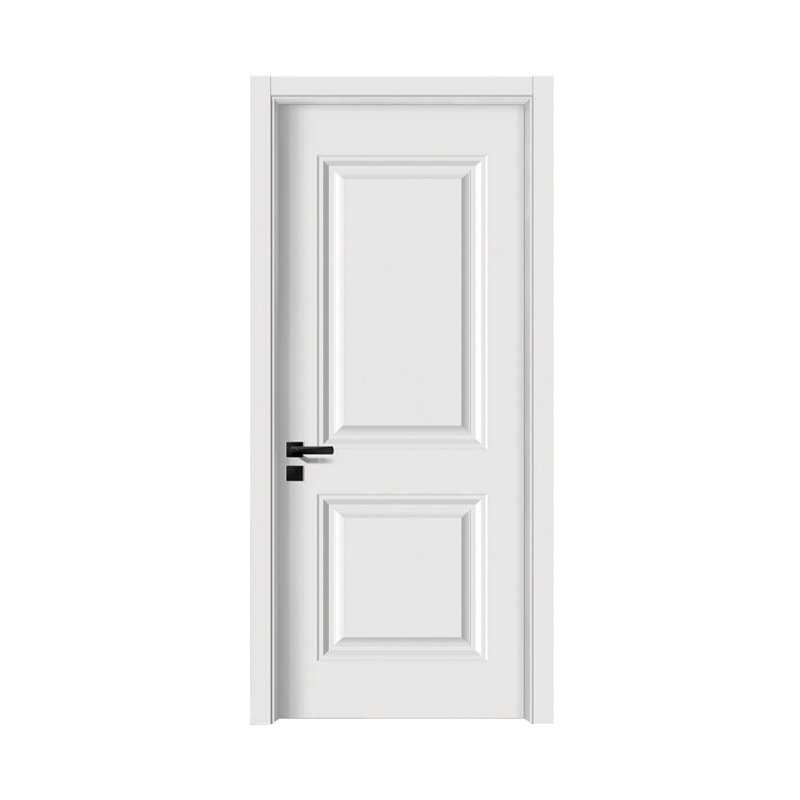
A PVC interior door manufacturer applies a decorative film layer over the door substrate, and the quality and application method of this film determines how well the finish holds up against scratching, fading, and edge peeling over years of daily use. Buyers should ask suppliers whether the film is heat-pressed or laminated, since heat-pressed applications generally bond more securely at panel edges and corners, which are the areas particularly prone to peeling in high-traffic commercial installations. A door that looks identical to a competitor's sample in a showroom can diverge significantly in film durability once installed and subjected to daily contact.
A Sourcing Checklist for Indoor PVC Doors
|
Sourcing Question |
Why It Matters |
|
What is the core density specification? |
Affects structural rigidity and sound dampening |
|
Is the surface film heat-pressed or laminated? |
Determines edge durability and peel resistance |
|
What moisture resistance testing has been performed? |
Confirms suitability for bathrooms and humid areas |
|
Are hardware cutouts pre-machined to standard dimensions? |
Affects installation compatibility across hardware brands |
|
What design and color range is available for bulk orders? |
Matters for buyers matching a consistent project palette |
Moisture Resistance Needs Environment-Specific Verification
A moisture resistant door panel intended for bathrooms, laundry rooms, or humid climates should carry documented performance data specific to sustained moisture exposure, not just a general claim that a Indoor PVC Doors line resists water better than wood. Buyers supplying projects in consistently humid regions should request test data showing how the door performs under sustained humidity rather than a brief splash-resistance demonstration, since long-term dimensional stability under humidity is a different performance question than short-term water contact resistance.
Hardware Compatibility Prevents Installation Delays
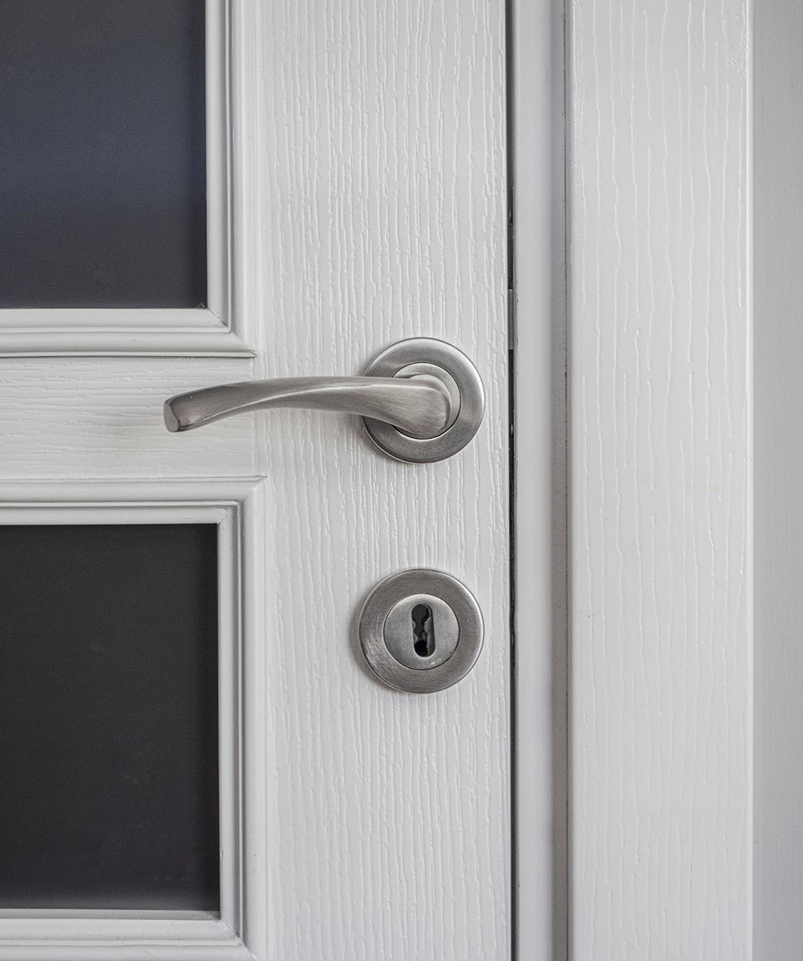
A lightweight PVC door needs hardware cutouts and hinge mortises machined to dimensions that match standard hinge and lockset hardware, since a mismatch discovered during installation creates delays and rework costs that fall on the buyer's project timeline. Buyers sourcing Indoor PVC Doors for projects using hardware from a specific brand or region should confirm cutout dimensions align with that hardware before placing a bulk order, rather than assuming universal compatibility across all suppliers.
Customization and Bulk Supply for Wholesale Distributors
Buyers building a private-label door program should confirm whether a wholesale interior door supplier can accommodate custom sizing, color matching, and glass-panel configurations for their Indoor PVC Doors line without extending production lead time significantly beyond standard catalog orders. Manufacturers running production lines across multiple door categories can typically batch Indoor PVC Doors orders alongside other product lines within a single container shipment, which helps distributors consolidate freight costs when stocking a mixed catalog rather than committing full container volume to a single door style.






Copyright@ Zhejiang Optima Door Industry Co.,Ltd. All Rights Reserved.
PVC And WPC Doors Company
