
 English
 русский
 عربى
عربىBrown UPVC Door Panel Durability Starts With PVC Grade
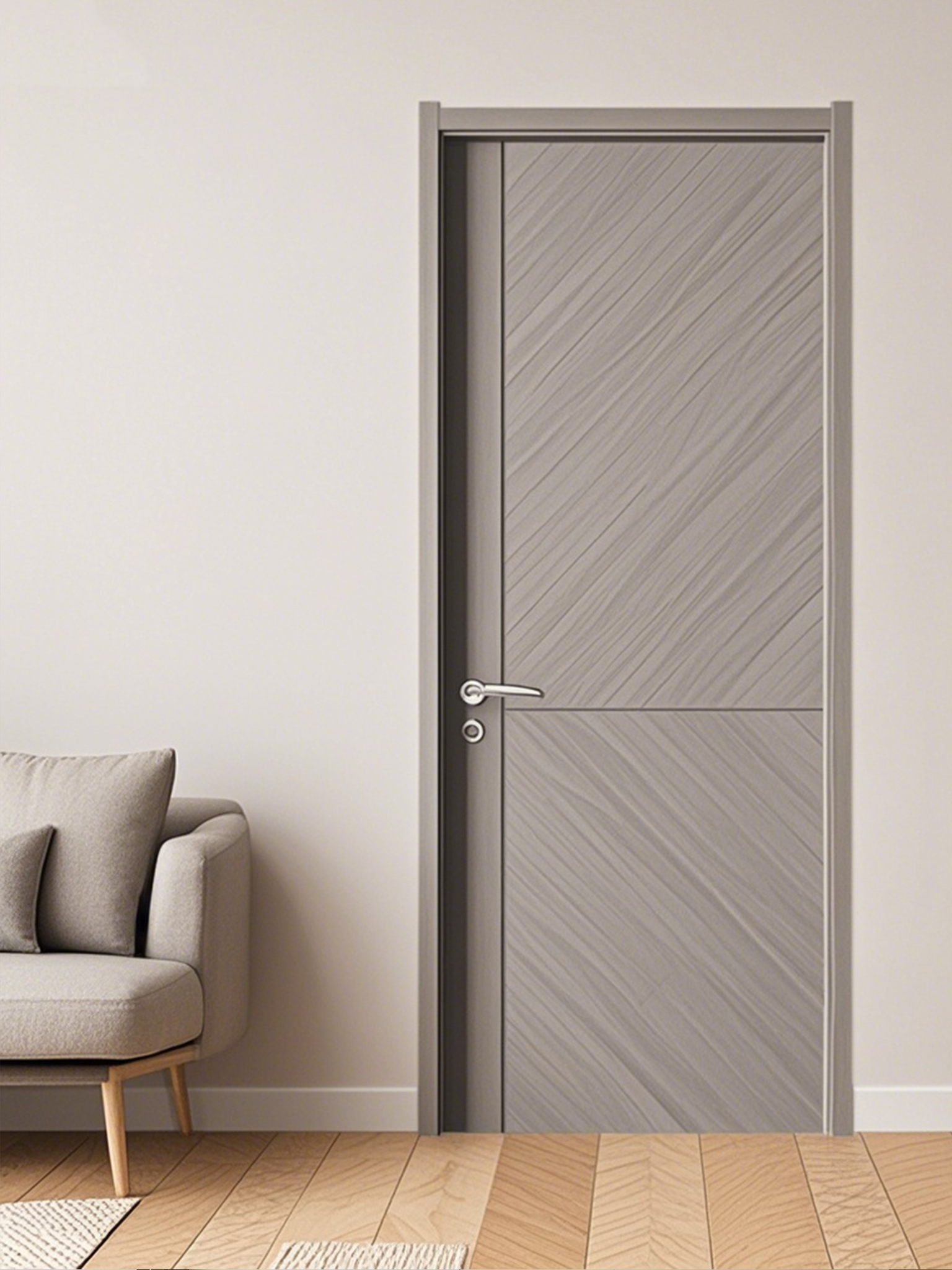
A brown UPVC door panel that looks identical to a competitor's on a showroom sample can behave very differently after a year in a humid bathroom or a sun-facing hallway, and the difference almost always traces back to the grade of PVC resin used rather than anything visible in the color or finish.
Resin Grade Determines Long-Term Color Stability
Brown finishes on a brown UPVC door panel are especially sensitive to UV degradation compared to lighter colors, since darker pigments absorb more heat and light energy across repeated sun exposure. A panel built from a lower-grade PVC resin without adequate UV stabilizer can fade or develop a slightly uneven tone within a couple of years in a sun-exposed installation, while a properly stabilized resin holds its brown tone considerably more evenly across the panel surface over the same period. Buyers sourcing for regions with intense sun exposure should ask suppliers specifically about UV stabilizer content rather than assuming all UPVC formulations perform equally.
Waterproof Performance Depends on More Than the Base Material
PVC itself resists water absorption, but a brown UPVC door panel's actual waterproof performance in a bathroom or kitchen installation depends heavily on how seams and edges are sealed during assembly, since water intrusion at a poorly sealed edge can eventually affect the internal structure even when the face material itself is fully waterproof. A waterproof PVC door built with properly fused edge seams resists moisture intrusion at these vulnerable points considerably better than one relying on the base material's water resistance alone. Buyers specifying panels for high-moisture installations should ask how edge sealing is handled specifically, not just whether the base material is described as waterproof.
|
Construction Factor |
Standard-Grade PVC |
UV-Stabilized, Edge-Sealed PVC |
|
Color stability under sun exposure |
Fades unevenly over 1-2 years |
Holds consistent tone longer |
|
Edge moisture resistance |
Depends on base material alone |
Reinforced through sealed seams |
|
Suited installation |
Low-sun, low-moisture interior |
Bathrooms, kitchens, sun-facing entries |
|
Relative unit cost |
Lower |
Moderately higher |
Color Consistency Across a Bulk Order Requires Batch-Level Checks
PVC door color consistency across a large brown UPVC door panel order depends on the pigment batch used during production, and even small variations in pigment mixing between production runs can create a noticeable shade mismatch when panels from two different batches end up installed side by side in the same project. Buyers placing large volume orders — particularly for hospitality or multi-unit residential projects where visual consistency across many doors matters — should request that an entire order draws from a single pigment batch, or at minimum ask suppliers to confirm batch-matching procedures before production begins.
Core Structure Affects Weight and Installation Handling
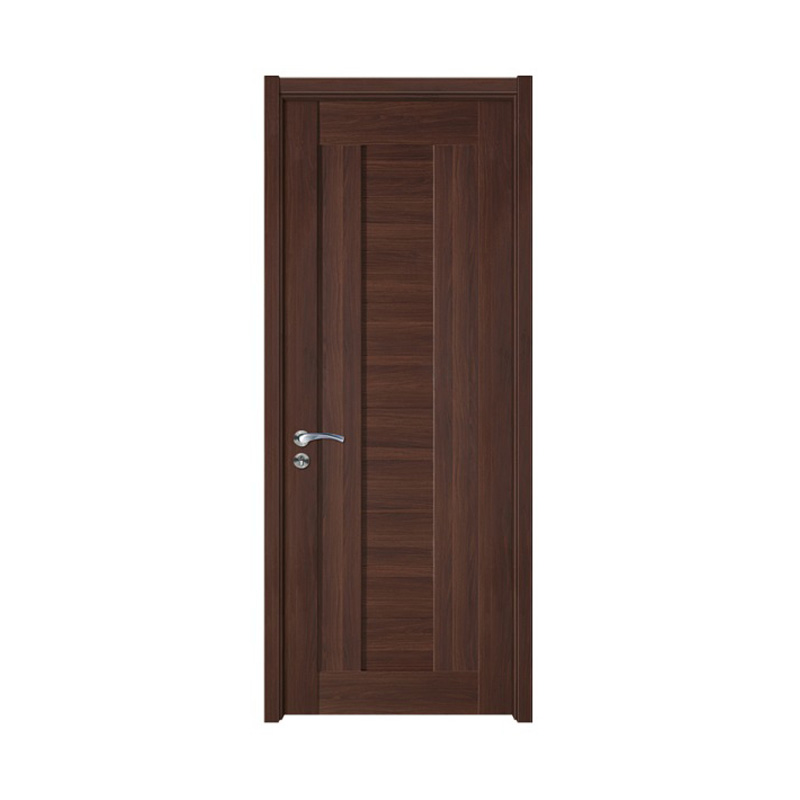
A brown UPVC door panel built around a foam or honeycomb core weighs considerably less than a solid-core equivalent, which matters directly for installation labor and shipping cost on large orders, though the tradeoff is somewhat reduced sound insulation compared to a denser core structure. Buyers should match core structure to the actual project priority — lightweight and cost-efficient for high-volume installations where sound insulation matters less, or a denser core for projects where noise reduction between rooms is a stated requirement.
Customization Requests Concentrate Around Panel Depth and Surface Texture
Buyers requesting private-label or project-specific variations commonly ask for adjustments to panel depression depth and surface texture pattern rather than entirely new panel geometries. An OEM door panel manufacturer capable of adjusting these details from an existing mold family typically turns around custom requests faster than one treating every texture variation as a new tooling project, and buyers should confirm which texture and depth variations are achievable without new mold investment before finalizing a custom order.
Moisture-Resistant Certification Should Specify Actual Test Conditions
A moisture-resistant interior door claim for a brown UPVC door panel should be backed by documentation specifying the actual humidity and exposure conditions used during testing, since a panel validated under moderate humidity conditions doesn't necessarily perform the same way in a consistently high-humidity climate. Buyers importing into humid coastal or tropical markets should request test data reflecting conditions closer to their actual installation environment rather than accepting a general moisture-resistance claim without supporting test parameters.
Production Consistency Across a Multi-Style Catalog Requires Separate Tooling Discipline
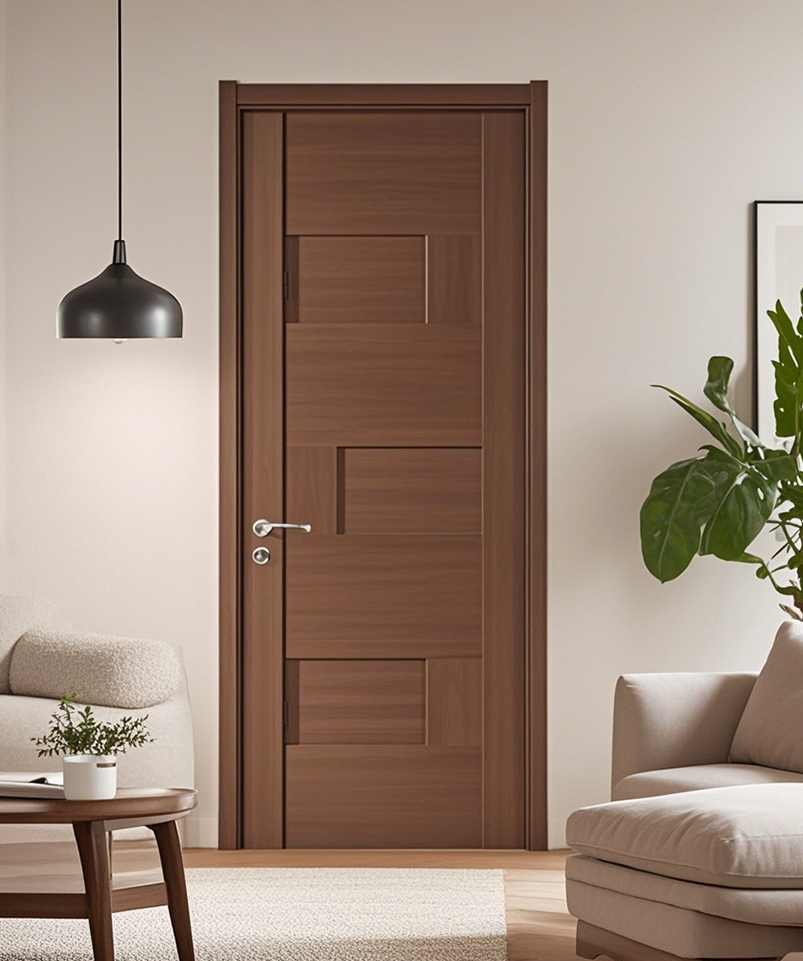
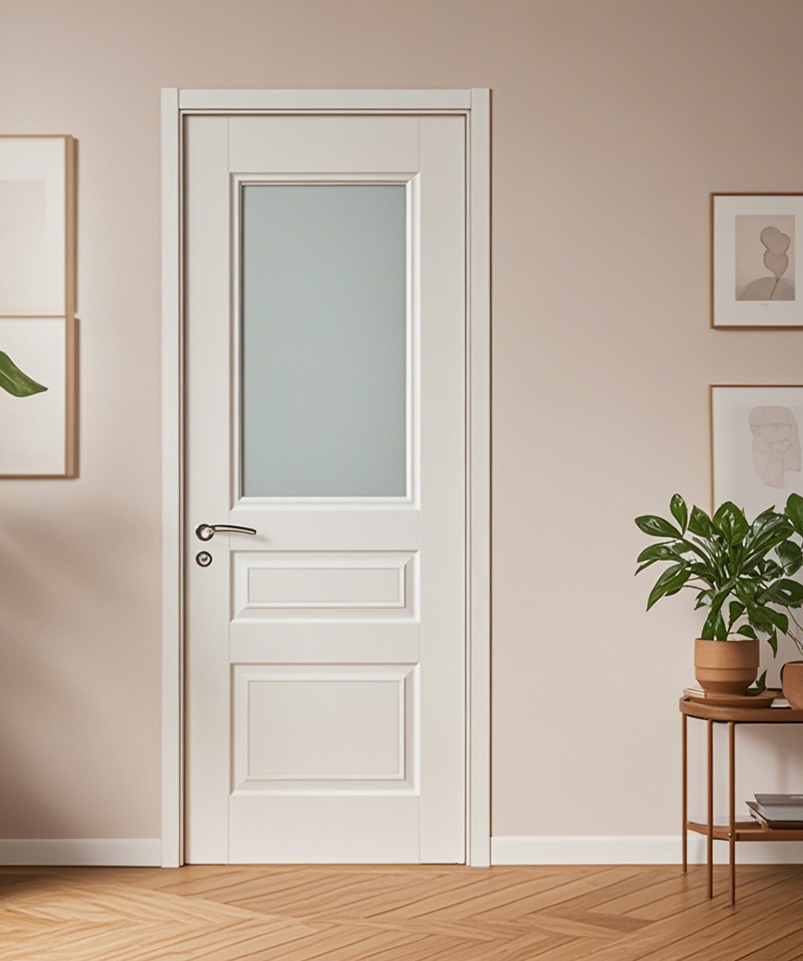
A supplier producing dozens of distinct panel styles — geometric depressions, layered designs, glass-inset variants — needs consistent tooling discipline across every mold in the catalog, since a single worn or poorly maintained mold can introduce dimensional inconsistency into an otherwise reliable product line without affecting the rest of the catalog. Buyers standardizing on one supplier across multiple panel styles for a large project should ask how tooling maintenance is scheduled across the full mold inventory, rather than assuming consistent quality on one style guarantees the same standard across every other style in the catalog.



Copyright@ Zhejiang Optima Door Industry Co.,Ltd. All Rights Reserved.
PVC And WPC Doors Company
