
 English
 русский
 عربى
عربىPVC Door Factory Technology Drives Market
The global demand for durable, energy-efficient, and low-maintenance doors has made the PVC door factory an important position in the modern building supply chain. These special facilities are not simple assembly plants but a project that combines creativity, precision engineering and automation. The key factors driving the current PVC door factory are associated with its advanced manufacturing technology, its position in the competitive global market, and various applications.
What Are the Key Technologies in Manufacturing?
At the heart of the PVC door factory is the extrusion process. A mixture of rigid PVC, curing agent and curing agent, heated and pressed through a metal die to create special composites for the construction of door frames and frames. In many buildings, these structures are designed to improve energy efficiency and thermal efficiency, often achieving reinforcement values (R-values) that meet building code requirements. After exposure, the fillers are cut and fitted using a computer-controlled machine, ensuring that the surface is superbly consistent. The primary source of value is the use of decorative materials or laminates by automated machines, which can finish solid wood elements or colors. Finally, the assembly line integrates hardware, glazing and seals. Today, PVC door factories are using automation for tasks like hardware milling and gasket installation, with some advancements that can produce complete doors in minutes.
How Is the Market Landscape Structured?
The PVC door factory operates in a large and diverse global market. Production is centralized, with a large part of the world’s production coming from production hubs in Europe and Asia. The market is characterized by large system providers with complete door and window systems and many smaller regional operators. This is expected to continue to grow, supported by global construction projects and innovations, with some analysts predicting that the PVC door and window segment could reach a market value of tens of billions of dollars in the next five to seven years. Competition drives innovation in data modeling for energy efficiency and industrial processes to reduce costs. A successful PVC door factory must balance technical and performance standards, from higher waste in marine areas to higher safety in urban areas.
What Are the Primary Product Applications?
PVC door factory’s products serve a variety of residential, commercial, and industrial purposes. In residential construction, PVC door veneer materials are popular for exterior walkways, patio doors, and interior hallway doors due to their predominant durability and low maintenance. Its main use is in hot environments like bathrooms and kitchens, where the resistance to wear and tear of the material is the primary benefit. On the commercial side, PVC door manufacturers produce complex systems for hotels, hospitals, and offices, often with a focus on fire and soundproof systems. Includes sliding doors for versatility, fold-and-slide doors for larger rooms, and industrial-style doors for cleanrooms or storage. These types of applications create potential solutions in the PVC door factory using different profiles, glazing types, and hardware packages.
The development of the PVC door factory has increasingly aligned with sustainability. The checkpoints are working on procedures to return the equipment to the extraction system, with the aim of using packaging materials. Moreover, improved manufacturing processes for triple glazing and coatings directly contribute to lower energy costs in manufacturing. With construction industry and environmental responsibilities prioritized worldwide, the modern PVC door factory stands as an important milestone in the creation of sustainable building envelopes.
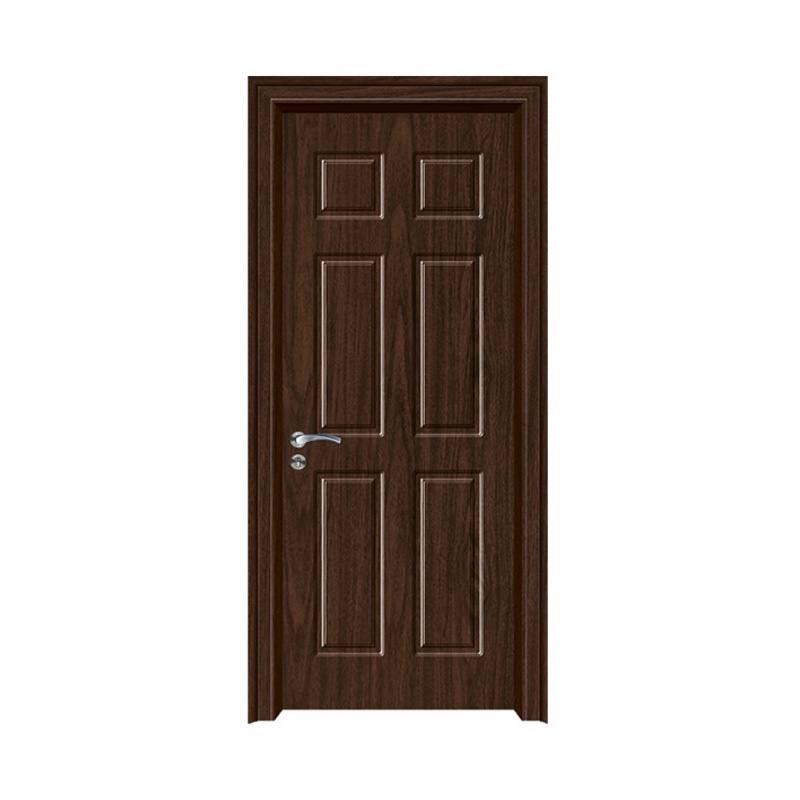
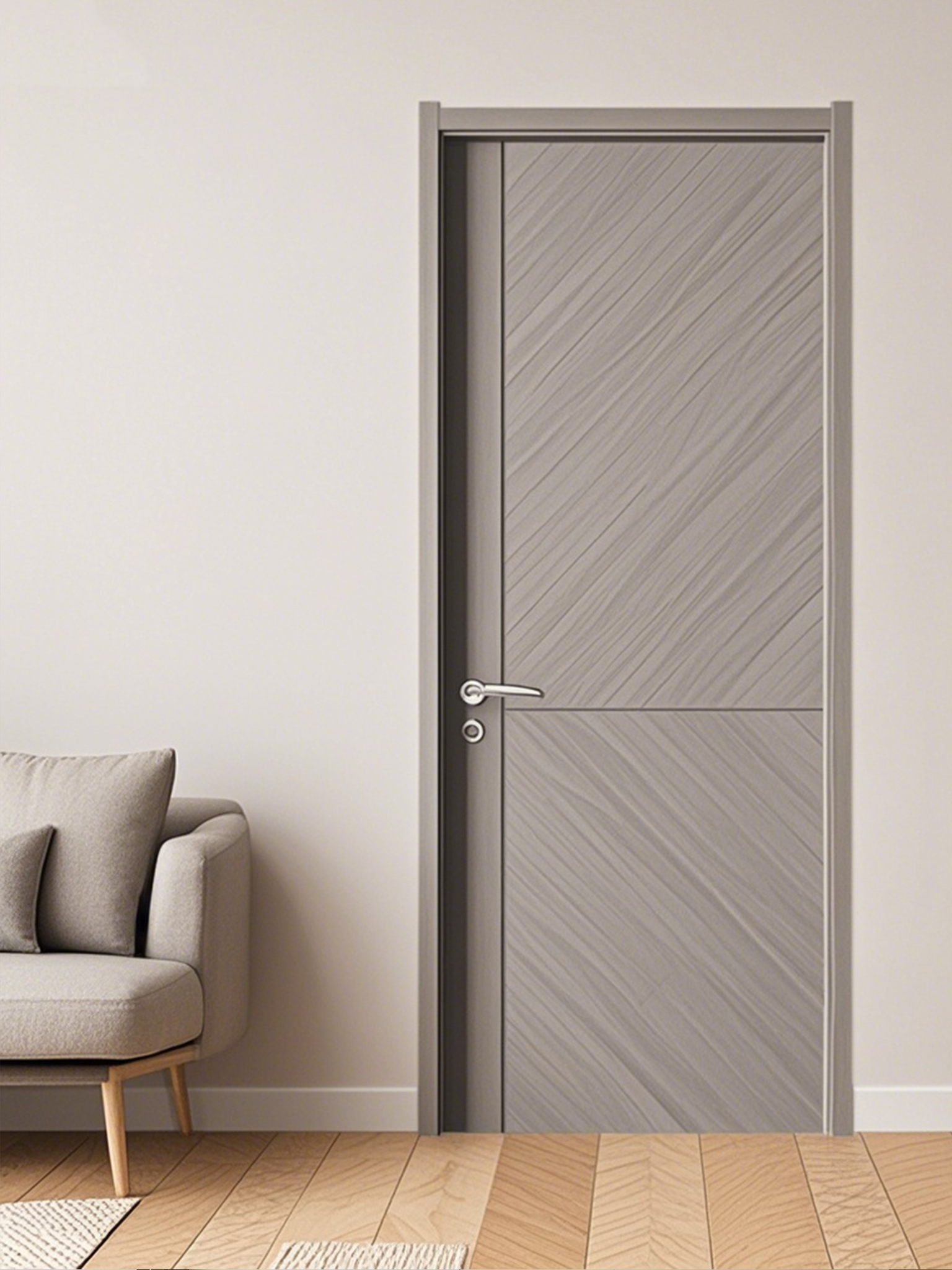
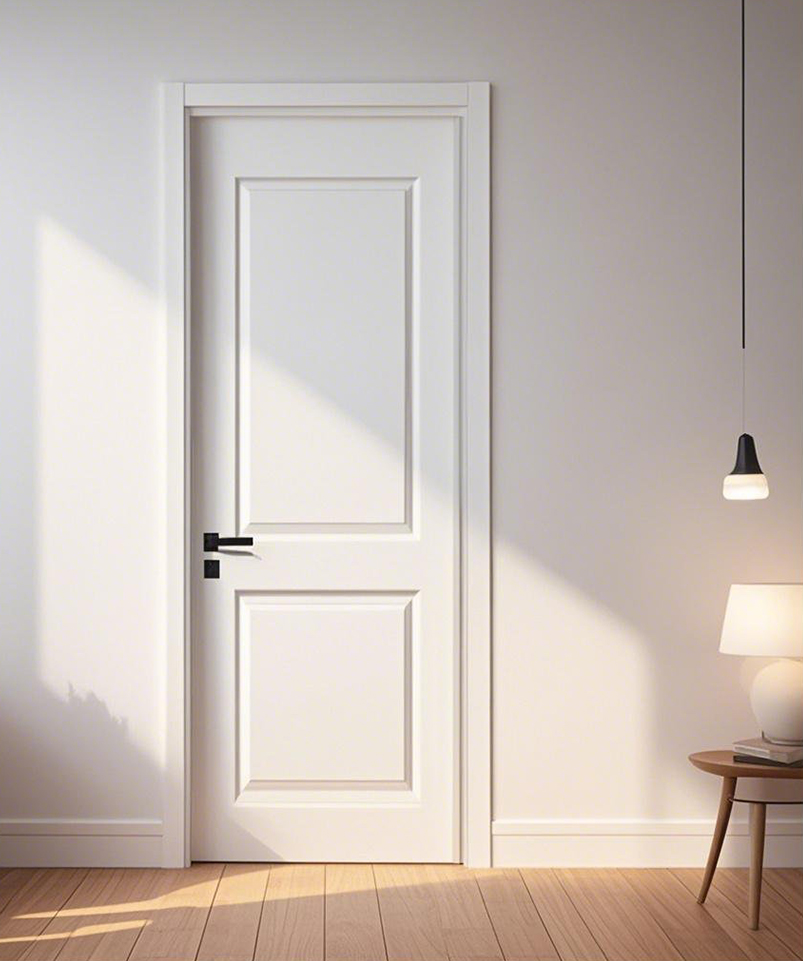
For a modern and bold interior statement, consider the Dark Symmetrical Rectangle Interior PVC Door from Zhejiang Optima Door Industry Co.,Ltd. This door features a sleek, dark finish and a balanced rectangular design, creating a contemporary focal point for any room. Constructed from durable PVC, it offers outstanding resistance to moisture, warping, and everyday wear, making it a practical choice for bedrooms, bathrooms, or internal partitions. Its symmetrical aesthetic provides a clean, tailored look, combining stylish design with the low-maintenance and longevity benefits of high-quality PVC materials.



Copyright@ Zhejiang Optima Door Industry Co.,Ltd. All Rights Reserved.
PVC And WPC Doors Company
