
 English
 русский
 عربى
عربىHow Does Solid Panel PVC Door Resist Moisture Damage?
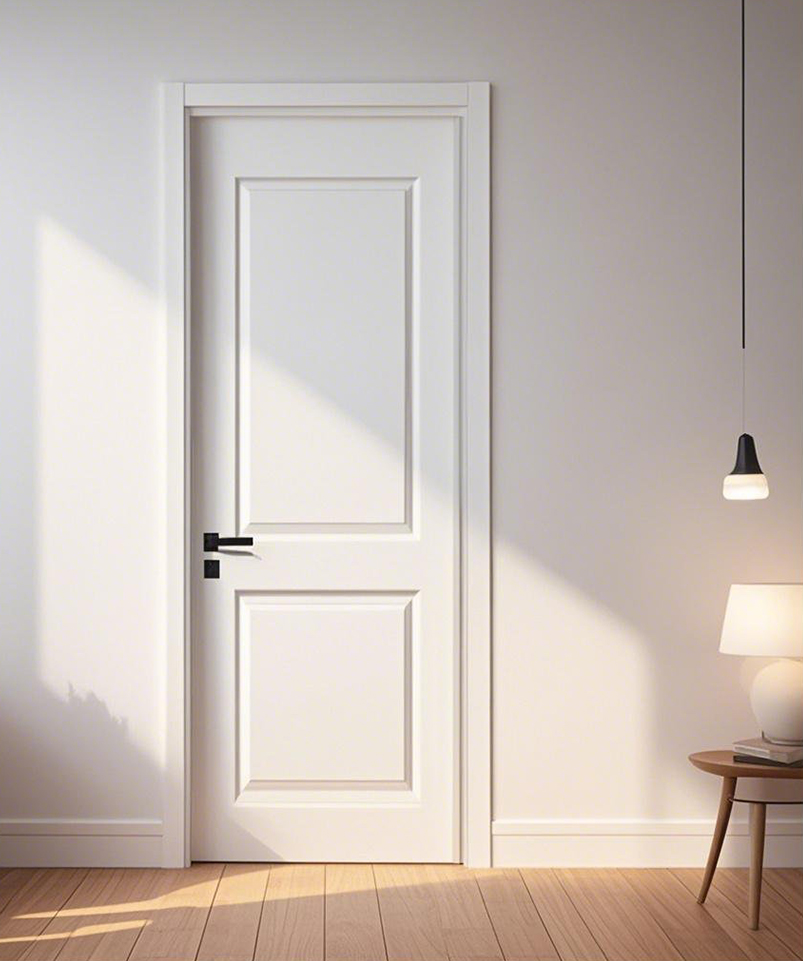
Contractors specifying interior doors for bathrooms, laundry rooms, and commercial kitchens increasingly move away from traditional wood-core doors toward PVC alternatives once callback rates for swelling and warping become a recurring cost center. A solid panel PVC door built with fully solid core construction rather than a hollow or foam-filled interior addresses moisture-related failure points that wood composite doors struggle with in consistently humid environments.
Core Construction And Water Resistance
Unlike wood composite doors, where moisture can penetrate through exposed edges and gradually swell the internal fiberboard core, a solid panel PVC door uses a continuous polymer material throughout the door's thickness, eliminating the porous wood fiber structure that absorbs and retains moisture over repeated humidity exposure. This solid construction approach means the door's dimensional stability holds up across seasonal humidity swings that would gradually distort a wood-core equivalent installed in the same environment.
Manufacturers producing these doors control polymer density consistency throughout the panel during the extrusion or molding process, since inconsistent density creates weak points where moisture could theoretically find a path into the door's interior structure over an extended service life. Factories run quality checks on PVC core density sample cross-sections from finished panels, confirming uniform material distribution rather than relying solely on surface inspection to verify internal consistency.
Surface Finish And Long-Term Durability
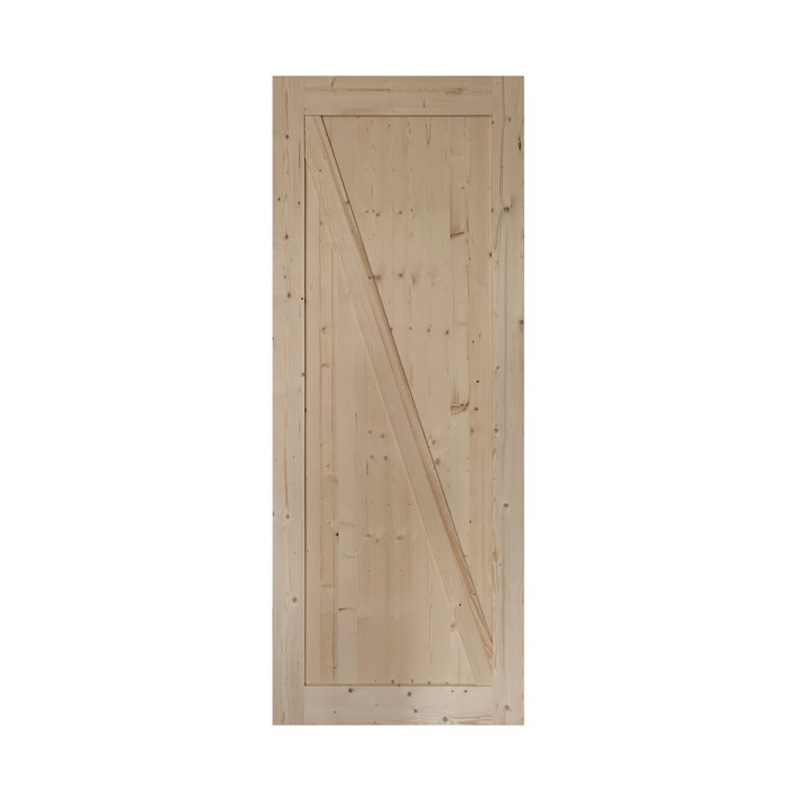
Surface texture and coating on a solid panel PVC door affect both aesthetic appeal and practical performance in high-moisture environments, since a poorly sealed surface finish could allow water infiltration at micro-level surface imperfections even when the underlying core material itself resists moisture absorption. Manufacturers applying wood-grain textured finishes to PVC doors need coating formulations that maintain water resistance while still achieving the visual texture buyers expect from a decorative door surface matching traditional wood aesthetics.
Wood grain texture application methods vary between manufacturers, with some using an embossed pattern pressed directly into the polymer surface during molding and others applying a separate textured film layer bonded to the door's exterior surface. Embossed texture generally shows better long-term wear resistance since the pattern exists within the material itself rather than as a separate layer that could eventually peel or delaminate after years of cleaning and handling in a commercial or residential setting.
Fire Resistance And Building Code Compliance
Commercial buildings often require door assemblies meeting specific fire resistance ratings, and manufacturers producing a solid panel PVC door for commercial applications formulate polymer compounds with fire-retardant additives that slow flame spread and smoke generation compared with standard PVC formulations used in non-rated applications. Building code officials reviewing door specifications for commercial permits check documented fire testing results against the specific rating requirement for the door's intended installation location within a building's fire safety plan.
Fire rating certification requires testing at accredited facilities following standardized protocols, and manufacturers maintaining current certification documentation for their PVC door product lines give contractors and architects confidence that specified doors will pass inspection during commercial building permit review without requiring additional testing or documentation gathering during an active construction timeline.
Weight And Installation Considerations
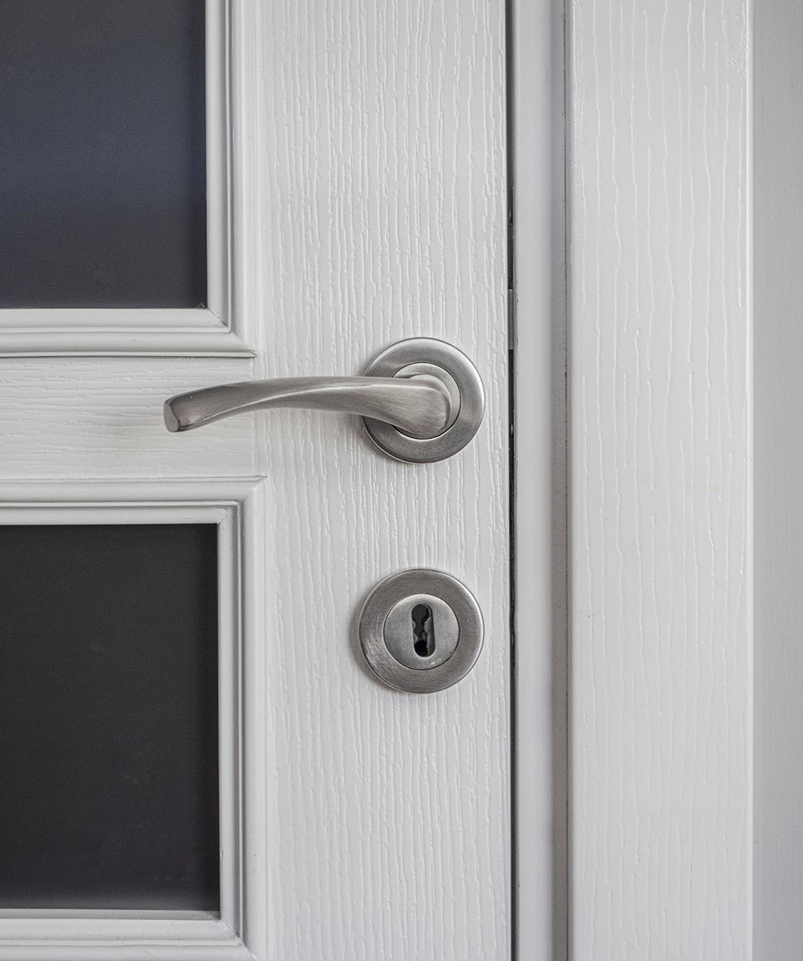
Solid polymer construction adds weight compared with hollow-core door alternatives, and installers working with a solid panel PVC door account for this added weight when selecting hinges and door frame hardware rated for the heavier load these doors place on mounting points compared with lighter hollow-core designs. Undersized hinges installed on a solid PVC door risk premature hardware failure or door sag over time, a problem that surfaces gradually rather than immediately after installation, making proper hardware sizing an important detail contractors verify before finalizing door hanging specifications.
Sourcing Considerations For Commercial And Residential Buyers
Buyers sourcing a solid panel PVC door for large-scale commercial projects or residential renovation programs increasingly request moisture resistance testing documentation alongside fire rating certification, treating both specs as baseline requirements for bathroom, kitchen, and other high-humidity installation locations rather than optional upgrades considered only after standard wood-core options fail to meet project durability requirements.
Lead time and finish consistency across bulk orders round out the sourcing checklist for contractors managing multi-unit projects, since a hospitality or multifamily housing development installing dozens or hundreds of identical doors needs color and texture matching across the full order rather than accepting batch-to-batch variation that would create a visibly inconsistent finished product across adjacent units. Suppliers producing these panel doors at scale run color consistency checks across production batches, comparing finished panels against a reference standard before releasing completed orders for shipment to construction sites where installation crews expect uniform appearance across every door in a large multi-unit order.




Copyright@ Zhejiang Optima Door Industry Co.,Ltd. All Rights Reserved.
PVC And WPC Doors Company
