
 English
 русский
 عربى
عربىDo Solid Panel PVC Door Products Meet Commercial Fire Codes?
Architects specifying door assemblies for hotels, hospitals, and multifamily housing projects need documented fire performance data before a solid panel PVC door earns a place on a commercial building's approved materials list. Fire safety compliance for these products involves testing protocols and certification tracking that go considerably beyond a general durability claim, and buyers increasingly scrutinize this documentation before finalizing large-volume orders for regulated construction projects.
Fire Testing Protocols And Rating Categories
Fire door assemblies undergo standardized testing measuring how long a door assembly resists flame penetration and structural collapse under controlled fire exposure conditions, with rating categories typically expressed in time increments reflecting the door's tested resistance duration. Manufacturers producing a solid panel PVC door for fire-rated applications formulate the polymer core with specific flame-retardant additive packages calibrated to achieve the targeted rating category, since a formulation adequate for a lower rating tier may fail testing requirements for a higher-duration fire resistance classification.
Testing occurs at accredited independent laboratories following recognized national or international protocols, and manufacturers submitting doors for certification provide complete assembly specifications including frame hardware, since fire rating certification applies to the complete door assembly rather than the door panel evaluated in isolation from its frame and hardware components.
Smoke Generation And Toxic Gas Considerations
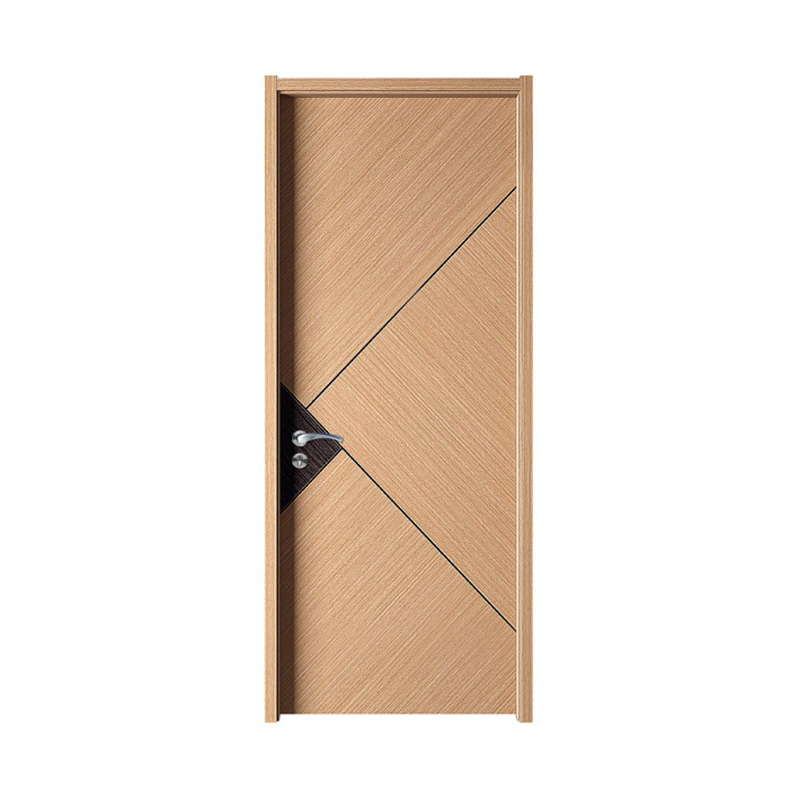
Beyond flame resistance duration, fire safety codes increasingly address smoke generation and toxic gas emission during combustion, since smoke inhalation causes more fire-related fatalities than direct flame contact in many documented building fire incidents. A solid panel PVC door formulated with attention to smoke density testing produces less obscuring smoke during combustion than a standard formulation lacking this specific consideration, supporting safer building evacuation during an active fire event where visibility through smoke-filled corridors directly affects occupant survival chances.
Manufacturers balancing flame resistance additives against smoke generation characteristics run combined testing evaluating both properties together, since optimizing purely for flame resistance duration without considering smoke output could produce a door meeting basic fire rating requirements while still generating hazardous smoke levels during an actual fire event.
Hardware Integration And Assembly Certification
Door hardware, including hinges, closers, and latching mechanisms, factors directly into a fire door assembly's certification, since hardware failure during fire exposure could compromise the door's ability to maintain its rated barrier function even if the door panel material itself continues resisting flame penetration successfully. Manufacturers supplying a solid panel PVC door for fire-rated commercial installations specify compatible hardware tested alongside the door panel during the original certification process, rather than leaving hardware selection to installers who might inadvertently pair a certified door with uncertified hardware, compromising the assembly's fire rating.
Self-closing mechanisms carry particular importance for fire door assemblies, since a door propped open during normal building operation provides no fire barrier protection regardless of the door panel's inherent fire resistance rating. Building code inspectors reviewing installed fire door assemblies check self-closing hardware function during routine inspections, flagging non-compliant installations where hardware modification or damage has compromised the door's ability to close and latch automatically following normal use.
Documentation And Ongoing Compliance Tracking
Building owners maintaining fire-rated door assemblies need accessible certification documentation available during periodic fire safety inspections, and manufacturers producing solid panel PVC door products for commercial markets increasingly provide permanent labeling on each door indicating its certified rating alongside supporting documentation packages building owners retain for inspection purposes throughout the door's installed service life.
Certification labels affixed during manufacturing need to remain legible and intact for the door's full service life, since a fire inspector unable to verify a door's certified rating through visible labeling may require the building owner to provide alternative documentation proving compliance, adding administrative burden to an inspection process that should otherwise stay routine for a properly certified installation.
Sourcing Certified Products For Regulated Construction
Contractors bidding on commercial projects requiring fire-rated door assemblies increasingly request full certification documentation from suppliers before including a solid panel PVC door product in their project bid, avoiding the schedule risk that comes from discovering documentation gaps after doors have already been ordered and installed on an active construction timeline.
Supply chain reliability adds another layer to this sourcing process, since a project requiring dozens or hundreds of certified fire-rated doors needs a manufacturer capable of maintaining consistent certification compliance across an entire bulk production run rather than passing initial certification testing on a small sample batch while later production drifts from the certified formulation. Buyers increasingly request batch-level quality documentation confirming each production run continues meeting the original certified specification, treating ongoing compliance verification as an extension of the initial certification process rather than a one-time approval that automatically covers every subsequent production batch indefinitely.








Copyright@ Zhejiang Optima Door Industry Co.,Ltd. All Rights Reserved.
PVC And WPC Doors Company
