
 English
 русский
 عربى
عربىBlack Border Melamine Door Relies on Overlay Alignment
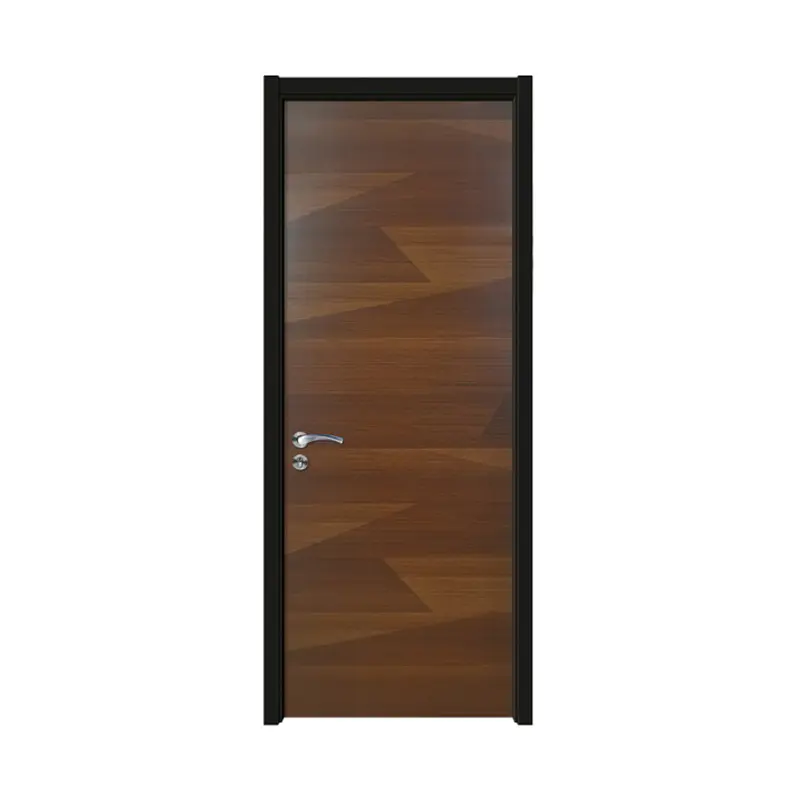
A single-color melamine surface only has to be consistent with itself. A black border melamine door has a harder job: the dark trim around the edge has to line up precisely against the lighter field it surrounds, on every panel in a production run, or the contrast that makes the design work starts to look uneven instead of intentional.
Why a Contrast Border Is Harder Than a Single Color
Melamine doors get their surface from a resin-coated decorative overlay applied to an engineered wood core, and a single-color overlay only needs consistent coverage to look correct. A black border melamine door instead requires two distinct color zones to meet at a clean, straight line, which means overlay registration — how precisely the printed or laminated material aligns to the panel edge — becomes a production variable that a solid-color door simply does not have to manage.
Core Construction Behind the Two-Tone Look
Underneath the surface, the construction is the same as any melamine door: an MDF or particleboard core chosen for dimensional stability, topped with a thermosetting melamine resin coating for scratch and heat resistance. What changes for a black border melamine door is how the overlay is applied over that core — often as two separate color regions bonded during the same pressing cycle rather than a single uniform sheet, since the border and field need to be positioned relative to each other before the resin sets.
Keeping the Border Line Straight at Volume
A slightly shifted overlay is far more visible on a black border melamine door than on a single-color panel, since even a millimeter of misalignment along a contrasting edge draws the eye in a way that a uniform surface never would. Manufacturers producing this style at scale generally treat border alignment as a dedicated inspection point separate from general surface quality, checking edge-to-edge consistency across a full batch rather than relying on random sampling the way a solid-color run might.
Where a Dark Border Changes a Room's Read
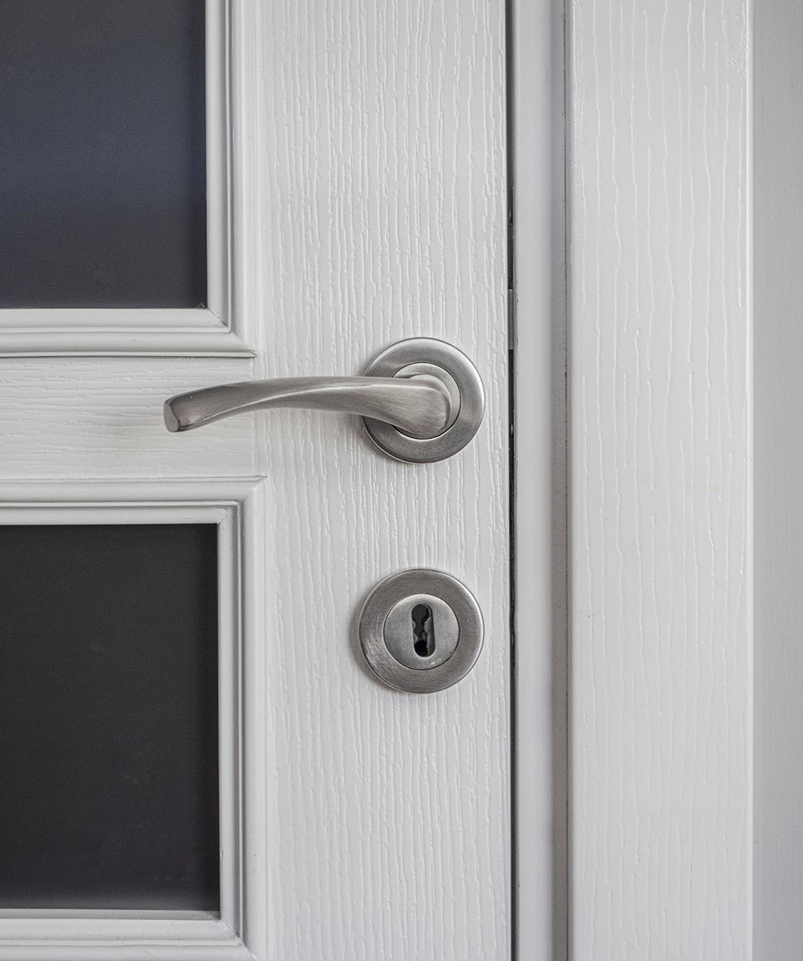
The visual effect of a dark border framing a lighter panel tends to read as more defined and architectural than a flat single-tone door, which is part of why this style shows up frequently in modern residential interiors and commercial spaces aiming for a crisper, more graphic look. A black border melamine door also pairs differently with hardware and trim than a solid-color equivalent, since dark-finished handles and hinges can echo the border rather than contrast against a single flat surface.
Adjusting the Look Without Changing the Core
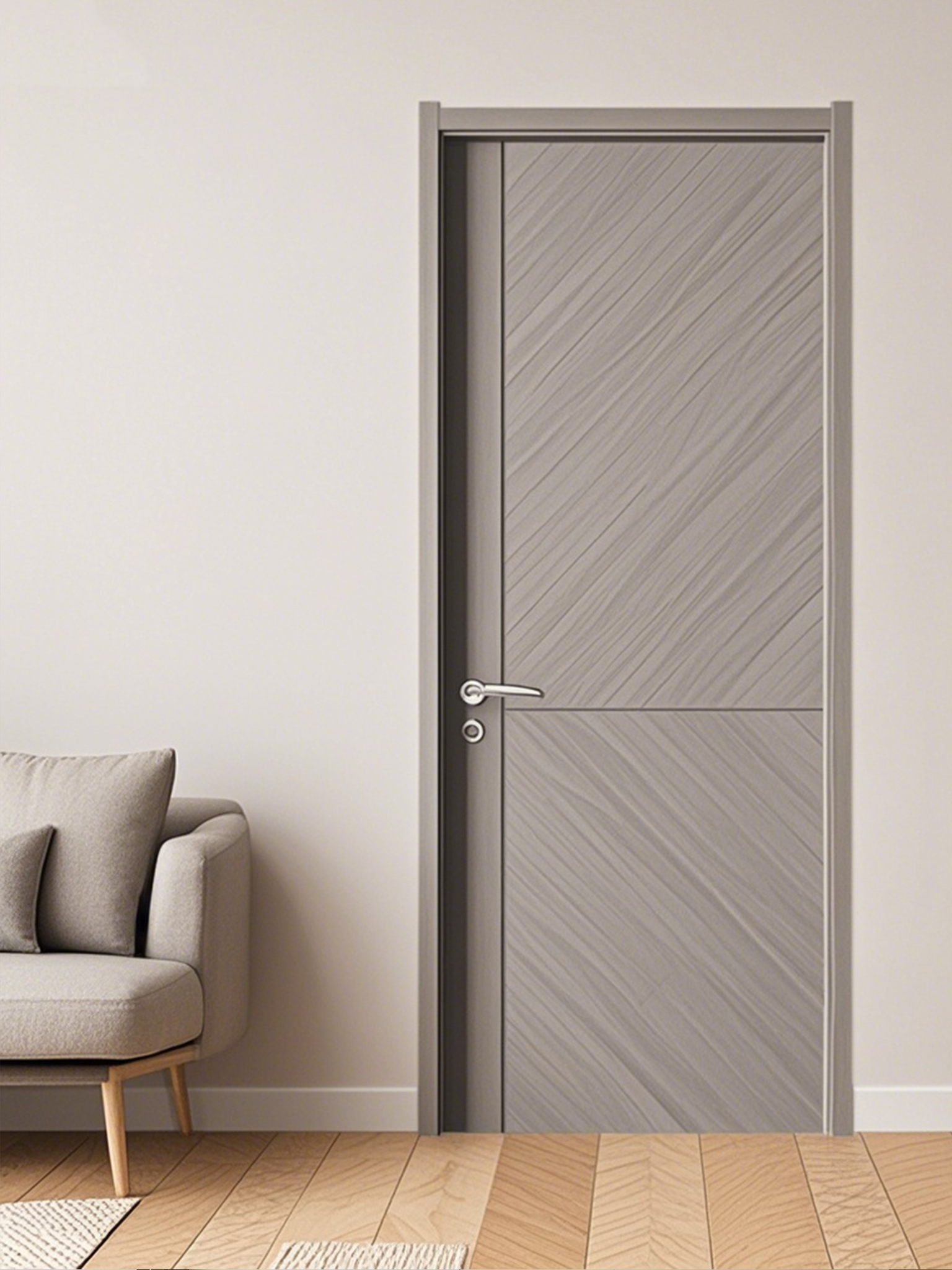
Because the border-and-field construction sits at the overlay level, the same core and pressing process used for this design can generally support other border widths or contrasting color pairs without altering the underlying panel structure. This is one reason a black border melamine door design can often be adapted to a buyer's preferred accent color without requiring a new core specification or a different pressing setup. Zhejiang Optima Door Industry Co., Ltd., producing melamine doors from its Jiangshan facility in Zhejiang province, includes this style within a broader melamine range spanning single-tone, diagonal-texture, and arch-pattern designs built from the same core and coating approach.
What Buyers Typically Compare
For distributors and specifiers sourcing this style, useful comparison points include border width consistency across a sample set, overlay-to-core bonding quality at the panel edge, core density relative to the intended traffic level, and how the dark border finish is expected to coordinate with hardware finishes buyers plan to pair it with. Buyers ordering across a multi-unit project can also request a physical sample panel checked against border alignment specifically, since photographs of a single well-aligned black border melamine door unit do not necessarily reflect how tightly a full production batch holds that same tolerance.



Copyright@ Zhejiang Optima Door Industry Co.,Ltd. All Rights Reserved.
PVC And WPC Doors Company
