
 English
 русский
 عربى
عربىInterior Door Materials Expand Beyond Traditional Wood
Interior door design has developed beyond the traditional distinction between solid wood and hollow-core products. Across residential and commercial interiors, manufacturers now work with a wider range of materials and surface treatments, including MDF, wood veneer, PVC finishes, and WPC. These options have broadened the appearance and construction choices available in the interior door market, and a Solid Wood Door Factory today typically sits alongside these adjacent categories rather than apart from them.
The phrase Solid Wood Door Factory remains associated with a long-established part of the industry, but the wider market includes products that combine wood-based components with different finishing methods. As a result, "wooden door" is often used as a general description rather than a precise indication of construction.
Wood Appearance Does Not Always Indicate Construction
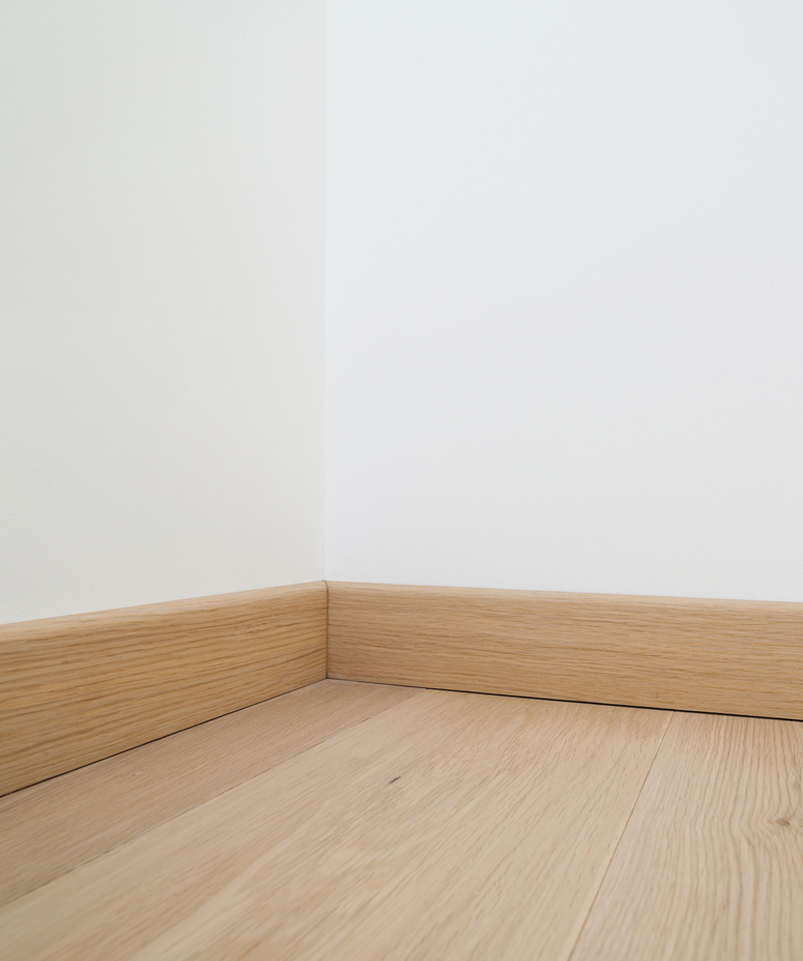
Natural wood grain continues to influence interior door design. However, a wood-look surface may be produced through different methods. Solid timber, wood veneer, PVC veneer, and painted finishes can create distinct appearances while relying on different underlying materials, a distinction a Solid Wood Door Factory has to make clear in its own catalogue.
This distinction is increasingly relevant in product catalogues and architectural specifications. A photograph may show the color and panel layout clearly, but it cannot always identify the core material or surface treatment. Product descriptions therefore need to distinguish visual style from construction.
The same issue appears in the use of terms such as "solid wood," "wood veneer," and "wooden door." These terms describe different aspects of a product and should not be treated as interchangeable.
MDF and Molded Designs Remain Part of the Market
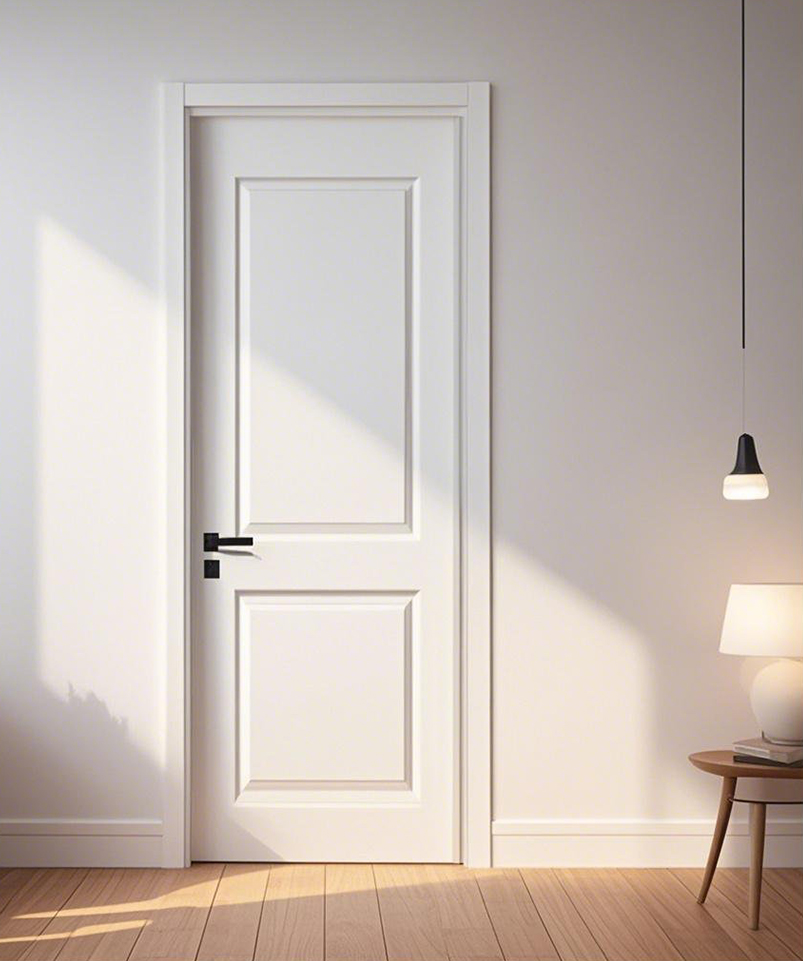
MDF molded doors form another established category in interior door production. Their panel patterns are shaped into the door surface, allowing designs that range from simple recessed panels to more decorative profiles.
These doors are often presented alongside wood veneer and PVC-finished products in manufacturer catalogues, sometimes from the same Solid Wood Door Factory producing solid timber lines. Their inclusion reflects the variety of construction and appearance options used across interior applications, rather than one uniform approach to door design.
For a Solid Wood Door Factory operating within a broader interior door sector, these adjacent categories are relevant because buyers may compare several types of doors within the same project or distribution range. The comparison depends on the actual construction and finish, not simply whether the finished surface resembles wood.
Surface Finishes Influence Interior Design
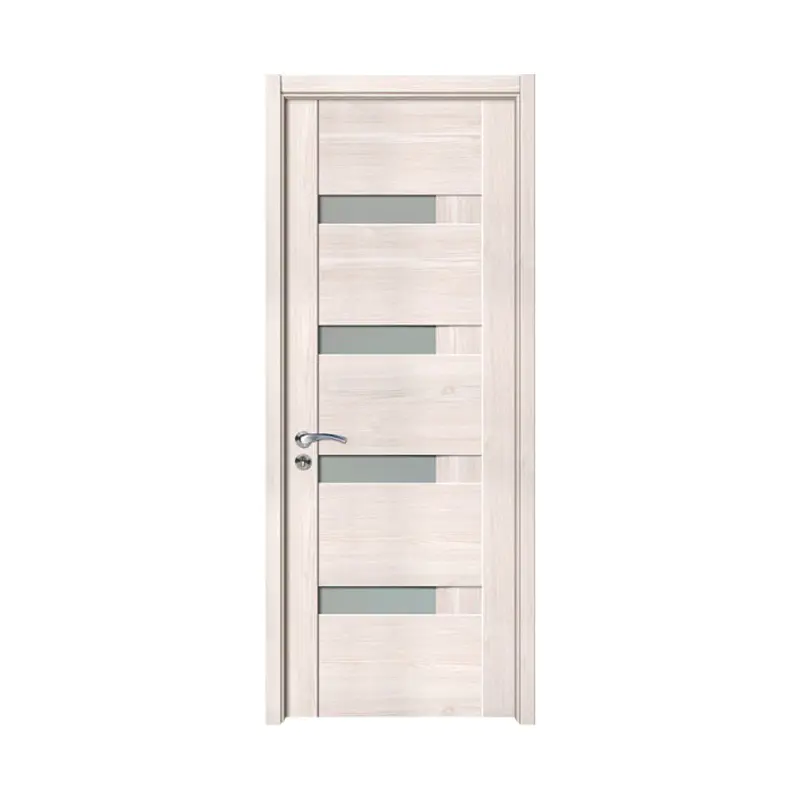
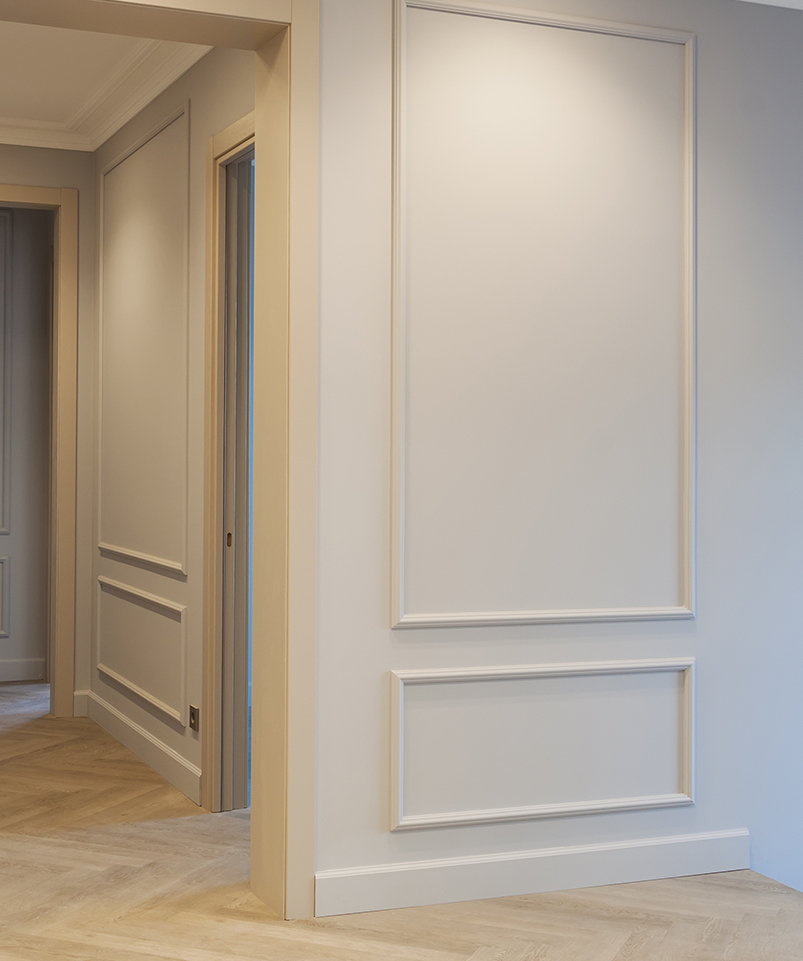
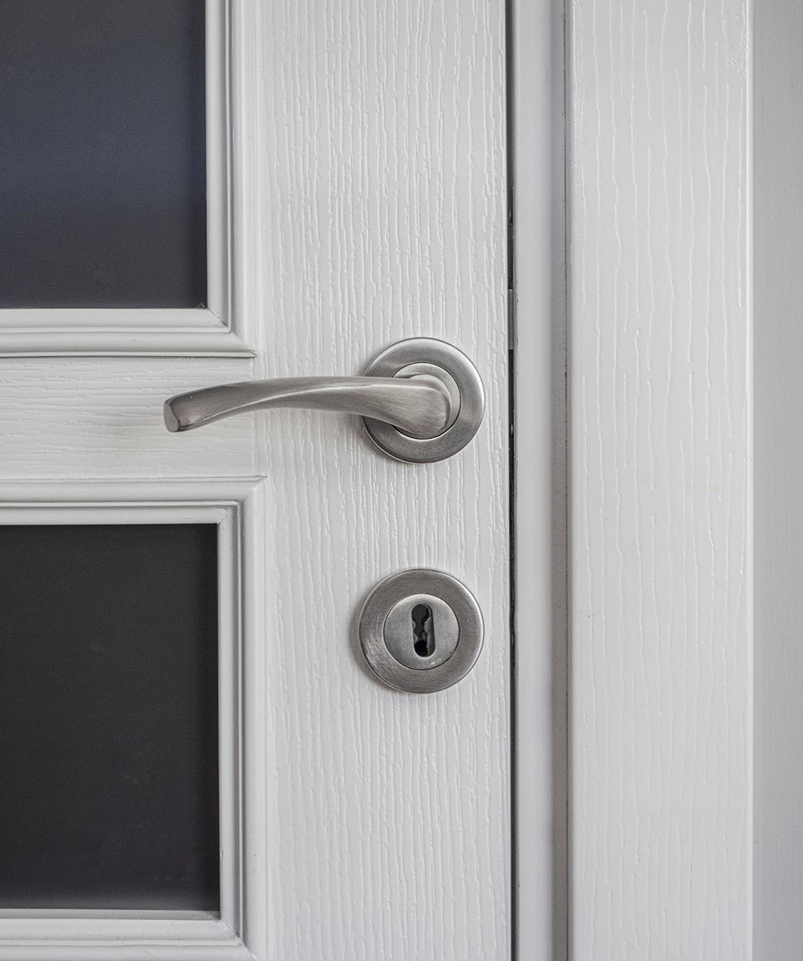
Door finishes contribute to the visual continuity of an interior. Wood-grain patterns are commonly associated with natural or traditional styling, while painted surfaces and simpler panel designs can be used in contemporary spaces. Glass inserts introduce another design element by changing the relationship between the door and the adjoining room. A Solid Wood Door Factory offering all three finish types under one range gives a specifier a single source to draw from rather than splitting an order across separate suppliers.
The range of available finishes also means that similar door profiles can appear quite different once installed. Color, grain pattern, panel arrangement, and glazing all affect the finished appearance. These characteristics are typically considered alongside the surrounding flooring, wall finishes, and interior fixtures.
At the same time, surface appearance alone does not establish a door's material composition or technical properties. Those details remain dependent on the specific product construction.
WPC Adds a Different Material Category
WPC doors are part of the wider interior door market alongside wood-based products. Their material composition differs from solid timber, MDF, and veneer-based constructions, so they are generally identified as a separate category in product information, even when a Solid Wood Door Factory manufactures both lines under the same roof.
The presence of WPC, MDF molded, PVC veneer, and wood veneer doors within the same market illustrates how interior door terminology has expanded. Buyers and specifiers may encounter products with similar visual styles but different material descriptions.
For industry publications and catalogues, using accurate category names helps distinguish these products without relying on appearance-based assumptions.
Product Terminology Is Becoming More Important
As door ranges include more material combinations and finishes, terminology plays a practical role in describing products. "Solid wood door" refers to a different construction category from an MDF molded door or a wood veneer door. Similarly, a PVC wood-grain finish describes a surface treatment rather than a solid timber structure. A Solid Wood Door Factory listing its catalogue by construction type rather than by appearance alone gives buyers a clearer basis for comparison across a mixed product range.
This distinction matters in technical schedules, catalogues, and product comparisons. Clear terminology reduces ambiguity when a design reference is translated into a product specification, particularly where several door types share similar panel patterns or colors.
The interior door market continues to combine established wood-based designs with alternative materials and finishing methods. Rather than replacing traditional construction, these developments have expanded the range of products described under the broader wooden-door category. Solid Wood Door Factory remains a relevant industry term, while accurate material descriptions provide a clearer picture of the products now available.




Copyright@ Zhejiang Optima Door Industry Co.,Ltd. All Rights Reserved.
PVC And WPC Doors Company
