
 English
 русский
 عربى
عربىWhy Do Some Pvc Door Designs Stay Stable Longer?
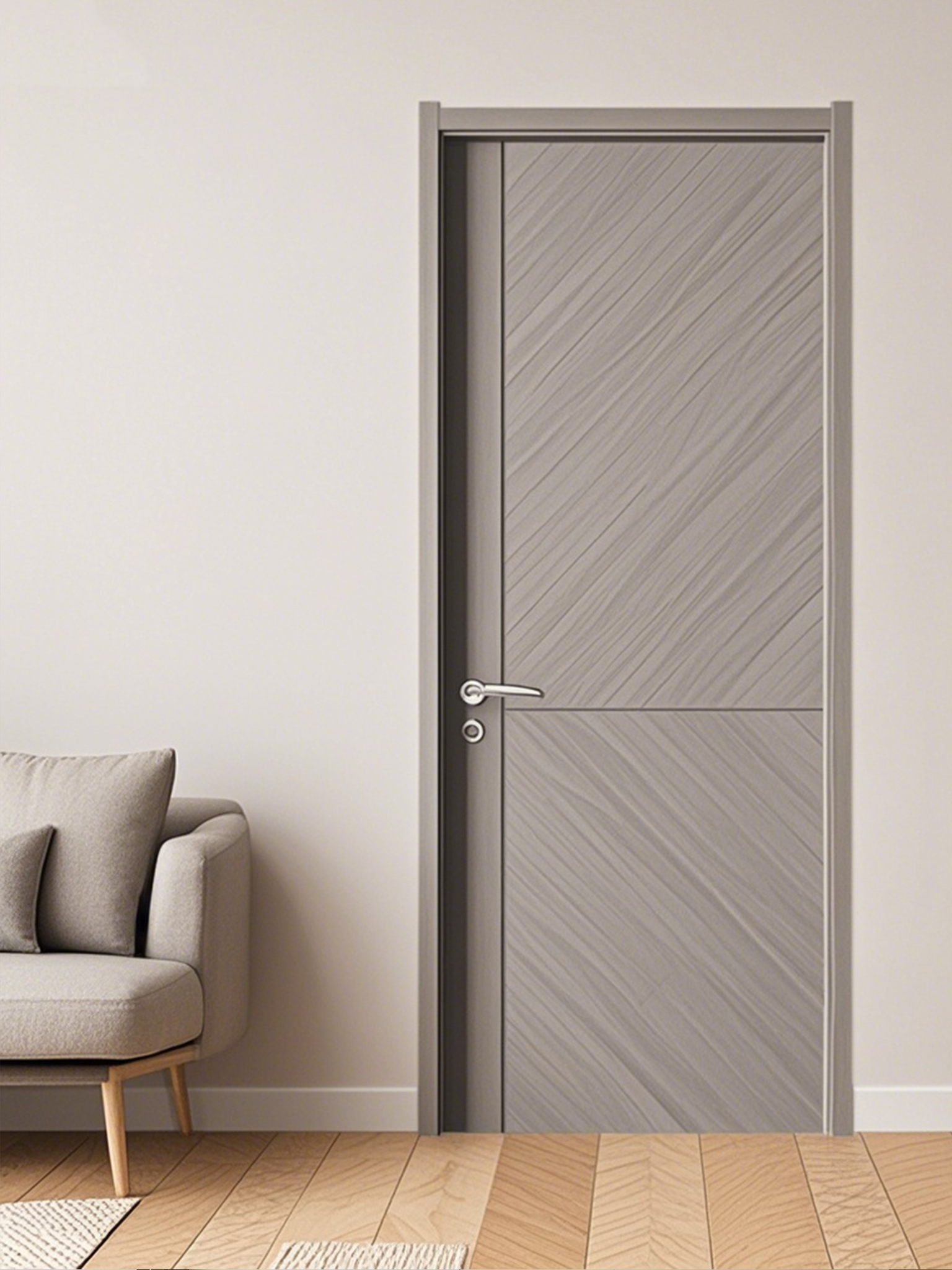
A PVC DOOR may look simple once it is installed, but manufacturers know that long-term stability often depends on details that are rarely visible after the project is finished.
In residential buildings, hotels, schools, and commercial interiors, doors are opened and closed thousands of times every year. Most people focus on color, style, or hardware selection, while manufacturers tend to pay closer attention to dimensional stability. A door that looks perfectly flat during production can gradually change if material selection, processing conditions, or structural design are not carefully controlled.
This is one reason a modern PVC DOOR Factory spends significant effort on production consistency rather than focusing only on appearance.
Stability Starts Before The Door Is Assembled
When discussing a PVC DOOR, many buyers naturally think about the finished product.
Inside a manufacturing facility, however, attention often begins much earlier. Raw material quality, panel structure, and production parameters all influence how the door performs after installation.
At a PVC DOOR Factory, engineers frequently monitor temperature, pressure, and processing conditions throughout production. Small variations during manufacturing may not be visible immediately, but they can influence dimensional performance months or years later.
For this reason, quality control often focuses on consistency from batch to batch rather than only on the final inspection stage.
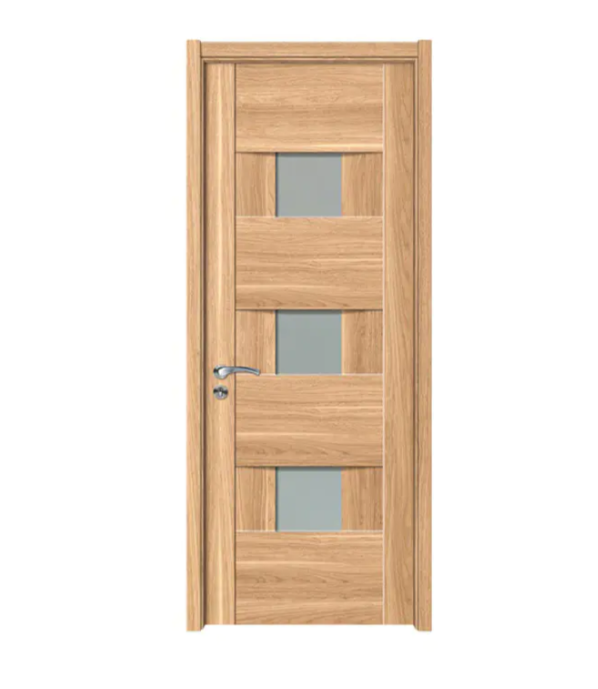
Environmental Changes Never Fully Stop
A PVC DOOR may be installed indoors, but that does not mean its environment remains constant.
Seasonal temperature changes, humidity fluctuations, and air-conditioning cycles continue affecting the surrounding space throughout the year. While PVC materials are generally known for their resistance to moisture compared with some traditional materials, manufacturers still evaluate how environmental conditions may influence long-term performance.
In coastal regions, for example, humidity levels can differ significantly from those found in dry inland climates. These differences often become part of the design and manufacturing considerations long before the door reaches the customer.
Actually, many durability discussions begin with understanding where the product will be used rather than how it looks in a showroom.
Internal Structure Matters More Than Many People Expect
When visitors tour a PVC DOOR Factory, they are sometimes surprised by how much attention is given to the internal construction of the door.
The visible surface may attract the most attention from buyers, but manufacturers often spend considerable effort evaluating reinforcement methods, panel balance, and structural design. These elements help the door maintain its shape during years of daily operation.
A well-designed PVC DOOR is expected to handle repeated opening and closing without developing performance issues that could affect alignment or user experience.
Because of this, manufacturers often view structural design and appearance as equally important parts of the product.
Production Consistency Influences Long-Term Results
One challenge for any PVC DOOR Factory is maintaining consistent quality across large production volumes.
Customers may order doors months apart while expecting similar appearance and performance. Achieving that consistency requires attention to raw materials, equipment settings, and inspection procedures throughout the manufacturing process.
Engineers often review production data regularly because long-term product performance is closely connected to manufacturing stability. The goal is not simply producing a door that passes inspection today, but producing one that performs predictably after years of use.
That perspective often shapes how modern factories approach quality management.
Manufacturing Decisions Continue To Matter After Installation
From the customer's perspective, a PVC DOOR becomes part of the building once installation is complete.
For manufacturers, however, many of the decisions affecting long-term performance were made much earlier inside the factory. Material selection, structural design, production control, and environmental testing all contribute to how the finished door behaves over time.
This is why a professional PVC DOOR Factory often evaluates more than appearance alone when developing products.
The difficult part is not producing a door that looks good on delivery day.
It is producing a PVC DOOR that continues to operate smoothly and maintain its stability after years of everyday use.



Copyright@ Zhejiang Optima Door Industry Co.,Ltd. All Rights Reserved.
PVC And WPC Doors Company
