
 English
 русский
 عربى
عربىWhy Do Some Melamine Doors Age Better?
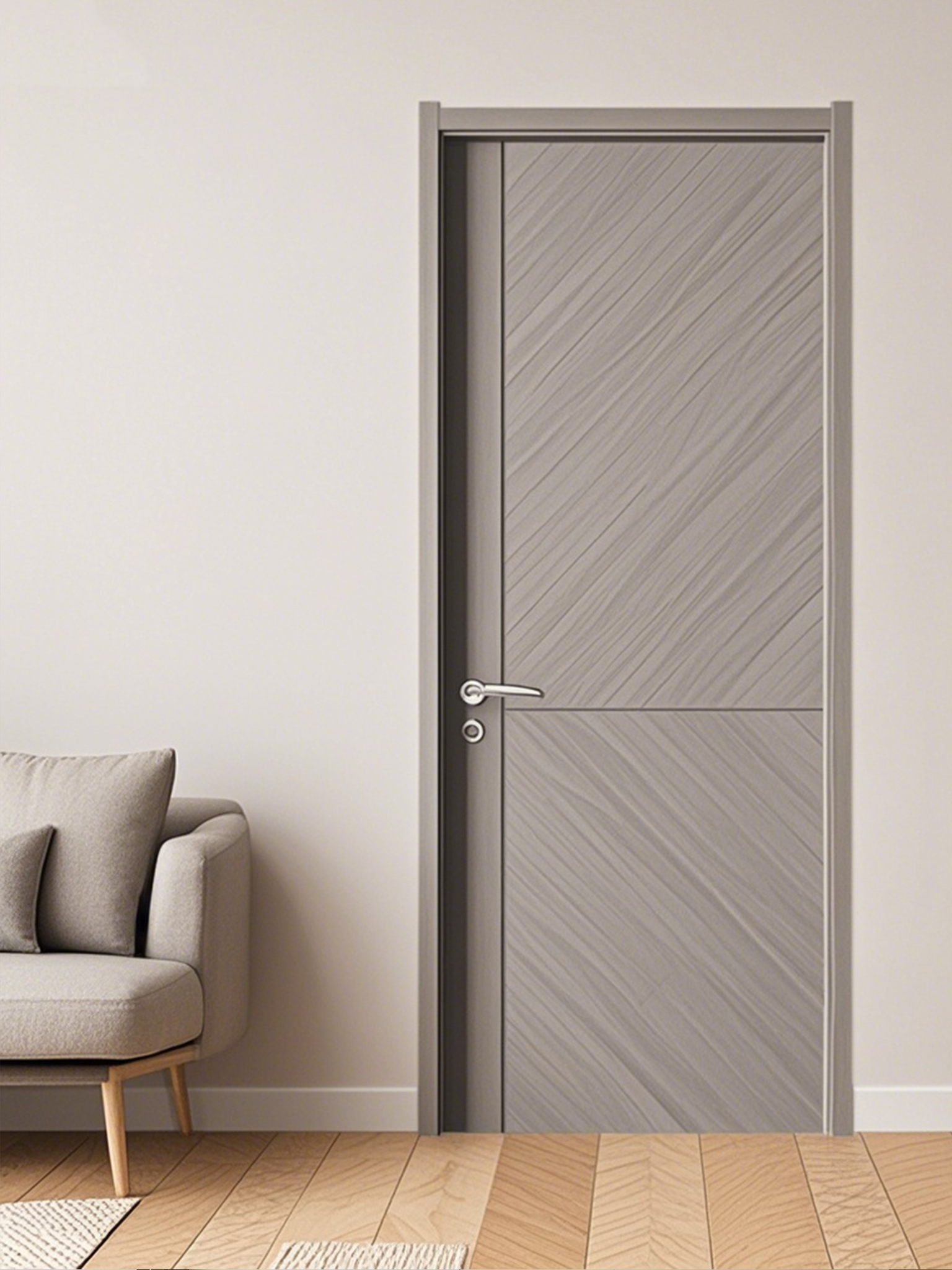
A melamine door often looks the same on the day it leaves the warehouse as it does after installation. The real difference usually appears years later.
In residential projects, schools, offices, and apartment buildings, doors are exposed to constant contact. Hands touch the same areas every day, cleaning products are used repeatedly, and furniture occasionally bumps into the surface. Over time, these routine interactions reveal how well a door has been designed and manufactured.
This is why a melamine door factory may spend considerable effort studying long-term surface performance rather than focusing only on appearance.
Daily Contact Creates Gradual Surface Wear
When buyers evaluate a melamine door, attention often goes to color, texture, or design.
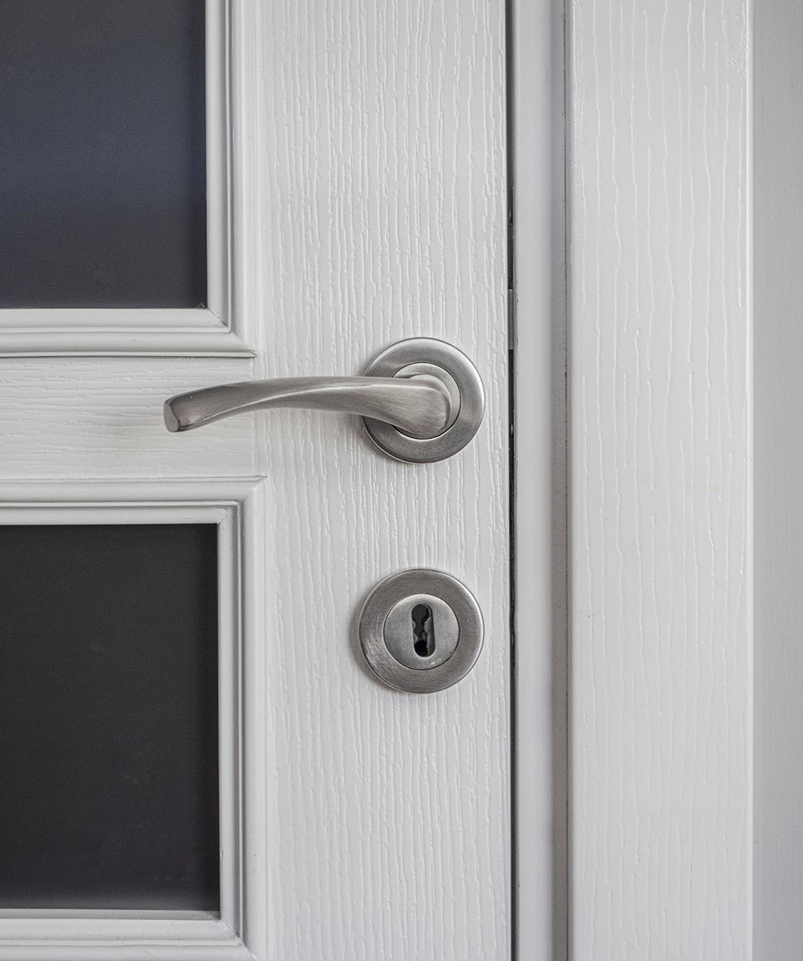
Manufacturers, however, frequently look at how the surface behaves after years of normal use. Areas around handles, locks, and frequently touched edges usually experience more contact than the rest of the door.
During product evaluations, engineers sometimes compare how different surface finishes respond to repeated cleaning and handling. The goal is not simply to create an attractive finish but to understand how that finish changes over time.
Actually, some signs of wear appear first in high-contact areas long before they become visible across the entire door surface.
Lighting Can Reveal Details Hidden At First
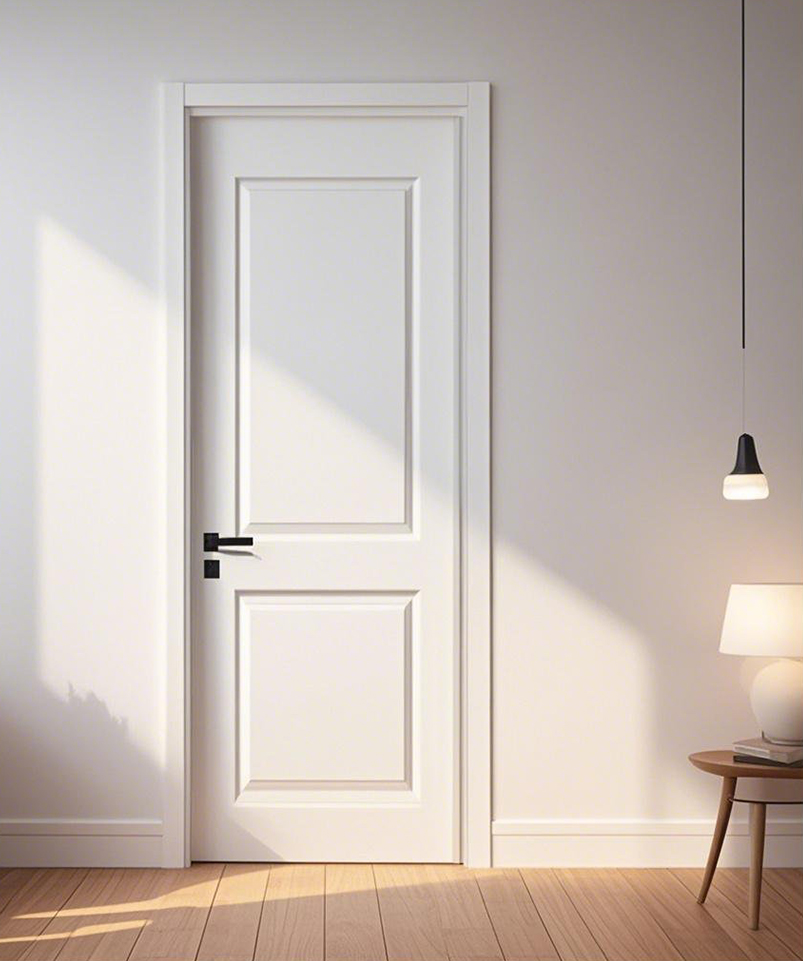
A melamine door may appear flawless under showroom lighting, yet look slightly different once installed in a real building.
Natural daylight, corridor lighting, and directional interior lighting can all influence how the surface is perceived. Small variations in texture or reflection sometimes become more noticeable depending on the surrounding environment.
For this reason, a melamine door factory often evaluates products under different lighting conditions during development and quality inspections.
What appears consistent in one setting may create a different visual impression in another.
Edge Quality Influences Long-Term Appearance
Many discussions about a melamine door focus on the visible face of the panel.
However, installers often pay close attention to the edges. These areas experience regular contact during transportation, installation, and daily use. Even minor impacts are more likely to occur around corners and edge sections than across the center of the door.
Because of this, manufacturers frequently evaluate edge processing as part of the overall product design. A door may maintain its appearance more effectively when surface and edge construction work together as a complete system.
Actually, maintenance teams often notice edge-related wear before larger surface changes appear.
Production Consistency Matters Across Large Projects
For a melamine door factory, one challenge is ensuring that products manufactured at different times remain visually consistent.
Large commercial projects may require multiple production batches over an extended period. Contractors expect replacement units or additional orders to match previously supplied products as closely as possible.
Achieving this consistency requires careful control of materials, processing conditions, and inspection standards throughout manufacturing.
Engineers often focus on repeatability because long-term customer satisfaction is influenced not only by product quality but also by consistency between production runs.
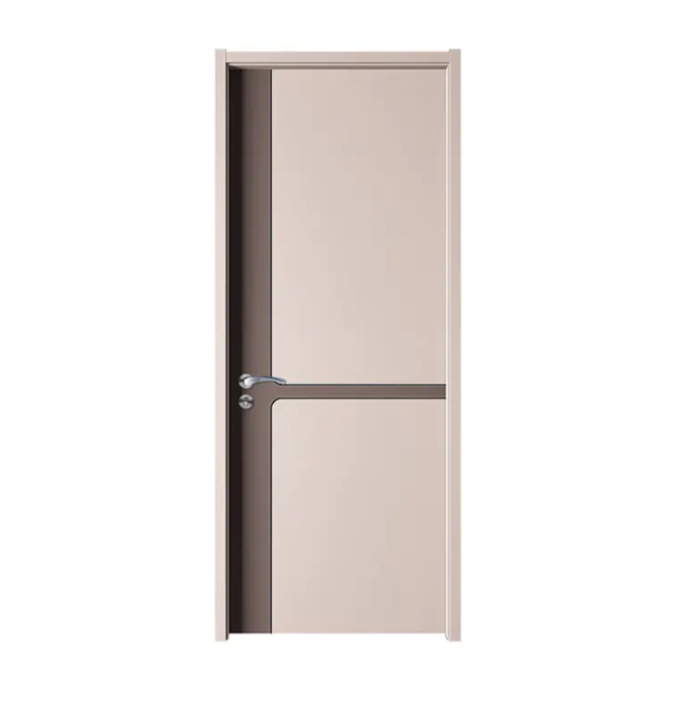
Installation Environment Continues To Influence Performance
Even after leaving a melamine door factory, the product's environment continues shaping its long-term behavior.
Different buildings create different conditions. A climate-controlled office may expose a door to relatively stable temperatures, while a school or residential property may experience wider fluctuations throughout the year.
Although a melamine door is designed for interior use, environmental factors still influence how materials perform over time. This is one reason manufacturers consider real-world operating conditions during product development rather than relying solely on laboratory testing.
The way a product behaves after installation is often connected to both manufacturing quality and the environment in which it is used.
Long-Term Impressions Come From Small Details
Most people form an opinion about a melamine door within a few seconds of seeing it.
Years later, that opinion is usually shaped by something different. Surface consistency, edge condition, touch points, and everyday durability gradually become more important than the initial visual impression.
That is why a melamine door factory often pays close attention to details that remain largely invisible during the purchasing process.
The difficult part is not producing a door that looks appealing when it is new.
It is producing a melamine door that continues to look and perform consistently after thousands of everyday interactions.



Copyright@ Zhejiang Optima Door Industry Co.,Ltd. All Rights Reserved.
PVC And WPC Doors Company
