
 English
 русский
 عربى
عربىWhy Do Some Interior Doors Sound Different?
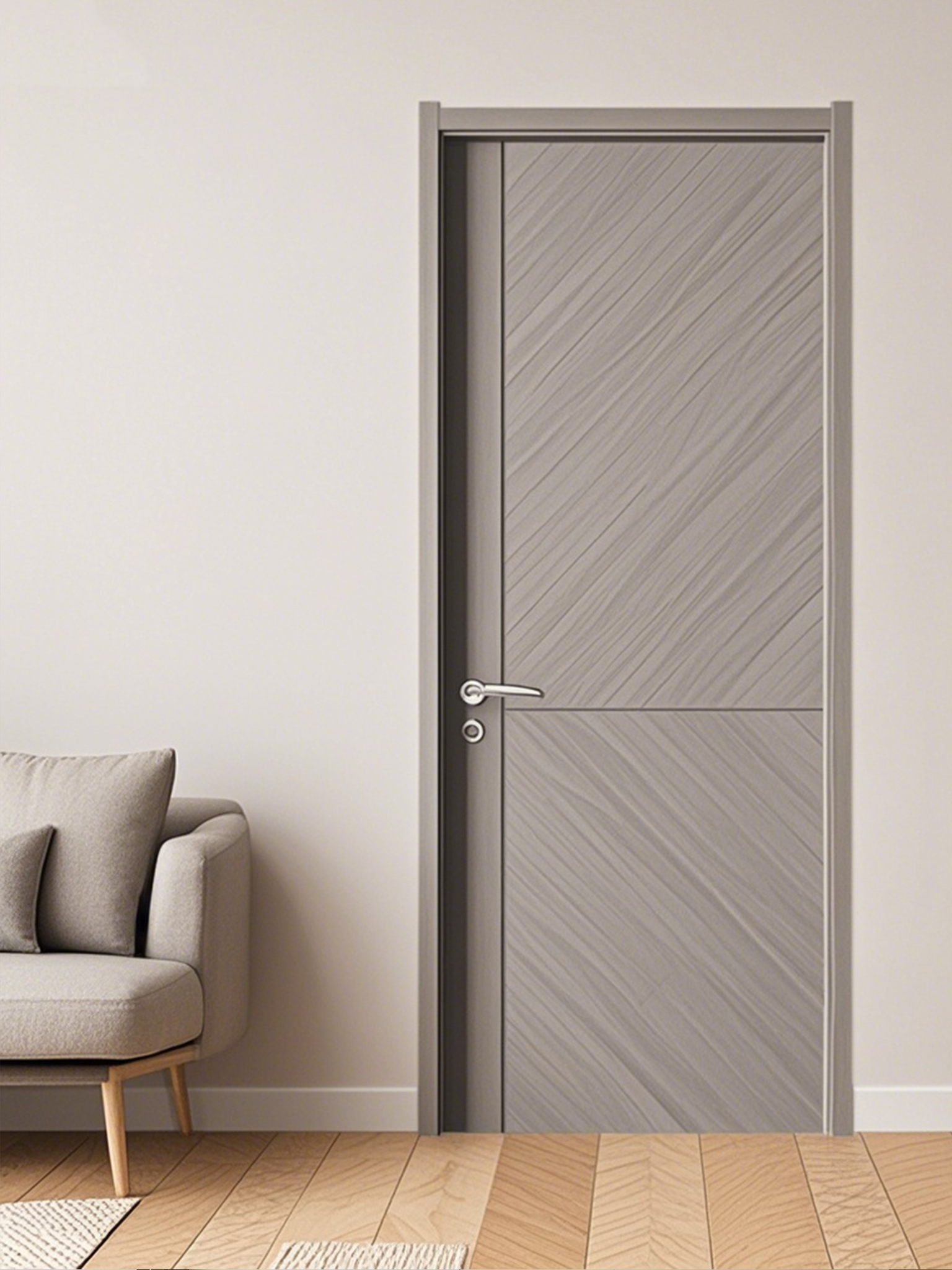
An interior door is something people use every day without paying much attention to it. Yet during building inspections or renovation projects, one detail often surprises homeowners and contractors alike: two doors that look almost identical can sound completely different when they close.
Some produce a solid, quiet closing sound, while others feel slightly hollow or sharp. In many cases, the difference has less to do with hardware and more to do with how the door was designed and manufactured.
This is one reason an interior door factory often spends considerable time evaluating construction details that remain hidden after installation.
The Sound Usually Starts Inside The Door
When discussing an interior door, most buyers focus on color, finish, or style.
Manufacturers tend to look deeper. The internal structure of the door influences not only weight but also how vibration travels through the panel during daily use.
A door with different core construction may react differently when opened, closed, or exposed to repeated impact over time. Even when two products share a similar exterior appearance, their acoustic characteristics can vary noticeably.
During product testing, engineers sometimes pay attention to closing sound because it often reflects how the internal structure distributes energy across the door surface.
Actually, experienced installers can sometimes identify construction differences simply by opening and closing the door several times.
Frame Alignment Changes User Perception
An interior door does not operate independently.
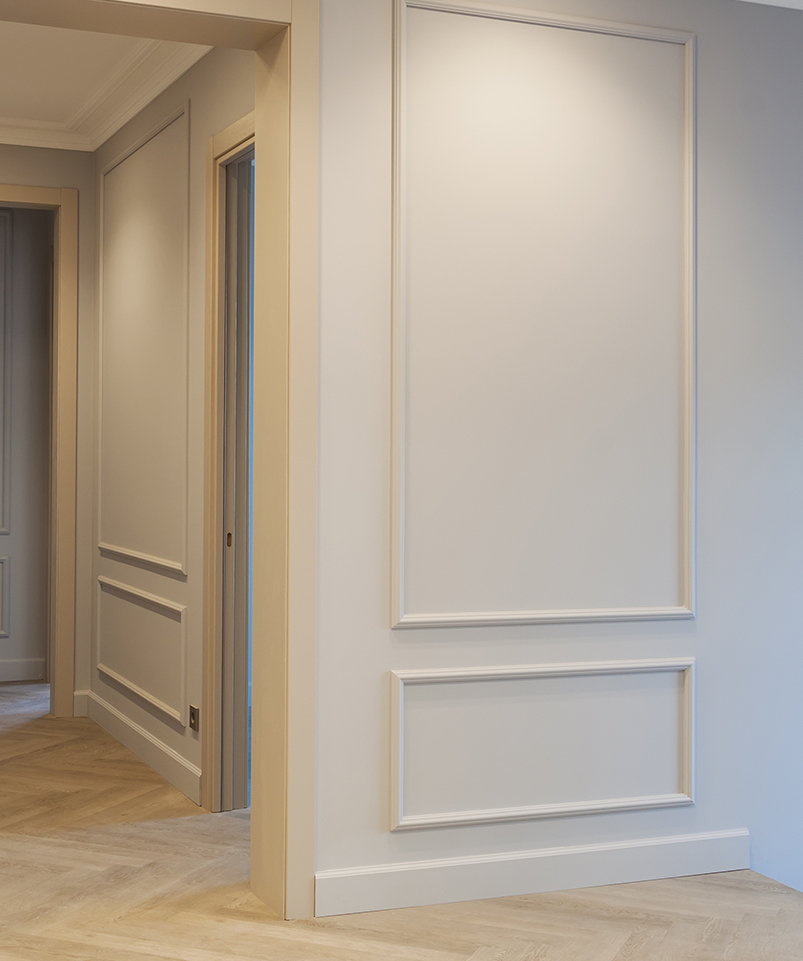
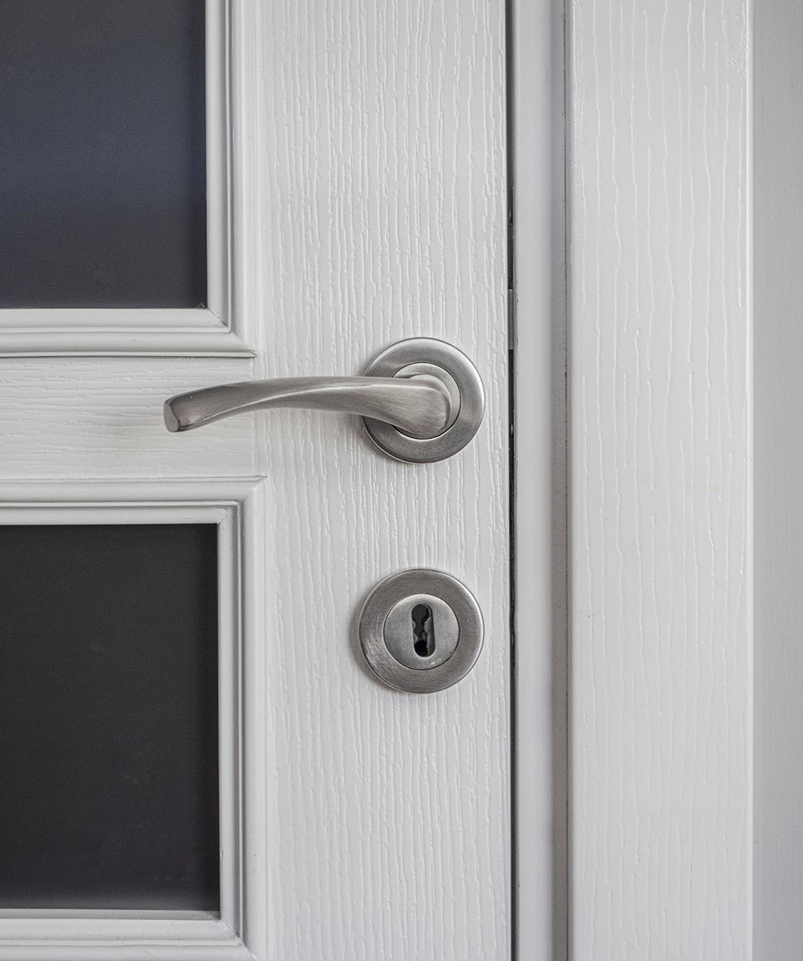
The surrounding frame, hinges, and installation accuracy all influence the final result. A well-manufactured door may still feel different if the frame is slightly out of alignment or if the installation environment changes after construction.
In new buildings, small structural settlement can affect how a door contacts the frame. Over time, this may alter the closing sound even when the door itself remains unchanged.
For this reason, professionals often evaluate the entire door system rather than focusing only on the panel.
Humidity Influences Daily Performance
Inside an interior door factory, environmental testing is often part of product development.
Although interior spaces are generally more controlled than outdoor environments, temperature and humidity still fluctuate throughout the year. Bathrooms, kitchens, laundry rooms, and air-conditioned spaces may create different operating conditions within the same building.
These changes can influence how materials respond over long periods. The effect may be subtle, but it contributes to why a door sometimes feels slightly different after years of use compared with the day it was installed.
Manufacturers therefore consider environmental conditions long before the product reaches the project site.
Consistency Matters More Than Individual Samples
One challenge faced by every interior door factory is maintaining consistency across production batches.
A single sample can perform well during testing, but customers expect similar results across hundreds or thousands of units. Achieving that consistency requires attention to raw materials, processing conditions, and quality control procedures throughout manufacturing.
Engineers often review production data because small variations may influence long-term product behavior. The goal is not simply producing a door that looks correct, but producing an interior door that behaves predictably after installation.
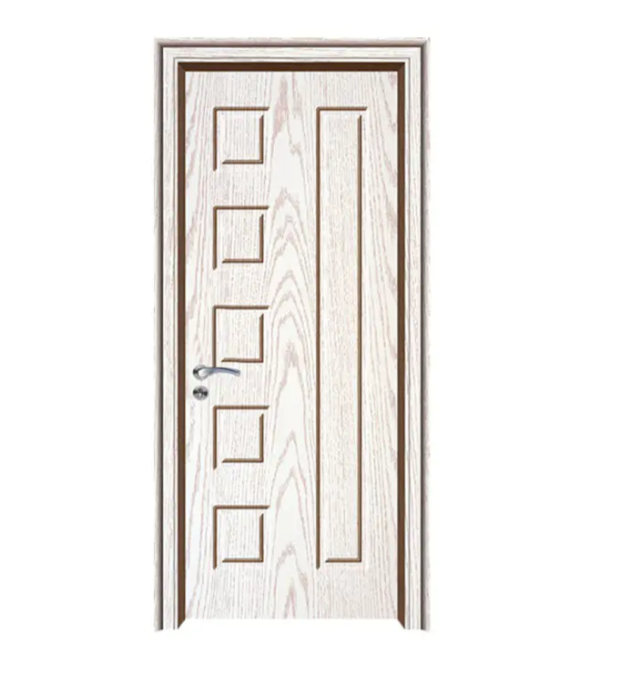
This focus on consistency becomes especially important for hotels, apartments, schools, and commercial projects where large numbers of doors are installed within the same building.
Small Details Become Noticeable Over Time
Many building products are judged immediately after installation.
An interior door is different because people interact with it every day. Small characteristics that seem insignificant at first can become more noticeable after years of opening and closing cycles.
That is why an interior door factory often evaluates durability, dimensional stability, and operating consistency during product development. These factors may not be visible in a showroom, but they influence how the product performs throughout its service life.
For contractors and property owners, the difference is often felt rather than seen.
The appearance of an interior door may attract attention on installation day.
Its long-term performance is what people continue noticing long afterward.



Copyright@ Zhejiang Optima Door Industry Co.,Ltd. All Rights Reserved.
PVC And WPC Doors Company
