
 English
 русский
 عربى
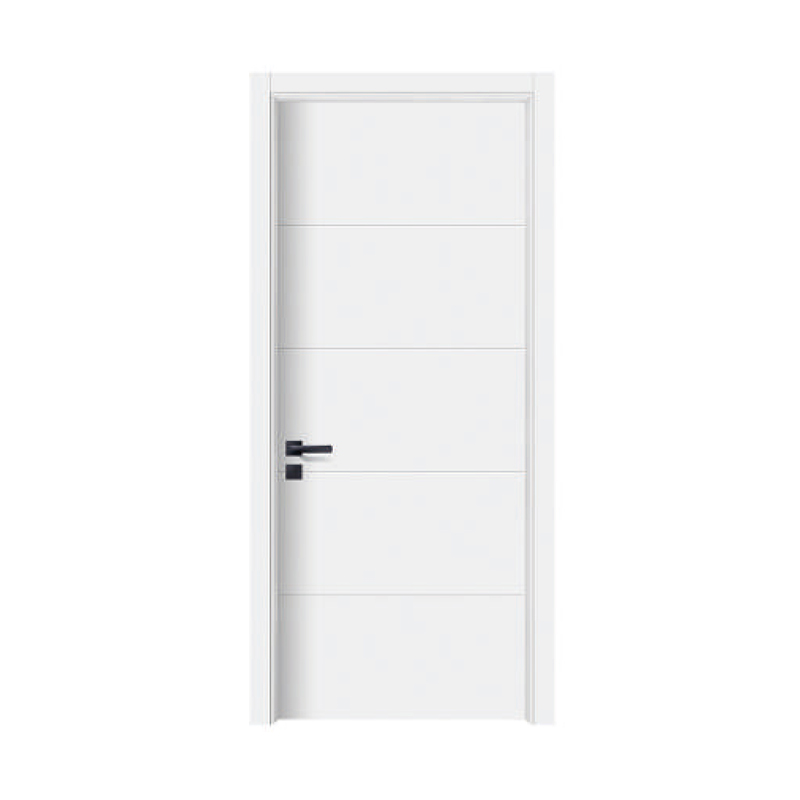
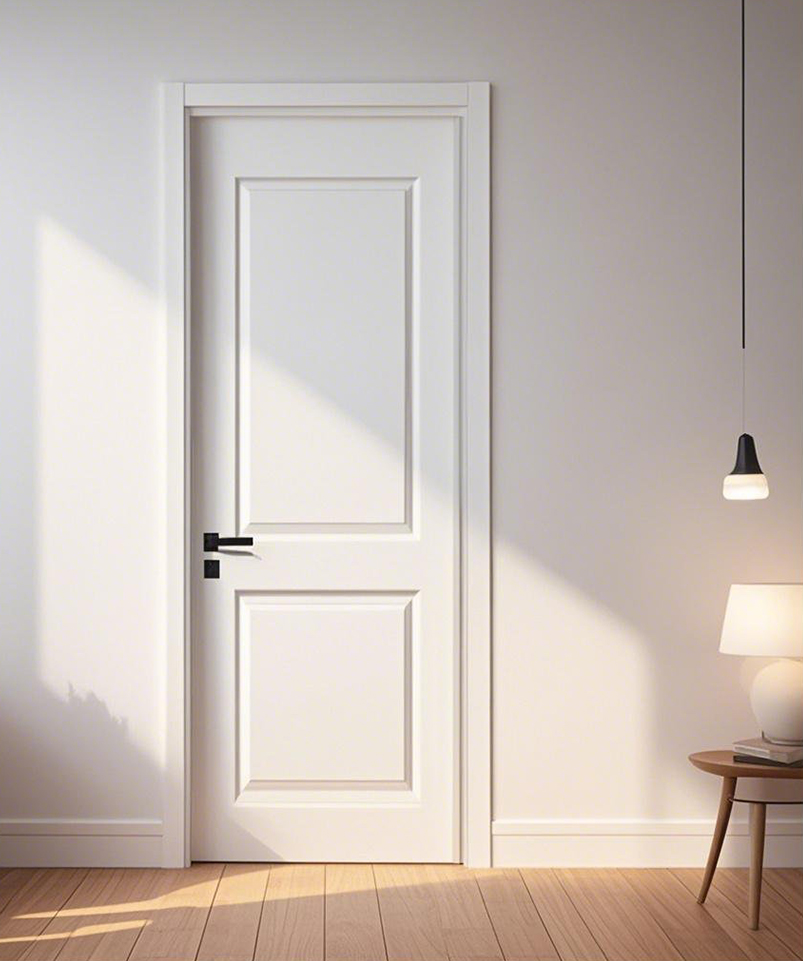
عربىWhite Primer Door Simplifies Finishing Work
White primer doors have become a popular choice in residential and commercial construction, combining industrial primer with electrical door construction. By 2025, the global garage door market is expected to reach $6.2 billion, with white garage doors accounting for 55 percent of all interior door sales in North America and Europe. A typical white primer door gets a primer coating of 1.5 to 2.5 mils, resulting in a uniform white surface that hides various wood grains and provides a good base for topcoats. Contractors and homeowners who don’t have white insulated doors should apply 4 to 6 hours of insulation to unfinished doors and increase material costs by 40 to 60 percent.Data from construction time studies shows that using pre-glazed doors results in a 70 percent reduction in installation costs compared to wooden doors, thereby increasing the demand for new homes and new projects.
What are the key components and main features of a White Primer Door?
The main components of a basic white primer door are the door skins, underlayment, basic trim, and trim. The door skin, usually made of fiberboard or hardwood insulation, is 2 to 3 millimeters thick and accepts primer. The lower level is either hollow or solid, with honeycomb cardboard being used to reduce the weight of those doors from 18 to 25 pounds, while the solid version uses 30 to 40 pounds of particleboard or mineral composite. The primer coating is applied using a roller or spray method under factory controlled conditions and achieves a uniform thickness within 0.2 mil across the entire door surface. Key features include medium color, with the original white door resistant to light sand without the addition of latex or alkyd paint.
What are the common application scenarios for a White Primer Door?
New home construction represents the largest segment of the industry, accounting for about 60 percent of white primer door sales. Typical single-family home construction usually requires 15 to 25 doors inside, and using pre-prime units allows painters to finish in two days instead of five. Many multifamily housing projects, such as apartments and condominiums, make extensive use of primary white doors, with 500 to 700 doors in a 200-unit project ready for final color coating. Home improvement projects and home improvements benefit from time savings, especially if the homeowner wants to change the color of the door; A white door primer can be painted in four hours and reapplied in one business day.
What are the development trends shaping the future of the White Primer Door?
By 2028, industry experts predict that 50 percent of new white primer doors will be low-mileage cars with a volume of less than 50 grams per 250 liters. Water-based primer is on the rise, reducing drying time to 20 minutes from less than 45 minutes five years ago. Another emerging trend is rust-resistant additives, which can stand up to 2,000 hours of invisible marking on white primer doors. Fire Control The white door continues to gain market share, with key features that can provide 20 to 90 minutes of fire control .
White primer doors transformed the interior finish design by changing the primer function from a chaotic workplace to a controlled workplace. From single-family homes to large-scale hospitals, these doors provide consistently low-slip surfaces, small leakage while reducing downtime. Data from industry surveys show that using white primer doors on-site reduces energy costs by 35 to 45 percent compared to conventional installations. As elementary design becomes more sustainable and environmentally friendly, elementary white doors will remain a staple in foundation construction. And that’s why white doors are preferred by builders who value time savings, quality materials, and reliable performance in any room.
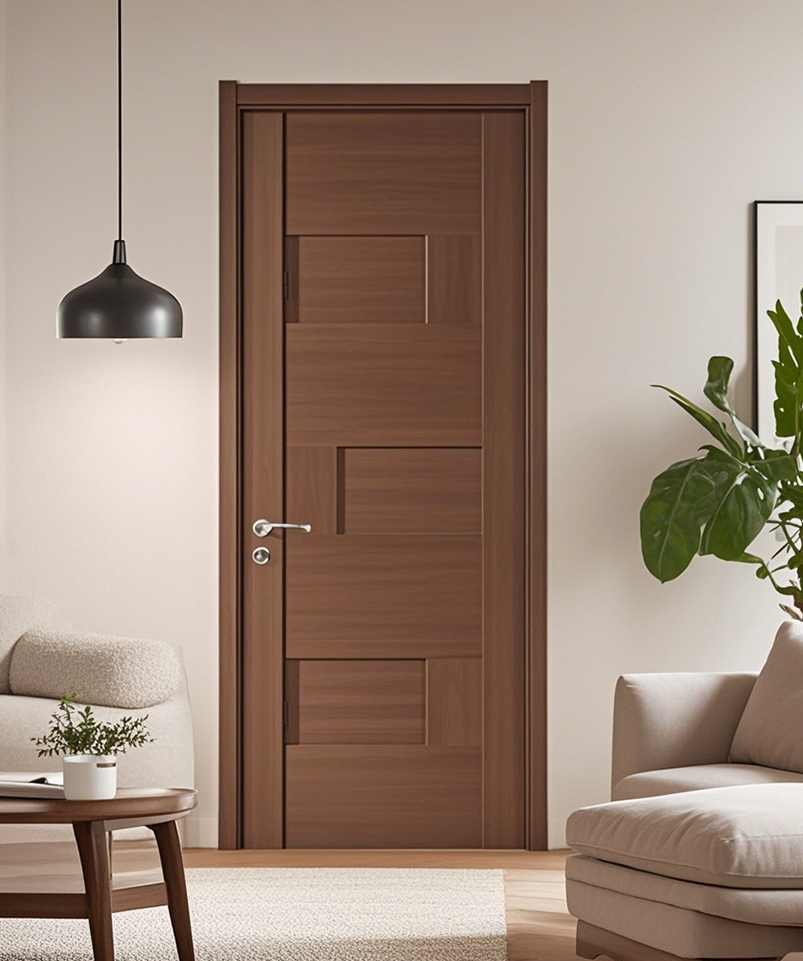
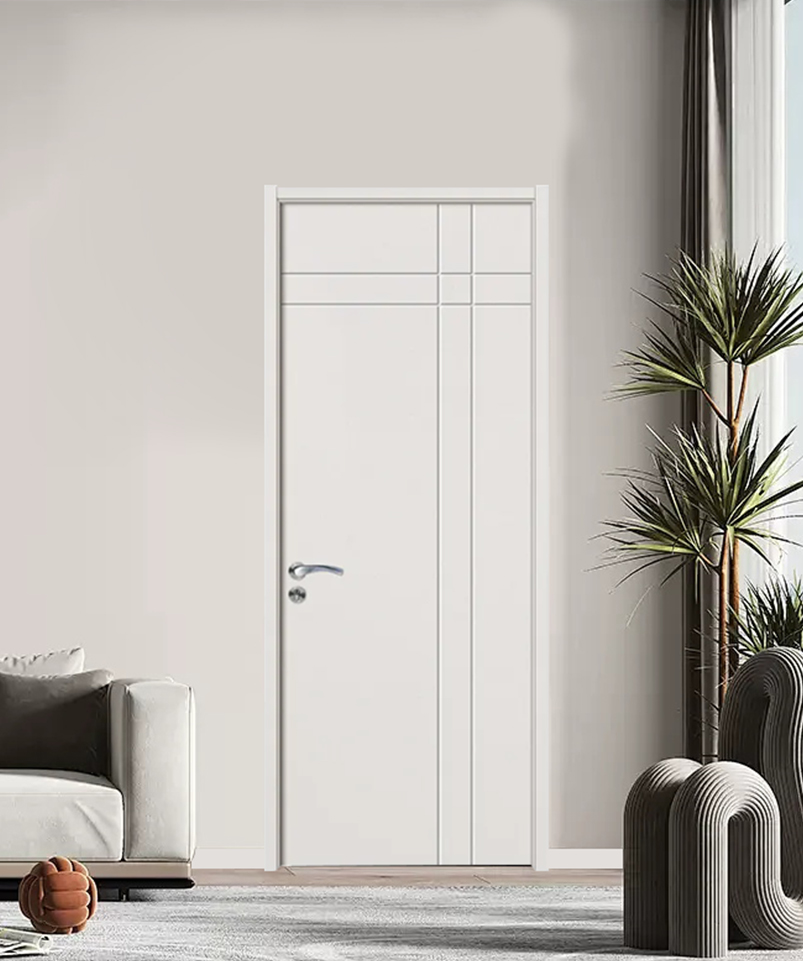
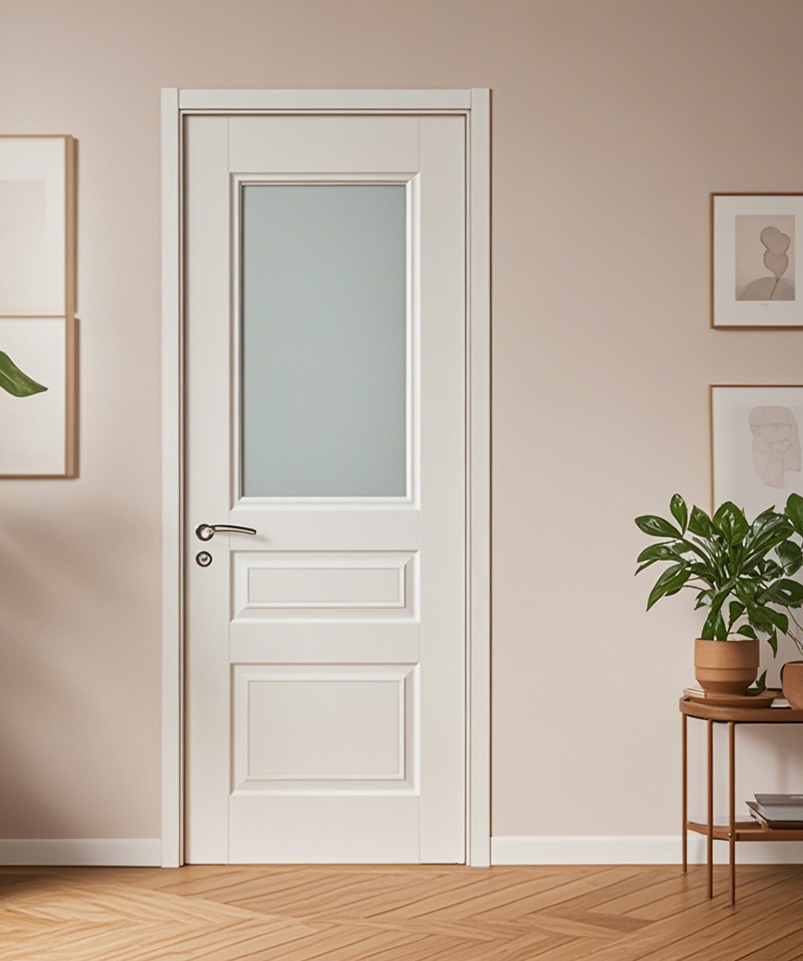
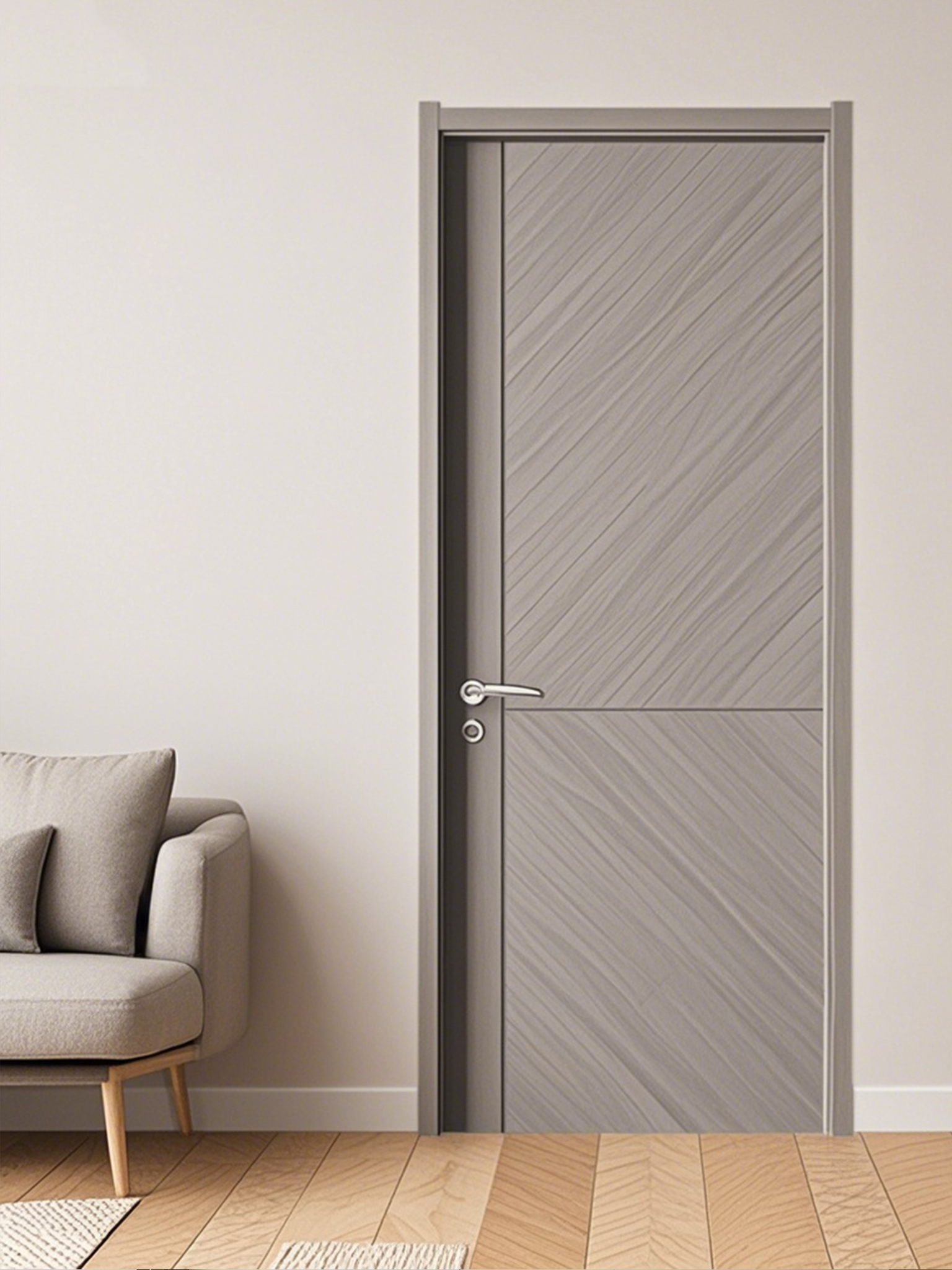
Simple White PVC Panel Door from Zhejing Optima Door Industry Co., Ltd. offers clean, smallist modern furniture. Made from high-quality PVC material, this door is moisture-resistant, scratch-resistant, and scratch-resistant, making it ideal for bathrooms, kitchens, and high-humidity areas. The smooth finish complements many decorative elements while being low maintenance – regular wiping with a soft cloth keeps it looking new. The door is lightweight but durable, and features a design that provides stability and easy installation. This low-maintenance alternative to traditional wooden doors provides everyday reliability in residential and commercial environments.



Copyright@ Zhejiang Optima Door Industry Co.,Ltd. All Rights Reserved.
PVC And WPC Doors Company
