
 English
 русский
 عربى
عربىMDF Door Factory Meets Rising Market Standards
The global supply of internal doors is an extension of the MDF door factory’s manufacturing model that has moved from the periphery to the center of residential and commercial construction. Semi-rigid fiberglass doors, made from wood frames bonded to resin by heat and pressure, now account for 34 percent of the door market in North America and more than 40 percent in Europe. These improvements are driven by the ability to produce large volumes of doors with high component density, dimensionality, and accurate tolerances. Builders and contractors get MDF doors directly from the factory to ensure reliable lead times and reasonable quality assurance. The purchasing decision ranges from a simple panel selection to a structural analysis of core density, material, and fire proofing, which modern MDF door factories offer in today’s construction specifications.
What Defines the Modern Application Landscape for MDF Door Products?
The applications for MDF doors extend beyond the bedroom and bathroom openings that define the segment first. In multifamily residential projects, where a single development may require 800 to 1,200 doors, MDF door factories offer qualities that solid wood cannot match, with differences saved within 12 kilograms added or subtracted. The hospitality industry has become increasingly consumer-oriented, with hotels using MDF doors to present guests as materials use high-gloss lacquer with over 90 sheenes that do not include the usual telegraphing on natural woods. Recent changes to fire codes in many residential buildings opened up ongoing office sections, with 45-minute heated MDF doors as well as convenience switches now meeting the need for corridors and staircases. Acoustic performance is another driving factor, with the 35-millimeter MDF core encapsulated to achieve a sound transmission class of 32, sufficient to meet the privacy expectations expected by medical consulting rooms and large offices. Floor-to-ceiling insulation in newly built apartment buildings is also estimated to be able to heat up to 85 percent without swelling more than 2 percent.
How Are Buyers Redefining the Selection and Procurement Process?
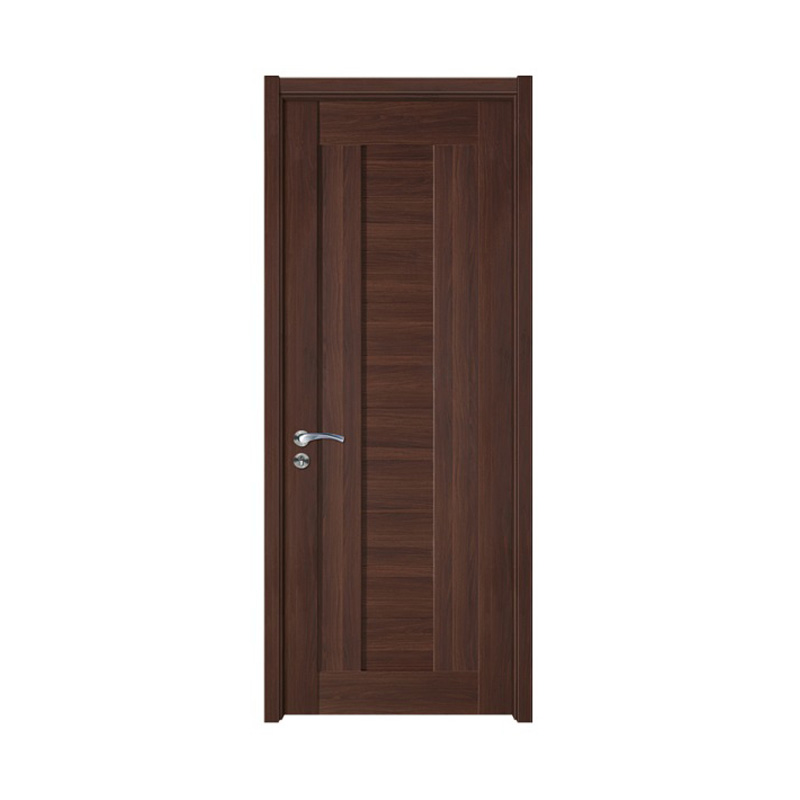
The choice and purchase between the customer and an MDF door factory has become a more streamlined process. Design data for core density is currently open, which is 720 to 760 km/m for high-quality doors and 620 to 680 km/m for permanent residential. A detailed specification of the surfaces was made, along with a purchase order for a residential project of 200 pieces with a decorative layer thickness of 0.5 millimeters and a melamine coating designed for taber abrasion cycles of 400.
What Emerging Technologies Are Shaping the Future of MDF Door Manufacturing?
The MDF door factory is changing with the rise of new technologies that reach every aspect of the industry. Industrial computerized inspection systems, adapted from medical imaging techniques, allow quality control teams to detect internal differences and gaps on the outside of the door as small as half a millimeter. Radiofrequency gluing technology has greatly accelerated the lamination process, producing beautiful products in 90 seconds from the 15 minutes required in conventional cold pressing, while increasing bond strength by more than 1.2 megapascals in shear testing. The finish entered a new era with the introduction of electron beam curing, a process that hardens the surface in milliseconds and creates a polymer adhesive with resistances exceeding 40 newtons in sclerometric testing. 1,440 dots per inch thereby reducing the time it takes to create a new decorative piece from 6 weeks to 8 hours. On the shop floor, automated machines operated by floor-mounted transponders now move a set of doors between departments, reducing manual labor by 55 percent and once cutting costs by 12 percent.
The MDF door factory stands at the intersection of creativity, digital manufacturing and complex regulatory requirements. The ability to provide fire audits, sound tests, and emissions inspections within two weeks is not uncommon at this time but is expected. Residential doors have become a technology supported by composite materials, and the MDF door factory is prepared to acknowledge this fact for the next generation of buildings.
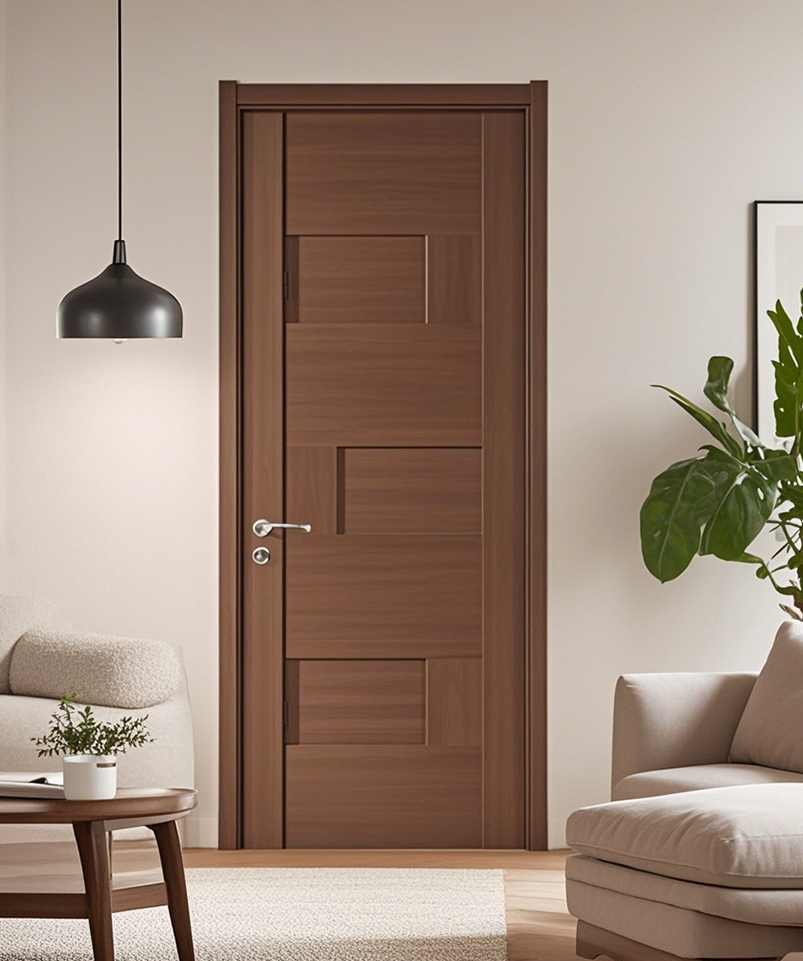
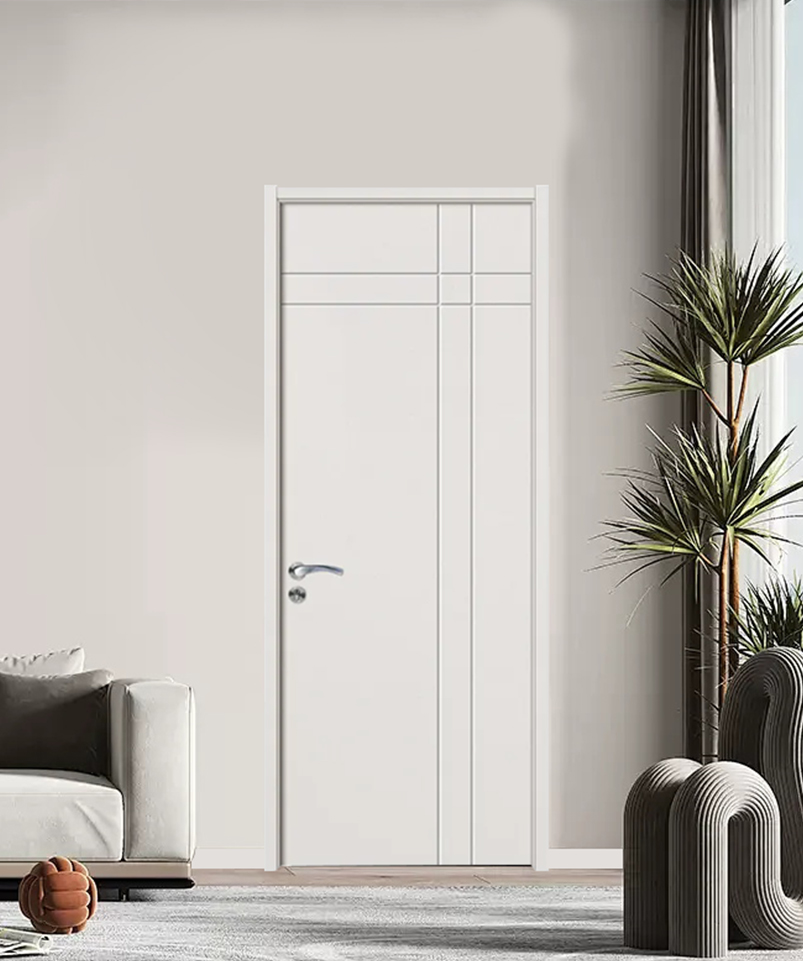
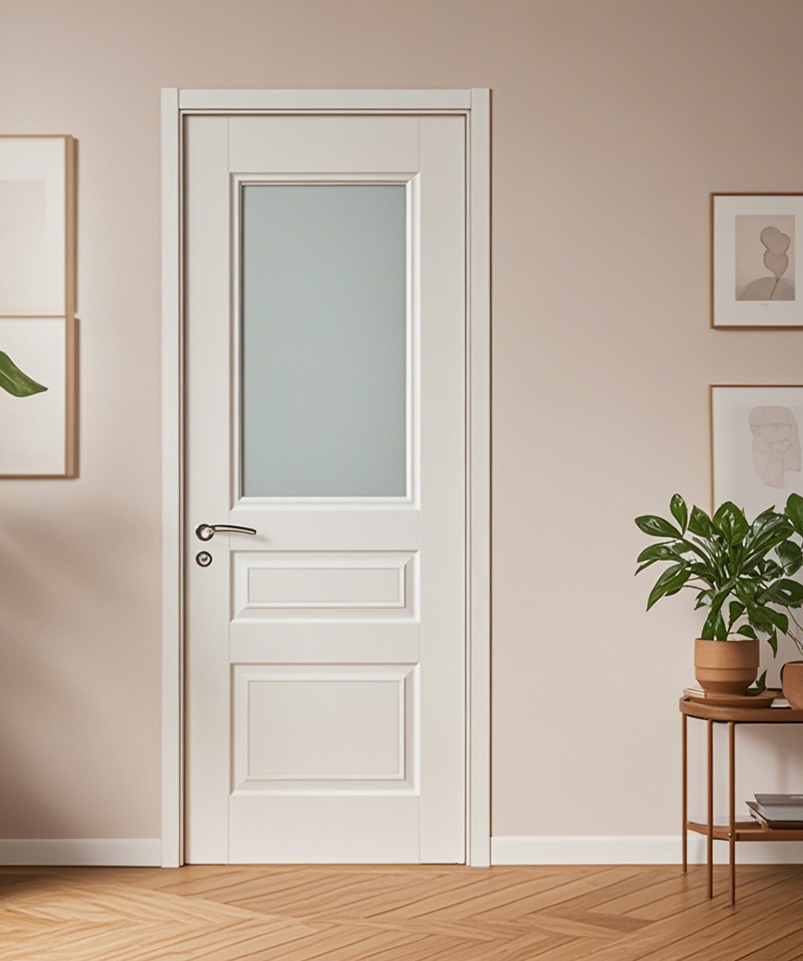
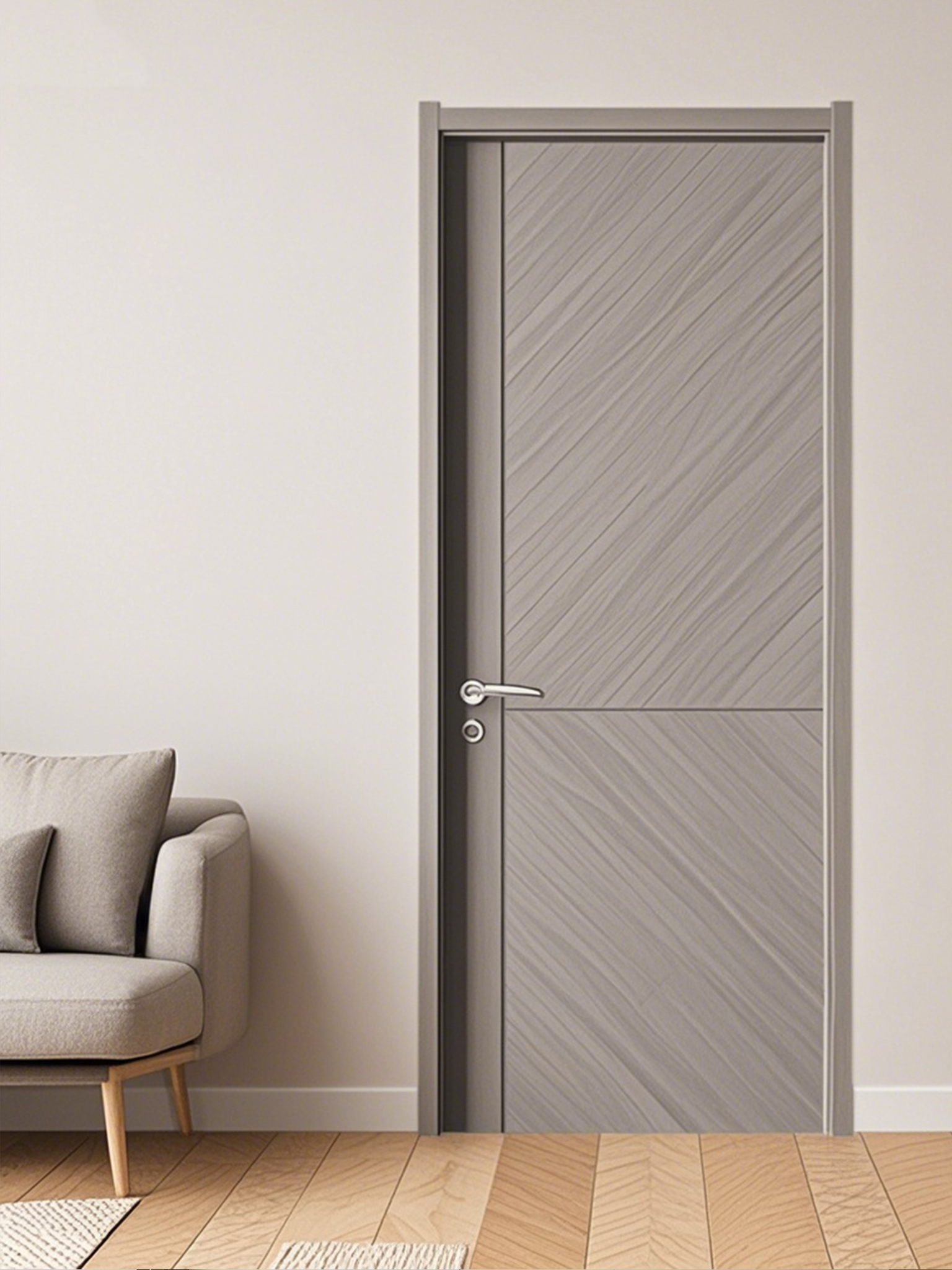
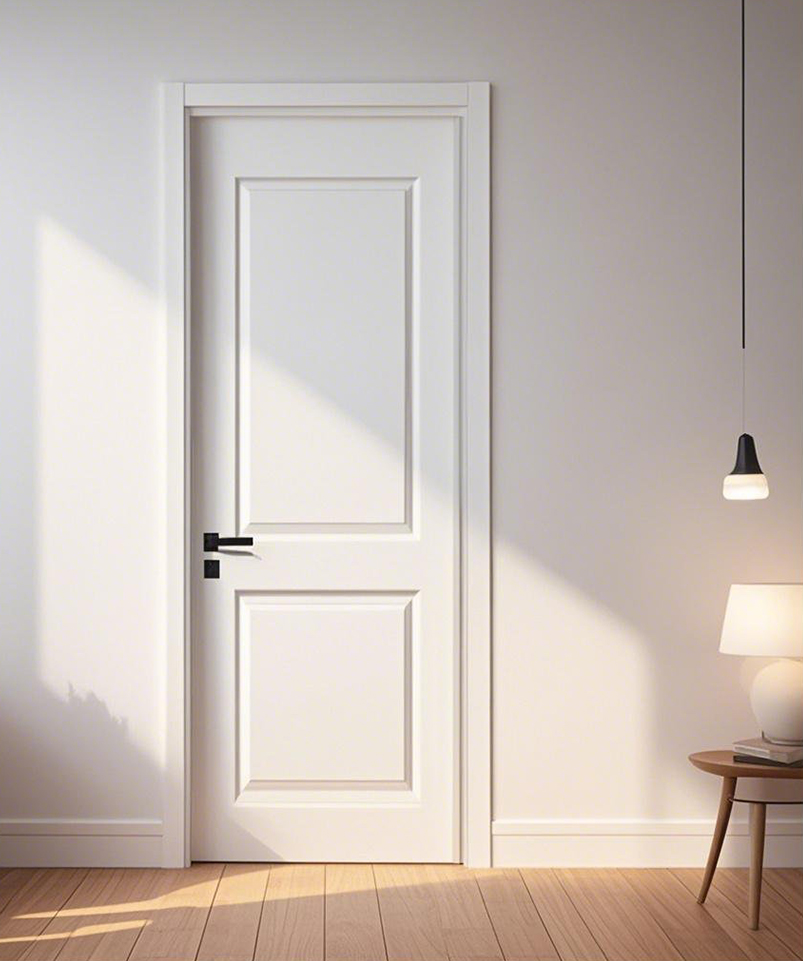
Middle Depression PVC Panel Doors from Zhejiang Optima Door Industry Co.,Ltd. provides practical residential door solutions for residential and commercial applications. Intermediate intelligence forms deep visual fields without motion or processing difficulties. The PVC construction offers resistance to moisture, drips, and scratches, making these doors ideal for bathrooms, kitchens, and hallways with varying temperatures. The panel design allows for easy cleaning and maintains its appearance with small maintenance. This PVC panel door provides a functional alternative.



Copyright@ Zhejiang Optima Door Industry Co.,Ltd. All Rights Reserved.
PVC And WPC Doors Company
