
 English
 русский
 عربى
عربىWhat Makes Double Hung Barn Doors Popular for Renovations?
Interior door distributors reviewing renovation trend data keep circling back to the same practical question: what actually drives contractors to specify double hung barn doors over a single sliding panel or a traditional swinging door, and does that preference hold up once installation cost and hardware complexity enter the conversation? Suppliers serving this category increasingly find the answer tied to opening width, track engineering, and panel construction rather than styling alone.
Opening Width and Track Configuration
A single sliding barn door works well for openings up to roughly four feet wide, but wider openings between closets, pantries, or open-concept living spaces push distributors toward a double hung barn doors configuration instead, since two panels meeting at center split the total span and avoid the excessive single-panel width that would otherwise strain a standard track and roller assembly. This split-panel approach also reduces the wall space needed on either side of the opening for the doors to slide into when open, a detail that matters considerably in smaller rooms where a single oversized panel would need to travel across an entire adjacent wall.
Track load rating becomes a more pressing consideration once two panels share a single rail system. Distributors sourcing double hung barn doors for wider openings increasingly request track weight capacity documentation rather than assuming a standard residential track handles double the panel weight without sagging or roller wear developing over time.
|
Configuration Factor |
Design Consideration |
Common Specification |
|
Opening width |
Single vs. double panel split |
Double panels above 4 to 5 feet |
|
Track load rating |
Combined weight of both panels |
Rated per linear foot of rail |
|
Panel overlap |
Center meeting point coverage |
2 to 3 inch overlap minimum |
|
Roller hardware |
Smooth glide under repeated use |
Sealed ball-bearing rollers |
Panel Construction and Core Material
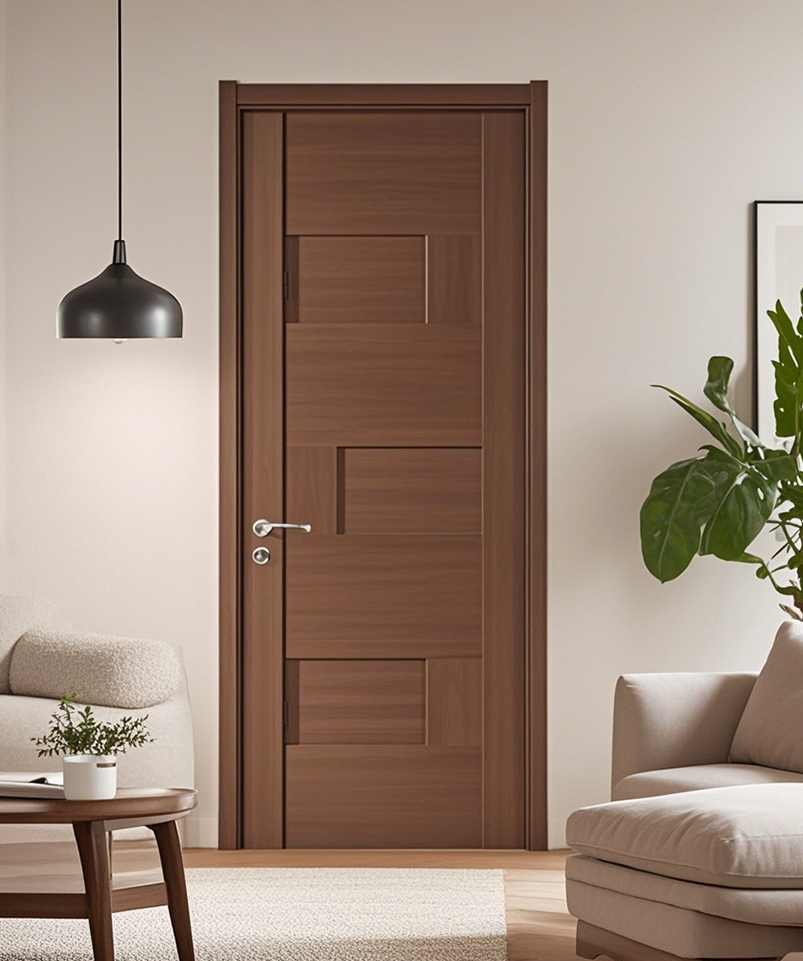
MDF core construction dominates the mid-market segment of this category because it offers a stable, warp-resistant panel at a lower cost than solid wood, while still accepting a wide range of veneer finishes and paint treatments that match a homeowner's existing trim work. A double hung barn doors set built on MDF cores holds dimensional stability better than solid wood across seasonal humidity swings, which matters particularly for panels wide enough to show visible warping if the core material shifts even slightly.
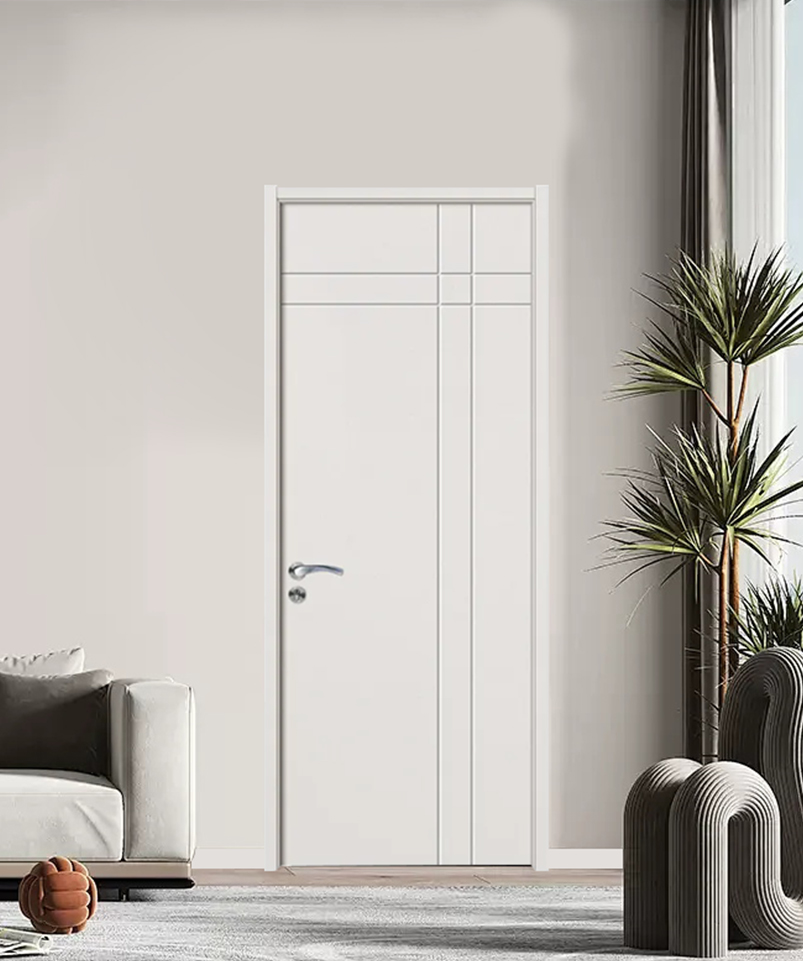
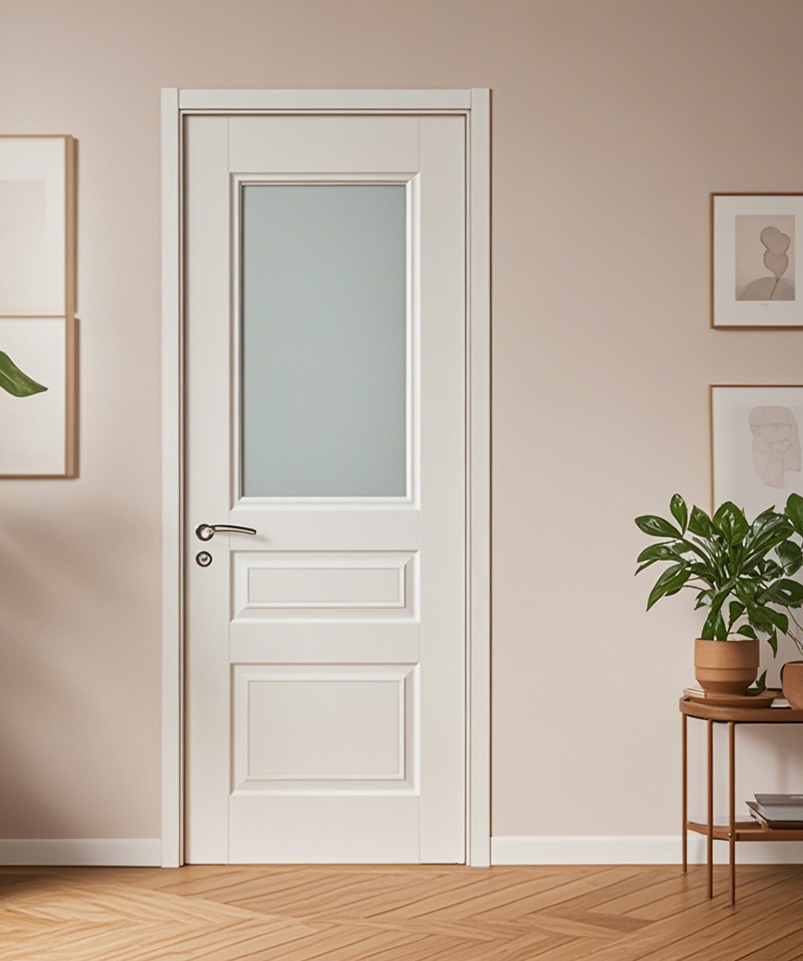
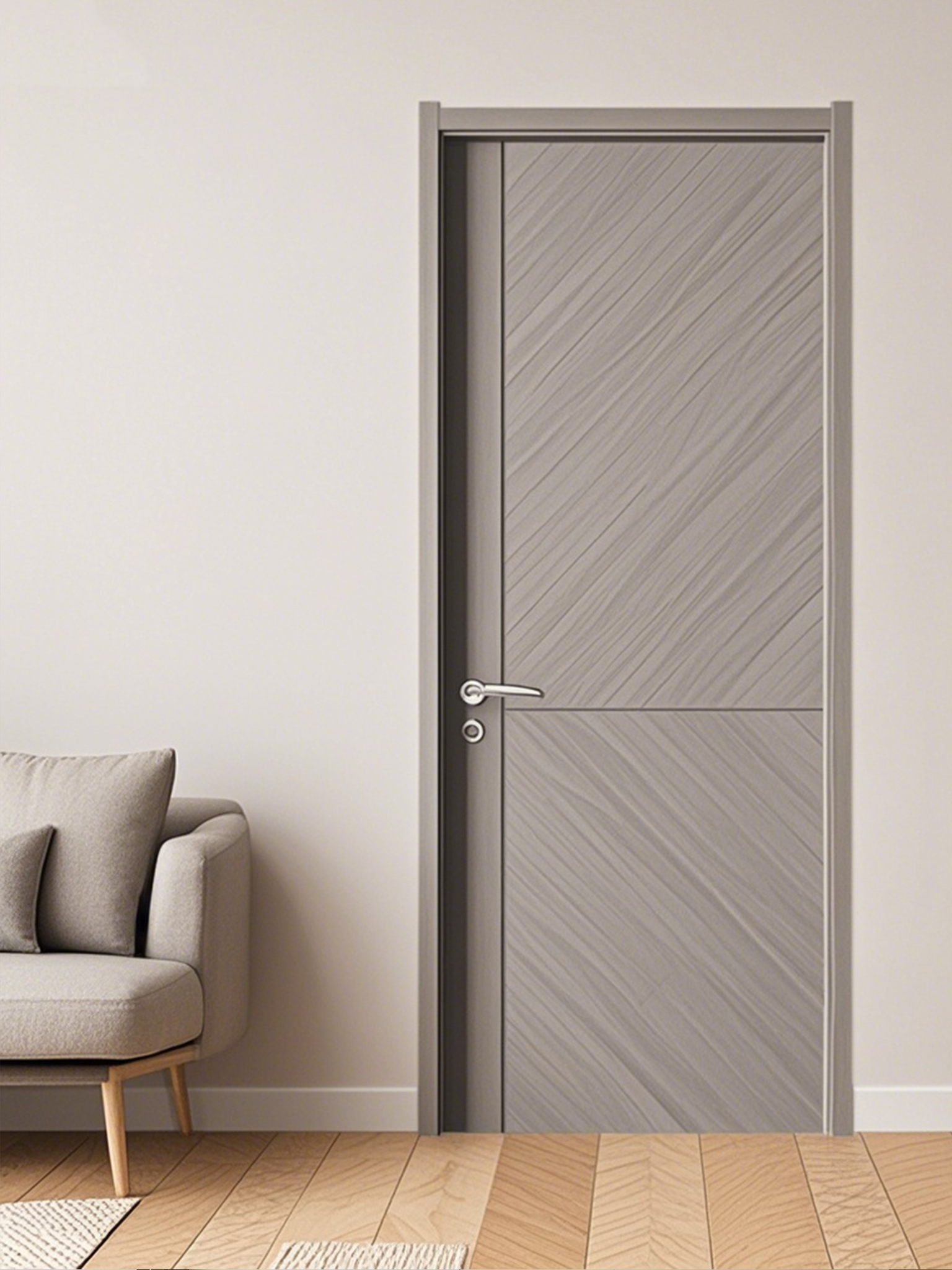
Rail and stile construction around the MDF core affects both appearance and long-term durability. A shaker-style rail and stile frame gives distributors a versatile look that suits both farmhouse and modern interior styling, while a flat slab panel design offers a cleaner, more minimalist appearance that some buyers increasingly request for contemporary renovation projects.

Hardware and Installation Clearance
Barn door hardware quality determines the smoothness of a sliding barn door panel's operation over years of daily use far more than the door panel itself. Sealed ball-bearing rollers reduce the grinding wear that unsealed rollers develop once dust and debris accumulate inside the roller housing, and distributors increasingly favor hardware kits rated for a specific weight range matched to the exact panel thickness and core material being installed.
Installation clearance requirements deserve early attention from contractors planning a renovation, since a double hung barn doors installation needs enough adjacent wall space on both sides of the opening for each panel to slide fully open without either panel overlapping a doorway, outlet, or fixed cabinetry. Distributors increasingly provide clearance planning guides alongside standard product specifications, since a miscalculated clearance discovered mid-installation forces a costly redesign rather than a simple hardware swap.
Sourcing Considerations for Distributors
Buyers qualifying a new supplier for this category increasingly request warp-resistance test data on MDF core panels alongside standard finish and dimension specifications, since panels that perform well in a showroom display can behave differently once installed in a home with fluctuating indoor humidity across seasons. Finish durability testing matters equally, particularly for painted panels expected to withstand repeated cleaning without the surface finish showing wear marks prematurely.
MDF Door, working within this category, structures its double hung barn doors production around documented core stability, sealed hardware compatibility, and finish durability testing, giving distributors a sourcing reference built on tested performance rather than a styling photo alone.


Copyright@ Zhejiang Optima Door Industry Co.,Ltd. All Rights Reserved.
PVC And WPC Doors Company
