
 English
 русский
 عربى
MDF Door Factory Quality Is Decided by Moisture Control
An MDF Door Factory earns or loses its reputation on moisture, because the board that makes a door light and smooth is made of wood fibers that swell when they get wet. A door can leave the line flat and flawless, then arrive weeks later with a lifted edge or a rippled surface. Buyers who ship doors across oceans know that the problem rarely begins at the destination.
Why Moisture Is the Main Enemy of MDF
Fibers swell where water enters
MDF is built from fine wood fibers bound with resin. Water enters through cut faces, routed grooves and any spot where the surface coating is thin, and the fibers expand. The surface then rises, edges soften and paint cracks along the swollen line. Faults of this kind are hard to repair, so a good MDF Door Factory works to keep water out at every step rather than fixing damage later.
The climate gap between factory and site
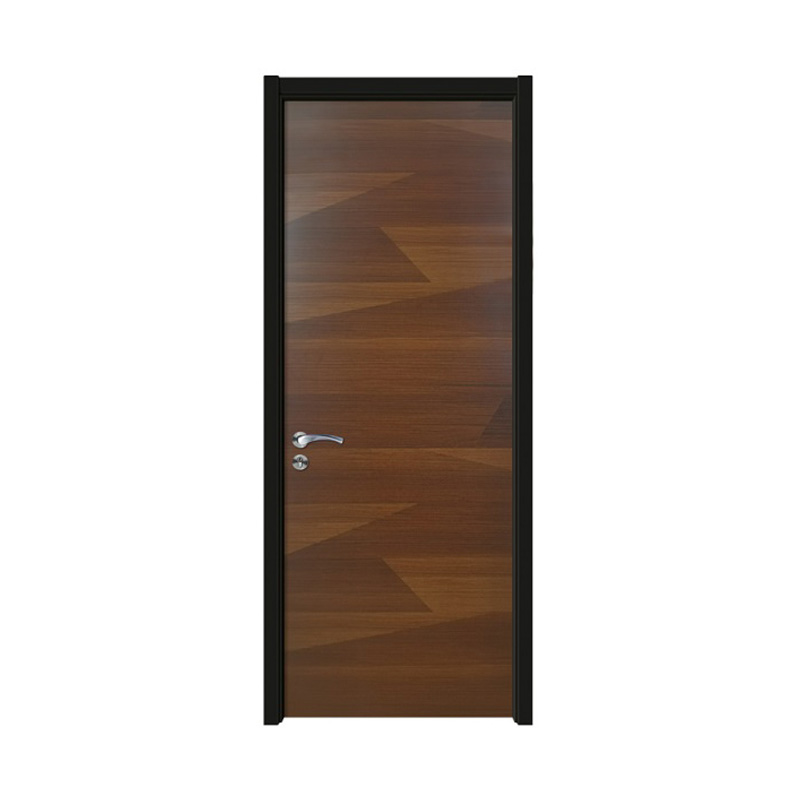
A door is made in one climate and installed in another. Humid coastal cities, dry inland regions and seasonal swings all change how much moisture the board carries. A door that is stable in a dry workshop can move when it reaches a damp building. Reducing that gap is what separates a careful MDF Door Factory from a careless one.
Where a Factory Controls It
Board storage
Moisture control begins before any board is cut. Boards stored flat, off the floor and away from damp walls keep a steady moisture level. Boards left on a concrete floor or near an open loading door absorb water unevenly, and the unevenness shows later as warping. A neat, dry storage area is often an early clue to how seriously an MDF Door Factory takes the problem.
Sealing edges and routed profiles
Cut edges and routed profiles take up water far faster than a flat face. Sealing all faces, including the top and bottom edges that no one sees after installation, closes the main routes for moisture. An MDF door manufacturer that skips the hidden faces saves a few minutes on the line and risks a failure in the field.
Finishing room conditions
Paint and lacquer need steady temperature and humidity to cure evenly. An MDF Door Factory with a finishing room that swings between damp and dry gets patchy gloss, pinholes and weak adhesion. Controlled conditions give each coat the same drying time, and the doors come out consistent from one piece to the next.
Packing and Shipping Choices
Wrapping and edge protection
Doors travel flat on pallets, wrapped in film with protection on corners and edges. The wrap blocks splashes and handling damage, and flat stacking keeps weight from bending the panels. Loose or damaged packing lets moisture reach the edges, so careful buyers look at packing details as closely as at the doors themselves.
Containers and condensation
A sealed container can develop condensation as the temperature changes during sea freight, and water can drip onto stock inside. Desiccants and moisture barriers inside the container reduce that risk, and loading only dry doors matters just as much. Experienced importers ask what an MDF Door Factory puts inside the container besides the doors.
Questions That Reveal the Answers
A short list of questions shows how a factory handles moisture from board to container:
|
Question |
What a good answer shows |
|
How are boards stored before use? |
Flat, off the floor, in a dry space |
|
Which faces of the door are sealed? |
All faces, including edges and the top and bottom |
|
How is the finishing room controlled? |
Steady temperature and humidity for even curing |
|
How are doors packed? |
Wrapped, flat on pallets, with edge protection |
|
What goes into the container? |
Dry stock plus desiccant or a moisture barrier |
An experienced factory making MDF doors answers these without hesitation, because the answers are part of daily routine.
Dry Doors Travel Well
The surface of a door gets the attention in a catalog, but the weeks before it reach a building decide whether the surface survives. A factory that controls moisture from storage through finishing, packing and loading sends out doors that hold their shape. For importers, builders and distributors, choosing an MDF Door Factory with those habits protects them from claims that are expensive to settle and hard to win back.





Copyright@ Zhejiang Optima Door Industry Co.,Ltd. All Rights Reserved.
PVC And WPC Doors Company
