
 English
 русский
 عربى
عربىWPC Door Factory Drives Sustainable Building Growth
In the global construction materials sector, the rise of sustainable alternatives has brought significant attention to Wood-Plastic Composite doors. At the heart of this supply chain lies the modern WPC Door Factory, which has evolved into a hub of specialized manufacturing, efficiently converting recycled wood fibers and plastics into durable, low-maintenance building components. The current state of the WPC Door Factory reflects a maturing industry that is responsive to market demand, grounded in distinct product advantages, and strategically positioned for future growth driven by green building standards and technological upgrades.
What Defines the Current Market and Industry Structure?
The operational scale and strategic importance of the WPC Door Factory are supported by a robust and growing global market. Recent industry analyses project the WPC doors and frames market to expand from a value of approximately $1.4 billion to potentially reaching $2.9 billion by the early 2030s, indicating a strong growth trajectory. This expansion is largely fueled by residential renovation projects and new commercial construction in regions with varied climates, where the performance attributes of WPC are highly valued. Geographically, a significant concentration of WPC Door Factory facilities is located in Asia, with manufacturers in the region playing a key role in global supply chains by leveraging integrated production lines and economies of scale. This established industrial base enables these factories to serve both domestic demand and international export markets efficiently.
What Are the Key Product Advantages and Characteristics?
The fundamental value proposition driving demand for output from a WPC Door Factory is a compelling set of material properties that address common limitations of traditional wood. Doors produced in a modern WPC Door Factory are engineered to be highly resistant to moisture absorption, which effectively prevents warping, rotting, and fungal decay—a critical advantage in humid or rainy environments. Furthermore, the composite material is not susceptible to termite infestation and requires very low maintenance, eliminating the need for regular painting or sealing that wood doors demand. From a sustainability standpoint, a core operational principle for the contemporary WPC Door Factory is the utilization of post-industrial and post-consumer recycled materials, such as wood flour and polyethylene or polypropylene plastics, contributing to waste reduction and circular economy goals. This combination of durability, practicality, and eco-friendly material sourcing forms the key selling point for WPC Door Factory products.
Where is the Future Development Heading?
The forward trajectory for the WPC Door Factory is being shaped by several converging trends that promise to redefine its capabilities. The integration of advanced automation and Industry 4.0 principles is set to increase. Factories are adopting more sophisticated computer-aided manufacturing (CAM) and robotic systems for precision cutting, milling, and finishing, which enhances consistency and reduces production waste. Second, product innovation is moving beyond standard profiles. A forward-looking WPC Door Factory is increasingly focused on developing products with enhanced functional properties, such as improved fire retardancy and predominant acoustic insulation, to meet stricter building codes and consumer expectations. Lastly, the market pull towards deeper customization and aesthetic versatility will drive factories to offer a wider array of textures, woodgrain finishes, and colors, often through advanced co-extrusion or laminating techniques. These trends collectively point towards a future where the WPC Door Factory operates not just as a manufacturer, but as a sophisticated solutions provider for the next generation of sustainable construction.
The WPC Door Factory stands as a dynamic and essential player in the modern building materials industry. By capitalizing on strong market growth, leveraging the inherent performance and environmental benefits of its core product, and proactively adapting to trends in digitization and product innovation, this specialized manufacturing sector is well-positioned to maintain its relevance and expand its role in creating more resilient and sustainable built environments worldwide.
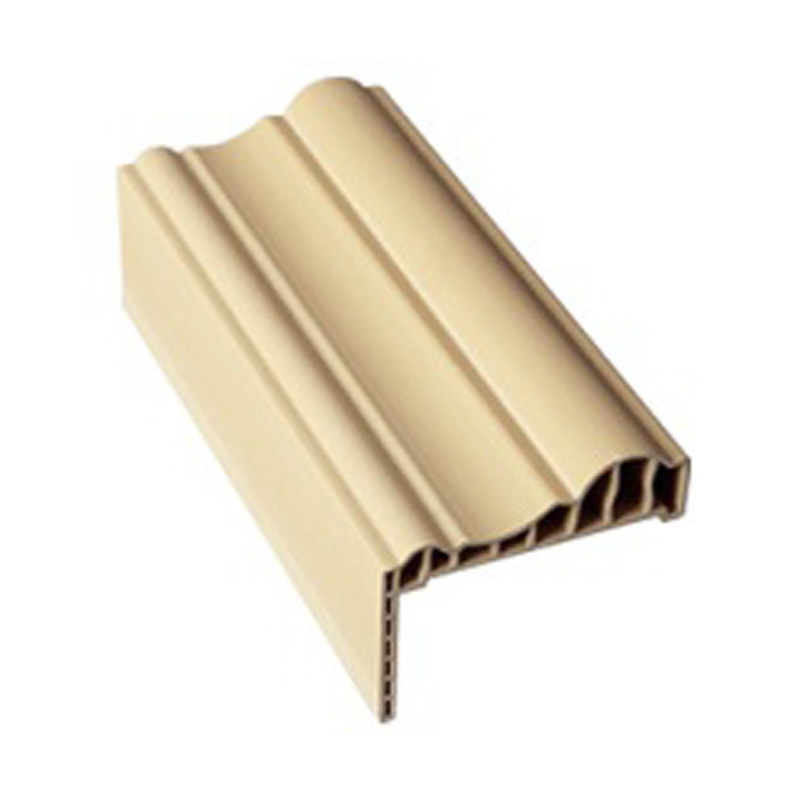
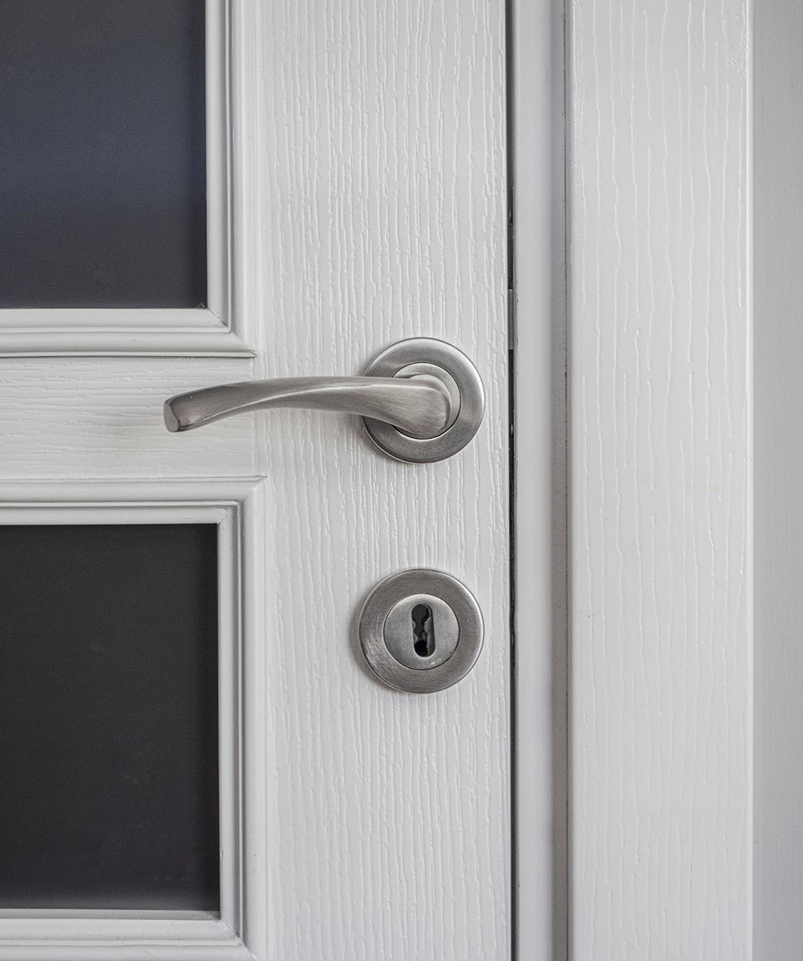
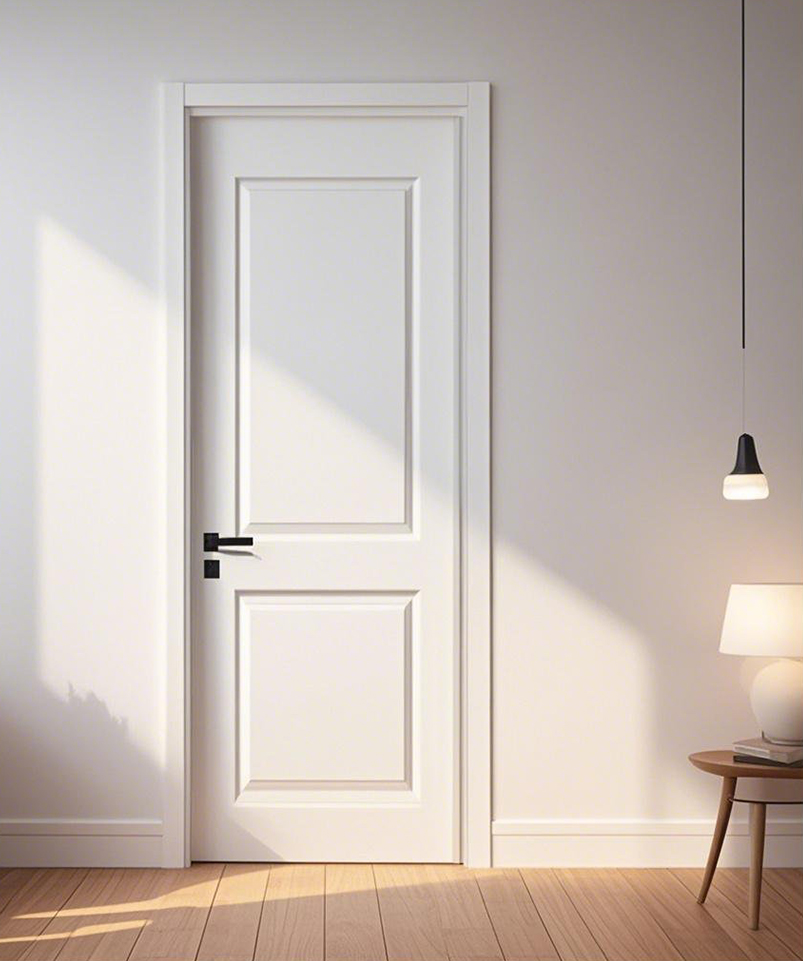
The Arc Depression WPC Door Frame and Line from Zhejiang Optima Door Industry Co., Ltd. is a specialized Wood-Plastic Composite (WPC) profile system designed for modern architectural applications. This line features a unique arc depression design, which provides a distinct aesthetic appeal and can enhance structural integration.






Copyright@ Zhejiang Optima Door Industry Co.,Ltd. All Rights Reserved.
PVC And WPC Doors Company
