
 English
 русский
 عربى
عربىSolid Wood Door Factory Selection Guide
The global market for solid wood doors continues to demonstrate robust growth, with the interior door segment alone projected to expand significantly, driven by residential and commercial construction. This sustained demand underscores the importance for architects, builders, and developers to carefully evaluate potential manufacturing partners. Selecting the right solid wood door factory is a critical decision that impacts not only the aesthetic appeal of a project but also its long-term durability and value. A thorough assessment process, focusing on material integrity, construction methodology, and collaborative flexibility, is essential for ensuring a successful partnership with a solid wood door factory.
What Wood Species Distinguish a Quality Solid Wood Door Factory?
The selection of timber is the primary determinant of a door's character, performance, and longevity. A reputable solid wood door factory typically offers a portfolio of both domestic and imported species, each with distinct properties. Common choices include the pronounced grain of oak, the rich stability of walnut, and the versatile appeal of maple. Beyond aesthetics, technical considerations are paramount. pilot manufacturers provide detailed information on the hardness, dimensional stability, and recommended finish compatibility for each species. The industry is also witnessing a growing emphasis on sustainability, with many factories now sourcing a substantial portion of their timber, estimated at over 60% for some producers, from forests managed under certified sustainability programs. This commitment ensures both environmental responsibility and a consistent supply of high-quality raw materials for the solid wood door factory.
How Does Construction Methodology Define a Solid Wood Door Factory?
The transformation of raw lumber into a durable architectural element relies on advanced engineering and precise craftsmanship. The construction method is a key indicator of a solid wood door factory's capabilities. Modern factories utilize techniques like multi-layered laminated cores and integrated stile and rail systems, which are engineered to less warping and resist cracking in varying climatic conditions. The joinery details, whether traditional mortise-and-tenon or advanced corner-locking systems, reveal the factory's commitment to structural integrity. Furthermore, the finishing process, involving precise staining and the application of protective topcoats in controlled environments, is crucial for enhancing the wood's natural beauty and providing resistance to moisture and wear. These technical aspects collectively define the operational standards of a solid wood door factory.
What Customization and Service Capabilities Should a Solid Wood Door Factory Offer?
In today's market, the ability to provide tailored solutions is a defining characteristic of a predominant solid wood door factory. Customization extends beyond basic size adjustments to encompass intricate design elements, unique glass insertions, and specialized hardware preparations. The collaborative process often begins with comprehensive project consultations, enabling the solid wood door factory to understand specific architectural requirements. Many facilities now support this with digital tools for visualization and specification. The service framework also includes transparent project management, with some factories offering pre-finishing services that can reduce on-site labor costs by a significant margin. This end-to-end service orientation, from initial design support to reliable logistics, ensures that the final product aligns superbly with the client's vision and project timeline, solidifying the role of the solid wood door factory as a true project partner.
The selection of a solid wood door factory is a multifaceted process that balances material science, technical craftsmanship, and collaborative service. By conducting diligent evaluations across these key areas, industry professionals can establish partnerships that deliver not only beautiful and functional doors but also contribute to the overall success and sustainability of their construction projects.
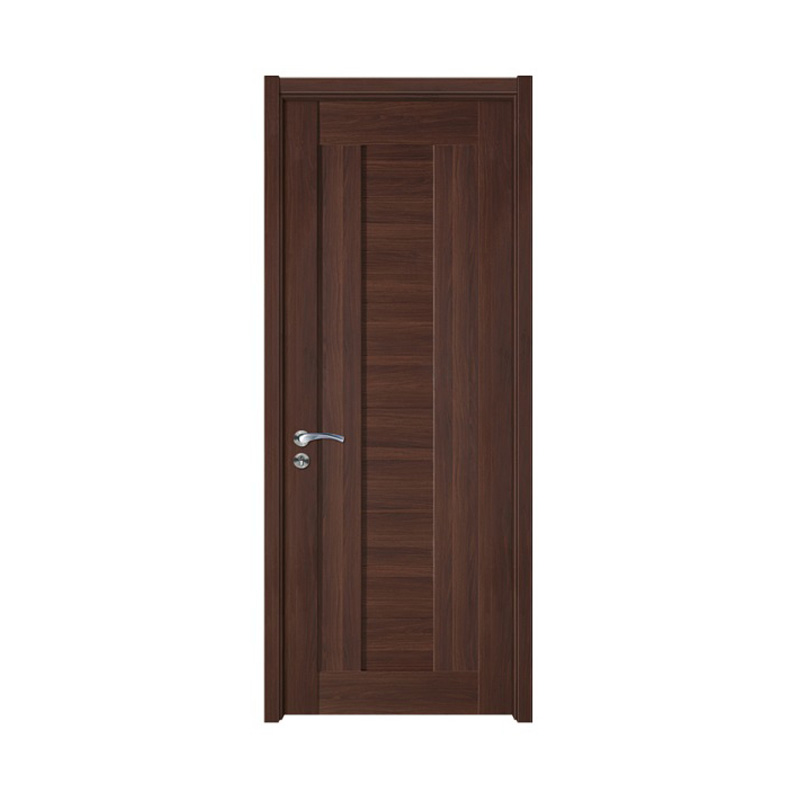
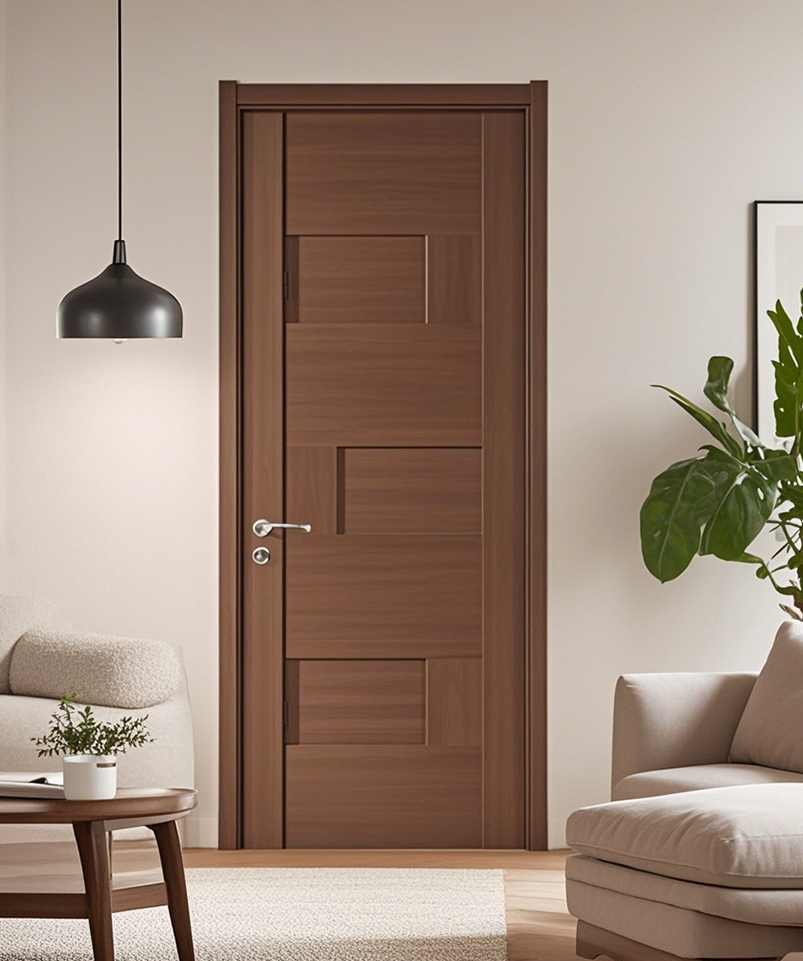
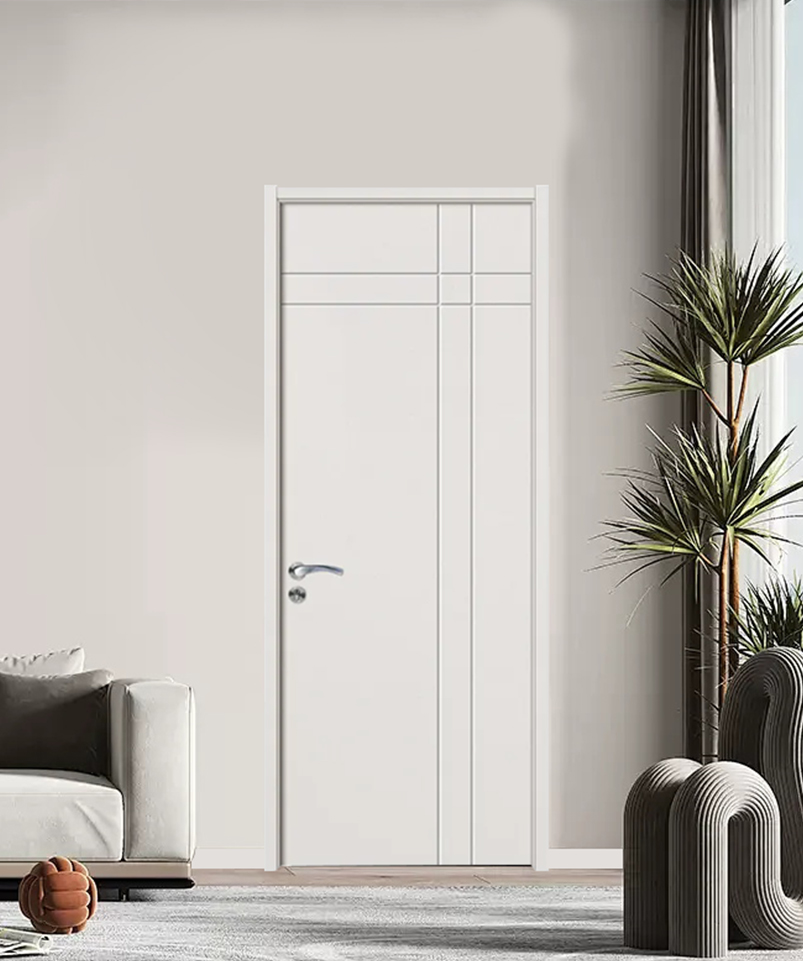
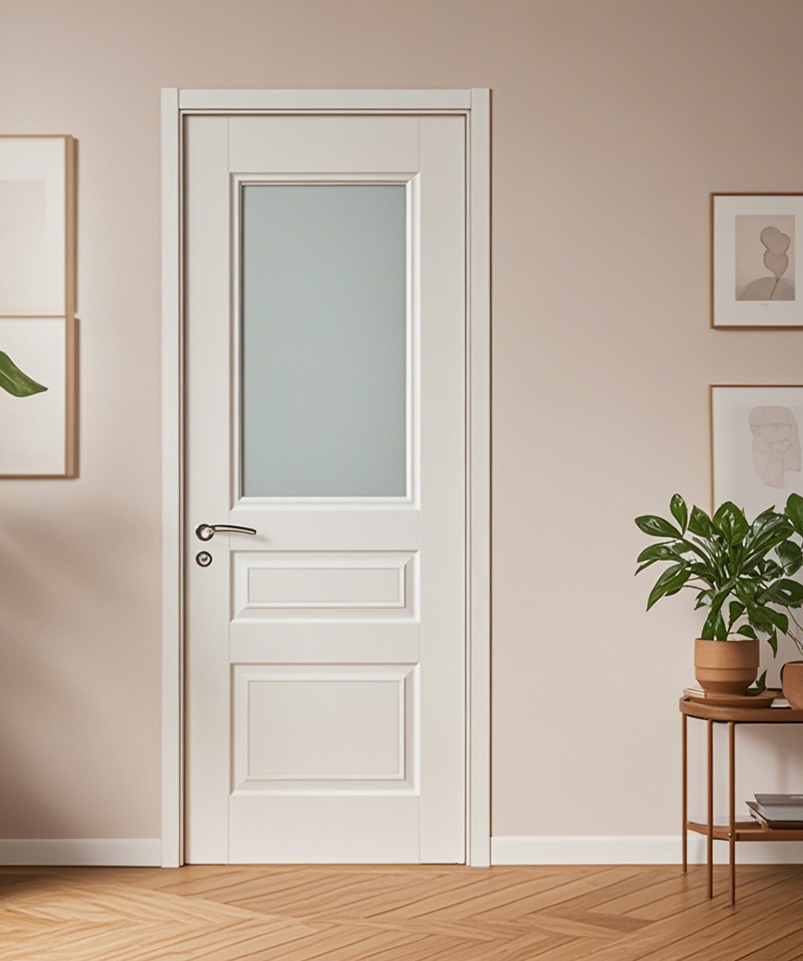
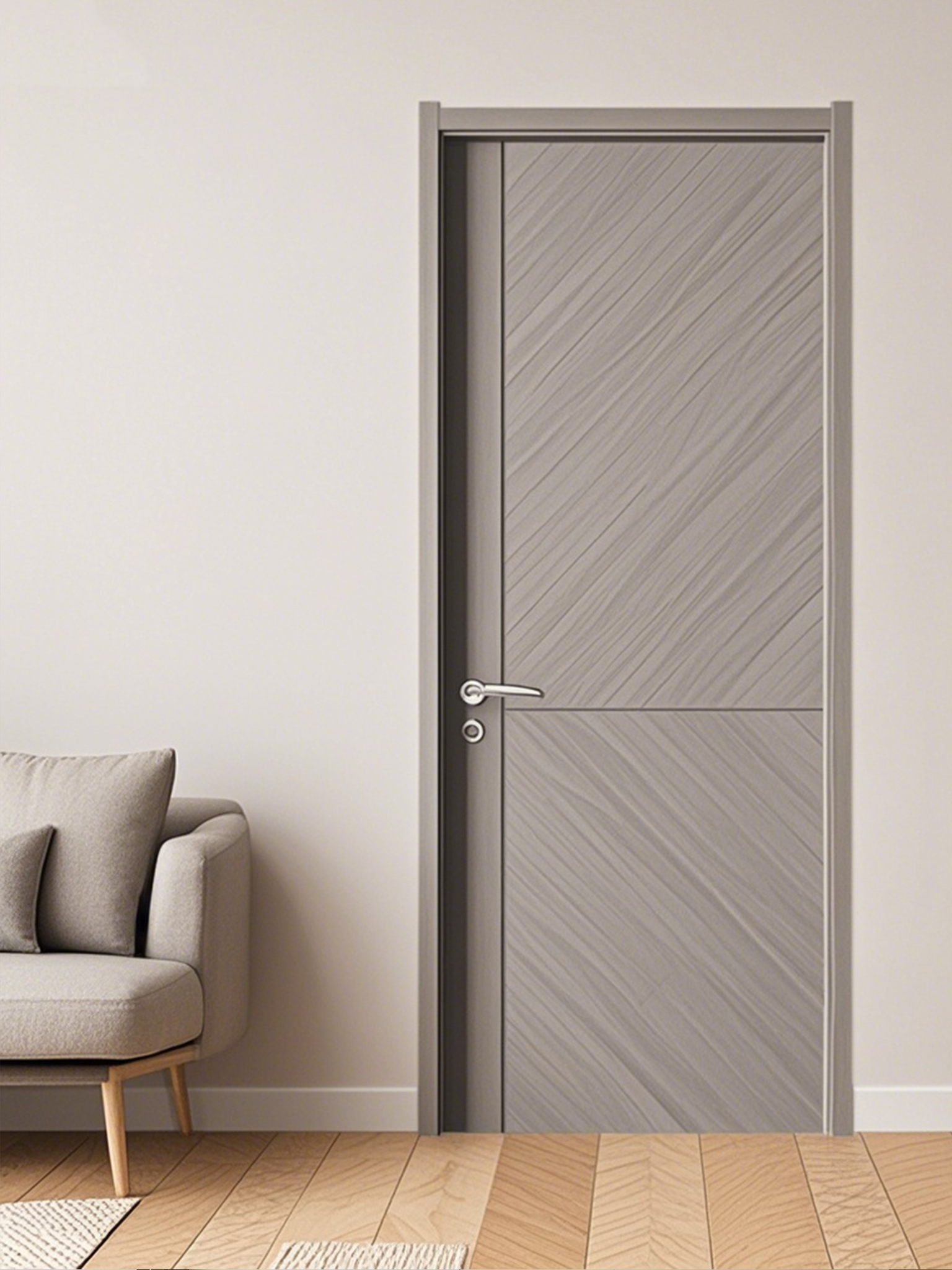
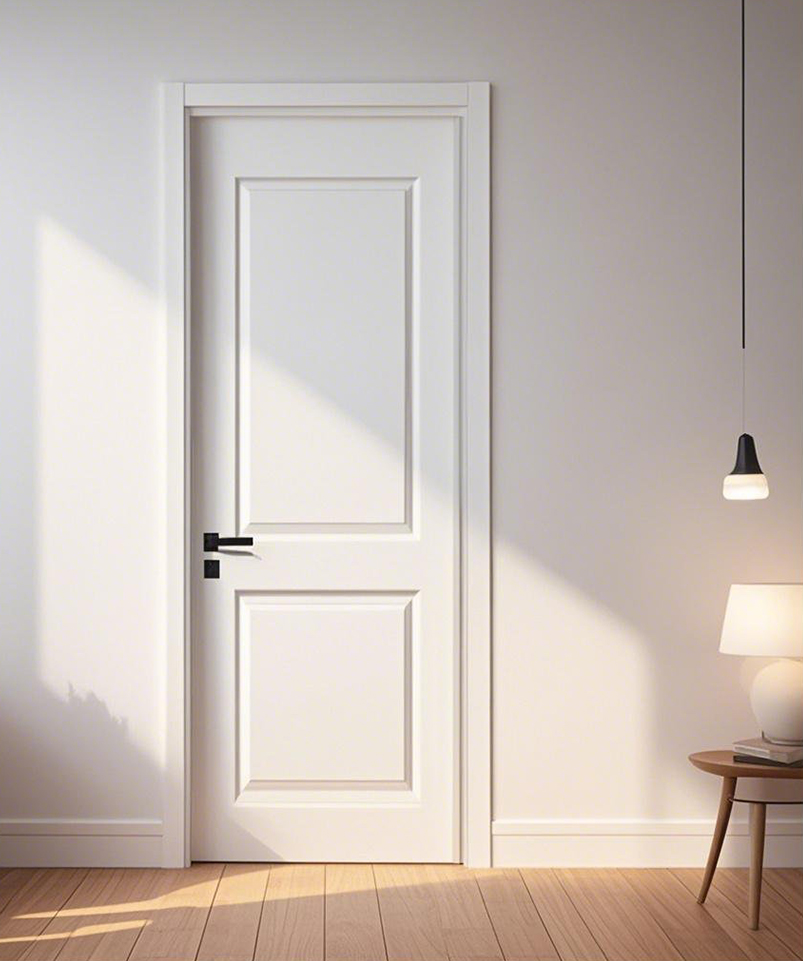
Zhejiang Optima Door Industry Co., Ltd. offers a high-quality Middle Depression PVC Panel Door that combines innovative design with exceptional durability. This interior door solution features a middle-density fiberboard core with laminated PVC surface, creating a superb balance between structural stability and moisture resistance. The door's depressed panel design adds elegant architectural detailing while maintaining easy-cleaning characteristics.



Copyright@ Zhejiang Optima Door Industry Co.,Ltd. All Rights Reserved.
PVC And WPC Doors Company
