
 English
 русский
 عربى
عربىPVC Door Factory Market Expands Globally
PVC door factories are undergoing continuous expansion, driven by the ever-growing demand for cost-effective, sustainable, and energy-efficient solutions; consequently, the number of PVC door manufacturing facilities has now surpassed previous years' figures, reaching a substantial scale.
What Defines the Manufacturing Core of PVC Door Factories?
PVC door factories use non-plastic polyvinyl chloride combined with reinforced steel, fittings and glass inserts to manufacture doors. The composite material provides thermal insulation, acoustic insulation and is popular with contractors and homeowners. The manufacturing process begins with profile extrusion, where PVC resins are mixed with stabilizers and modifiers and pressed with a hard die to create a single or multi-layer profile. Modern PVC door factories operate on a large scale and streamline the process from extraction to manufacturing, reducing third-party liability and increasing quality control. Extraction involves the use of 60 to 700 kg of oil for each extraction, followed by vacuum calibration units that ensure efficiency and effectiveness. Accuracy within ±0.3 mm for V-port opening for profile grinding and ±0.5 mm for grinding is required. The hinges are then installed, with quality PVC door factories removing the rubber seal during the installation process rather than using only one type of hinge on bare panels. This approach further enhances the quality of the door panels.
What Technical Capabilities and Quality Standards Do PVC Door Factories Maintain?
Quality control in the PVC door factory requires rigorous testing in a variety of applications, including air resistance, water resistance, air permeability, sound resistance, fire resistance and corrosion resistance. PVC pipes are more susceptible to corrosion because the white colors are highly molten - temperatures can reach 78 degrees in the summer and 44 degrees in the winter. To achieve this level, PVC door factories must apply more than 30 milliliters of coating throughout. with a up to thickness of 1.5 mm, and the thickness must be more than 450 mm. Professional PVC door factories offer their products with a mix of colors, pure materials such as wood texture or matte surfaces, and glass or polycarbonate panels. An increasingly diverse range of varieties offers consumers more choices.
What Market Dynamics and Regional Trends Shape PVC Door Factory Operations?
The residential sector is a major user of PVC doors due to the increasing demand from energy-efficient and affordable housing projects. The future of partitioning is shifting from one-size-fits-all partitions to system-wide partitions, where multi-level, three-way windows, high glazing, high ceilings and high-performance materials will become the norm. Manufacturers and suppliers evaluating PVC door factories are looking for a product rate of over 95%, a response time of under three hours and a recycling rate of over 30%.
The PVC door factory will be driven by automation, innovation and sustainability. These features will be essential for the global building materials supply chain.
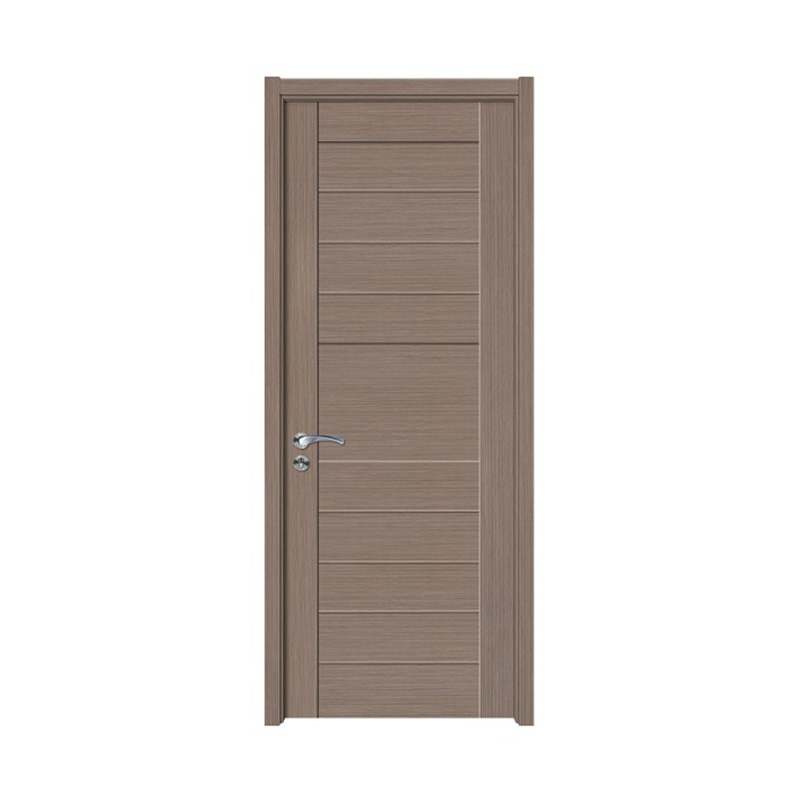
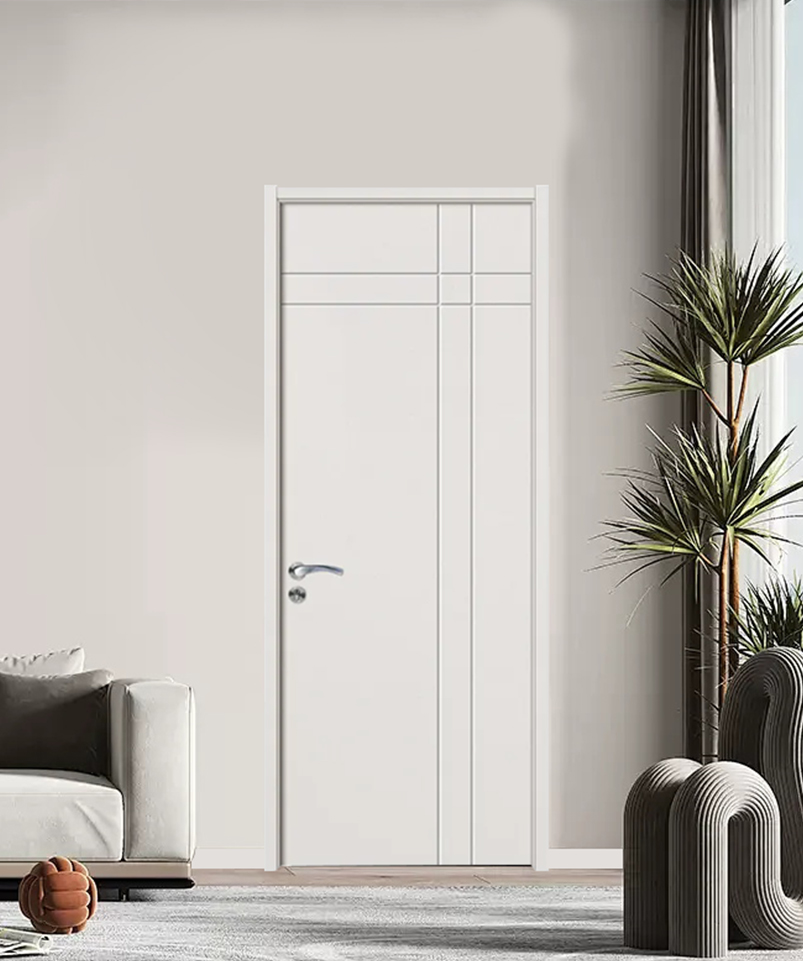
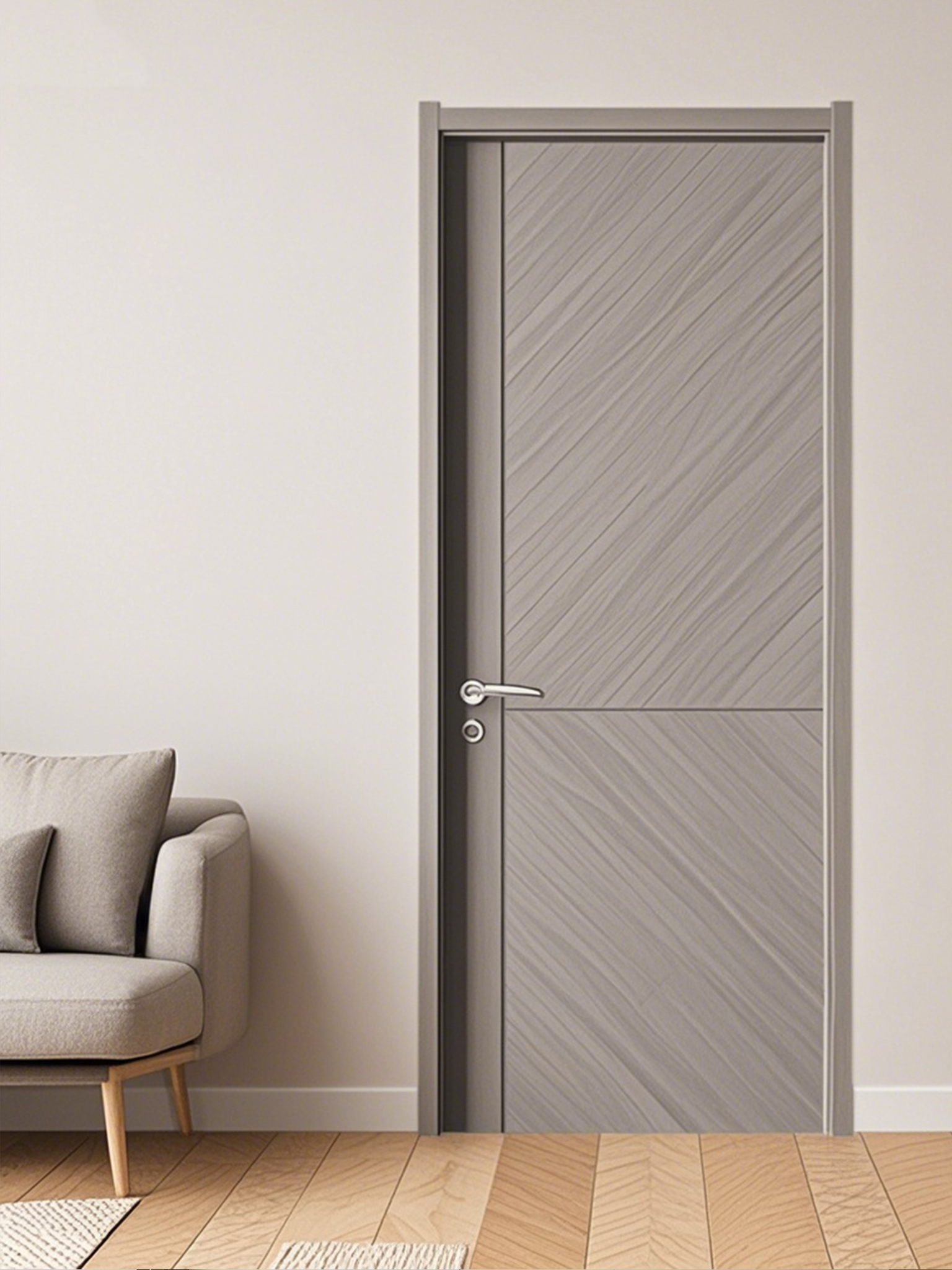
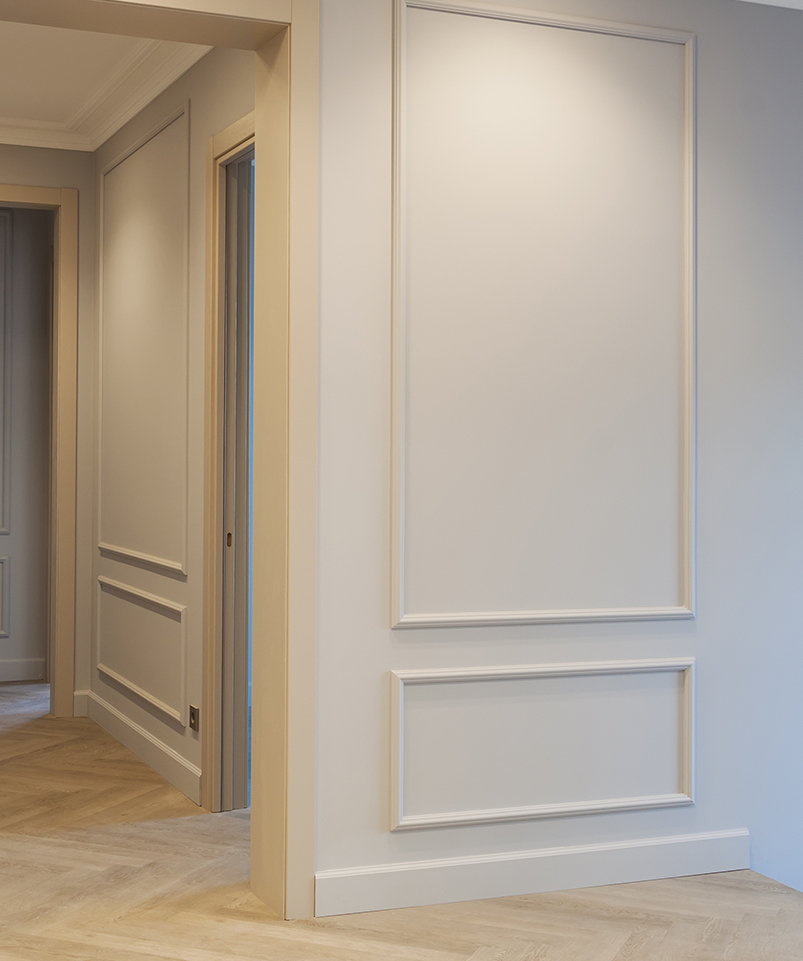
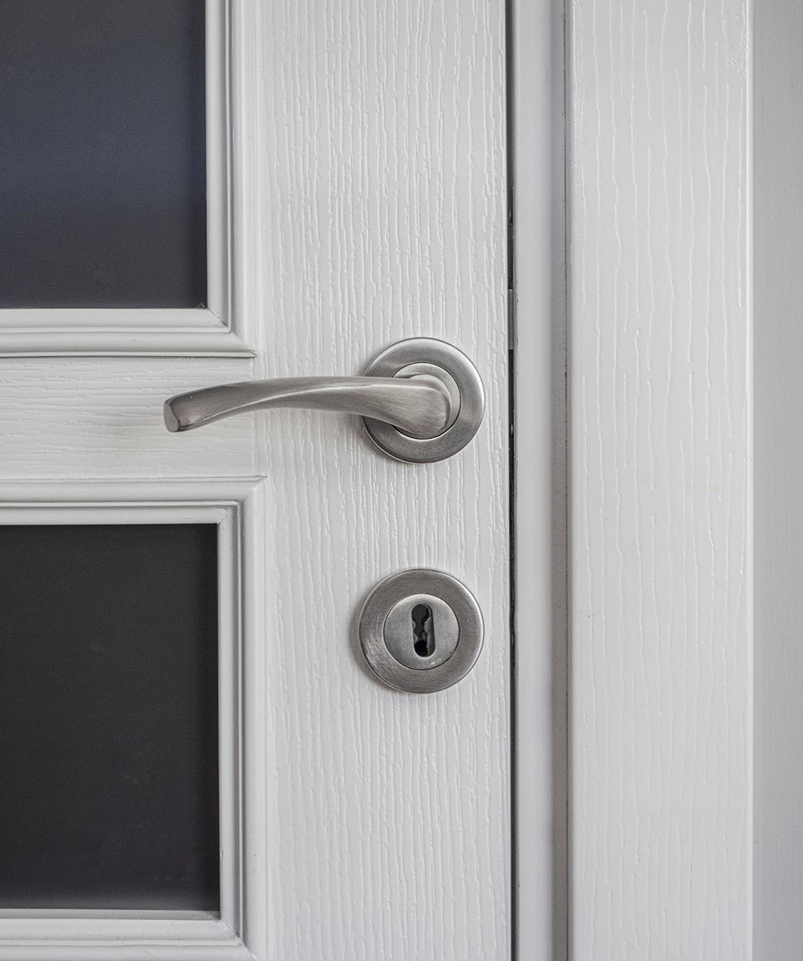
The Modern Layering PVC Panel Door from Zhejiang Optima Door Industry Co., Ltd. combines contemporary design with practical functionality for residential and commercial interiors. Crafted from high-quality PVC material, it offers outstanding resistance to moisture, warping, and scratches, making it suitable for bathrooms, kitchens, and high-traffic areas.






Copyright@ Zhejiang Optima Door Industry Co.,Ltd. All Rights Reserved.
PVC And WPC Doors Company
