
 English
 русский
 عربى
Modern Black Barn Door Surface Consistency in Batch Production
Black finishes can make small differences between door panels more noticeable, particularly when several doors are installed in the same building. A slight change in shade, gloss, or surface texture may stand out under daylight or overhead lighting. For manufacturers supplying residential developments, renovation projects, and interior door distributors, producing a Modern Black Barn Door requires attention to finish consistency as well as panel construction.
Why Black Surface Finishes Need Consistent Control
A black door may appear uniform under one lighting condition but show visible variations when viewed from another angle. Differences in coating thickness, surface preparation, application conditions, or curing can affect the finished appearance. Dust particles, uneven coverage, scratches, and small surface marks may also become easier to notice against a dark finish.
The material beneath the coating matters too. If the panel surface is uneven or contains defects that were not identified before finishing, the final coating may not conceal them. Sanding and surface preparation should therefore be controlled before the finishing stage begins. Where MDF panels are used, the condition of the edges and the consistency of the prepared surface deserve particular attention because these areas can absorb finishing materials differently from the panel face.
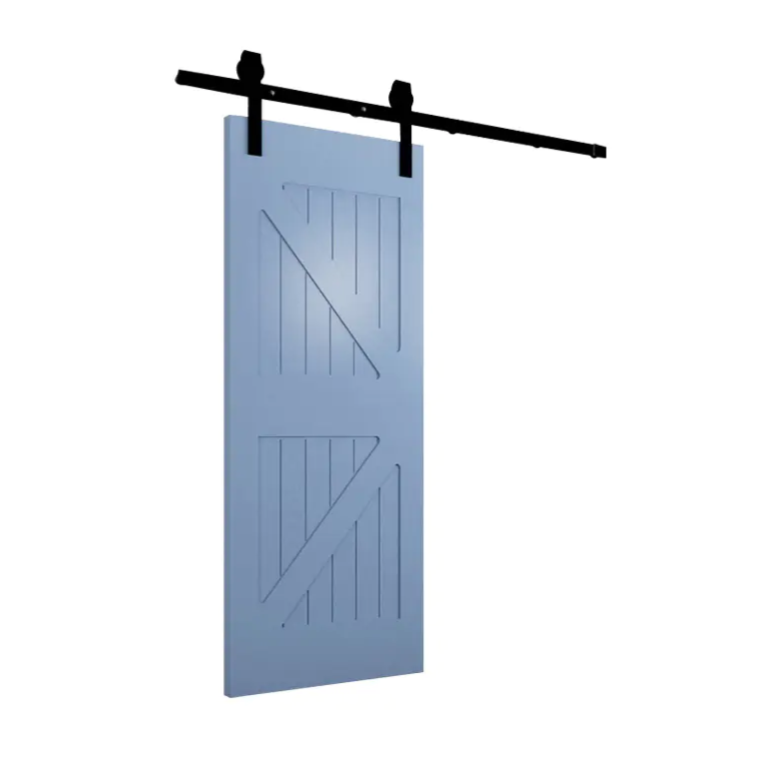
For a Modern Black Barn Door, the goal is not simply to apply black paint or a dark coating. The process needs to produce a repeatable appearance across panels manufactured in different batches while maintaining the specified finish and surface condition.
Comparing Panels During Production
Manufacturers can reduce visible variation by defining finish requirements before production. Color reference samples, approved gloss levels, and agreed inspection conditions give production and quality teams a shared standard. Without these references, one inspector may accept a panel that another considers too glossy or too different in shade.
Lighting conditions should remain consistent when panels are compared. A controlled inspection area makes it easier to identify differences that might otherwise be overlooked under changing factory lighting. For projects requiring multiple doors, checking panels side by side can reveal variations that are less obvious when each door is inspected separately.
Inspection should also cover more than color. Surface marks, coating runs, pinholes, uneven edges, and damage around drilled or machined areas can affect the final appearance. A panel that meets dimensional requirements may still need rework if its finish does not meet the agreed specification.
For distributors purchasing a Modern Black Barn Door in volume, an approved sample and documented acceptance criteria can help reduce disagreements over appearance after delivery. The same standards should be applied consistently throughout production rather than only to the first finished panel.
Keeping Finish Quality Stable Across Orders
Repeat orders create another challenge. A project may require additional doors weeks or months after the initial shipment, and the new panels need to match the installed products as closely as practical. Differences in coating materials, application settings, surface preparation, or production conditions can affect the result.
Manufacturers can support repeatability by recording the approved finish specification, coating system, process settings, and inspection results. Where material batches change, comparison with the approved reference helps determine whether further adjustment is necessary before full production continues.
Packaging is also part of finish protection. Dark surfaces can show rubbing marks or scratches if panels move against one another during handling and transport. Suitable protective layers, stable packing arrangements, and checks before dispatch help reduce the chance of damage reaching the customer. Packaging methods should also avoid introducing pressure marks or abrasion at exposed edges.
These controls are particularly relevant when a Modern Black Barn Door is supplied for a multi-unit housing project, hotel renovation, or other installation where multiple panels will be viewed together. Consistent production records and clear inspection criteria make it easier to manage both initial deliveries and later replacement orders.
Reviewing the Finished Product Before Shipment
A final inspection should confirm that the door matches the approved requirements for appearance, dimensions, edge condition, and visible surface quality. Inspectors can check for scratches, coating irregularities, and obvious shade differences, while dimensional checks confirm that the panel corresponds to the order specification. Any identified defect should be assessed against the agreed acceptance criteria before packing.
For B2B buyers, the most useful quality information is specific to the supplied product: the finish specification, approved sample, inspection method, and applicable packaging requirements. These details provide a clearer basis for comparing suppliers than a general statement that every door receives quality inspection.
A Modern Black Barn Door is ultimately judged not only by its color but also by how consistently that color and surface finish are reproduced. When manufacturers control preparation, coating, inspection, and handling as connected stages, they can reduce avoidable variation and deliver panels with a more consistent appearance across a project. Specifying these requirements early also gives buyers a practical reference for evaluating each Modern Black Barn Door shipment and checking whether later batches remain consistent with the original approval.








Copyright@ Zhejiang Optima Door Industry Co.,Ltd. All Rights Reserved.
PVC And WPC Doors Company
